Get a Free Quote

Our representative will contact you soon.
Email
Mobile
Name
Company Name
Message
0/1000
jump rings-0

Home > 

jump rings

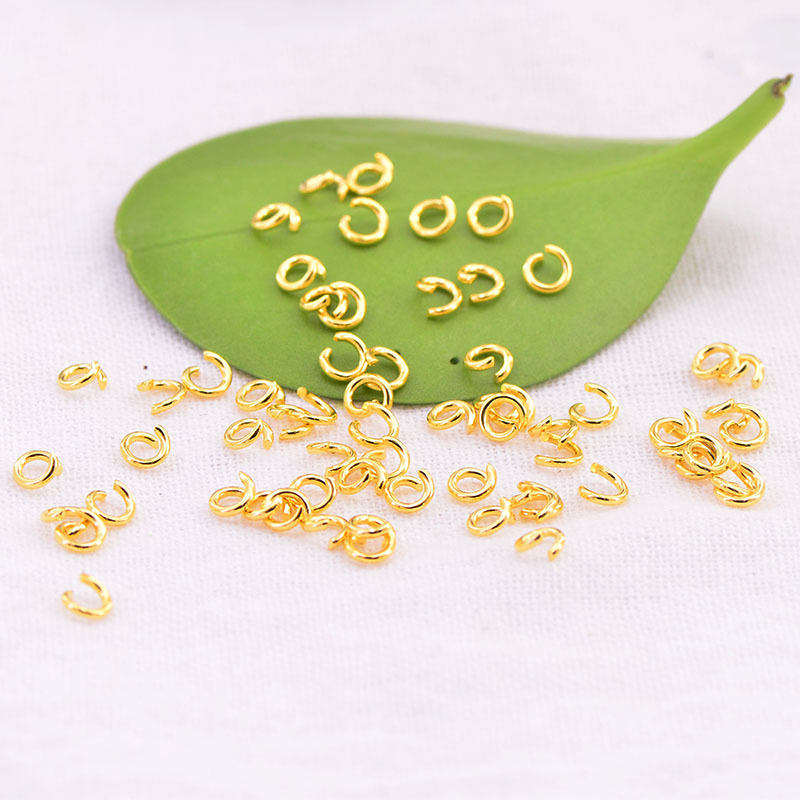
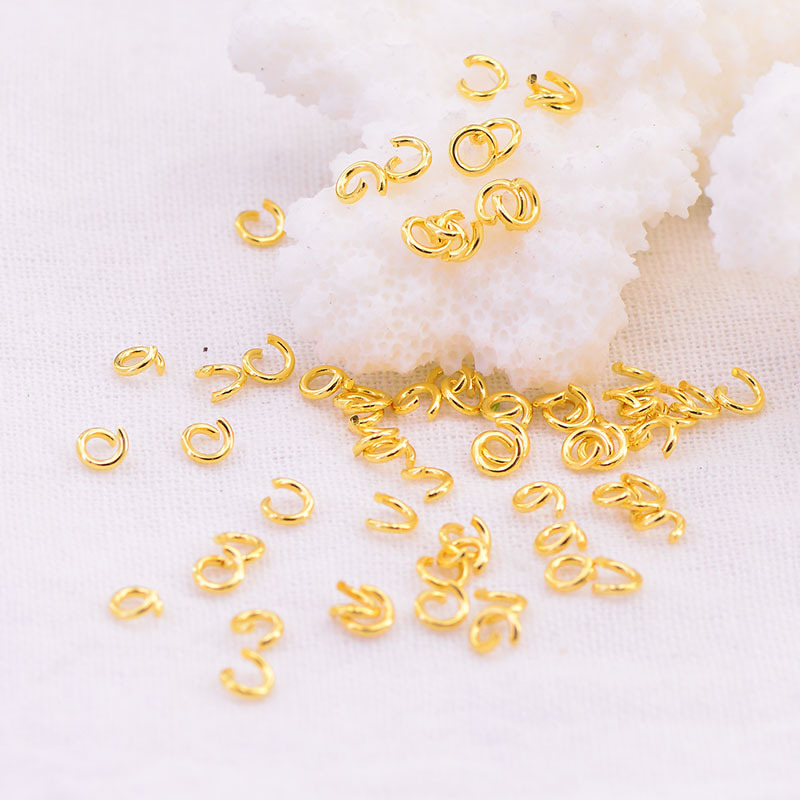
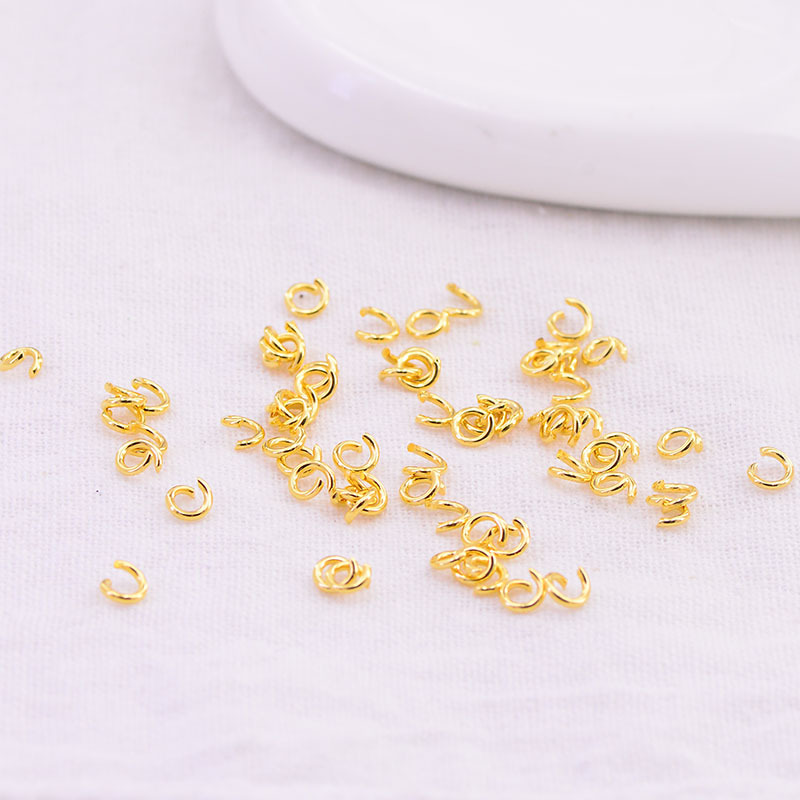
Jump rings are essential components widely used in jewelry making and various  industrial applications. These  small, circular  metal loops serve as connectors, playing a  crucial role in creating and  assembling jewelry pieces, crafts, or even mechanical assemblies.  For B2B buyers, selecting  the  right jump  rings can significantly impact  the quality  and durability  of the final product. , we  will explore the key  considerations when choosing wholesale jump rings, the  specifications that define high-quality products, and how to  evaluate  their quality effectively. We will also address common issues encountered with jump rings and provide guidance  on  selecting the appropriate type for different  applications.
Our Products

Key Specifications for High-Quality Jump Rings in Bulk Orders

Key Specifications for High-Quality Jump Rings in Bulk Orders

High-quality jump rings should  meet specific technical specifications to ensure their  performance in  various applications. Key specifications include:

Material Composition:  Ensure that the jump rings are made from  high-quality materials. For example, 316 stainless steel offers excellent corrosion resistance, while eco-friendly brass can provide a  unique aesthetic. Always verify the material against your project requirements.

Dimensions: The diameter and  gauge of the jump  rings should align with the  needs of your project. Standard sizes can vary, so it's beneficial to confirm the specific dimensions required for your assembly.

Finish: The surface finish can affect both the appearance and functionality  of jump rings. A polished finish may be preferred for jewelry, while a  matte finish might  be suitable for industrial applications.

Load Capacity:  Depending on the intended use, it is crucial to consider the load-bearing capacity of the jump rings. This information can typically be provided by the manufacturer and should be aligned  with the anticipated stress levels in your application.

Customizability: If your project requires specific dimensions or finishes,  inquire  about the manufacturer’s customization capabilities.  This  can include variations in size, material, and finish.

Understanding these specifications  will help you make informed decisions when sourcing  jump rings in bulk.
How to Evaluate the Quality of Jump Rings for Manufacturing Needs

How to Evaluate the Quality of Jump Rings for Manufacturing Needs

Evaluating the quality of jump rings before production is essential to avoid costly mistakes and ensure a successful final product. Here are some steps to follow:

Request Samples: Always ask for samples  before placing a  bulk  order. This allows you to inspect the jump rings  for dimensions, finish, and overall quality. It’s also a good  opportunity to test the rings under actual usage conditions.

Conduct Visual Inspections: Look for any imperfections, such as rough edges, inconsistent sizing, or discoloration. High-quality jump rings should have a uniform appearance with no visible defects.

Test Load  Capacity: If applicable, conduct tests to determine the strength and load capacity of the jump rings. This is  particularly important for industrial applications where failure could lead to significant issues.


Verify Certifications: Check  that the manufacturer provides relevant certifications, such as ISO9001, CE, REACH, and RoHS compliance. These documents ensure  that the products meet  international quality and safety standards.

Review Quality Control Processes: Inquire about  the manufacturer’s quality control procedures. A reputable supplier will have rigorous testing and inspection  protocols to ensure that every batch of  jump rings  meets  specified  standards.

By following these steps, you can  significantly reduce the risk of quality issues  during your manufacturing process.

&nbsp
Common Problems with Jump Rings and Effective Solutions

Common Problems with Jump Rings and Effective Solutions

Despite their simplicity, jump  rings can present several challenges during production and assembly. Here are some common  problems and their solutions:

Misalignment: Jump rings can become misaligned during assembly, leading to a weak connection. To prevent this, ensure that the gauge and diameter of the rings match the components being assembled. Additionally, consider using jump  rings with a stronger closure mechanism to maintain alignment.

Corrosion: In humid or salty environments, jump  rings  made from inferior materials can  corrode, affecting both  appearance and  function. Opt for high-quality materials like 316 stainless  steel, which offers superior  corrosion resistance.

Weak Joints: If jump rings are not properly  closed after assembly, they may open under stress. Implement a  quality  control step where each jump ring is visually inspected and tested before final assembly.  Using pliers to ensure a tight closure can help mitigate this issue.

Inconsistent Sizing: Variability in jump ring sizes can  lead to  assembly problems. Partner with a trusted manufacturer  that adheres  to strict  quality control measures to ensure consistency across batches.

Addressing  these common problems proactively can save time and resources in the production process.

Choosing the Right Type of Jump Rings for Your Specific Applications

Selecting  the  appropriate type of jump ring is crucial for the success of your projects. Here are  some considerations for different applications:

Jewelry Making:  For jewelry,  aesthetics are key. Consider using polished stainless steel or eco-friendly brass jump rings that complement the overall design.  The size and gauge should be compatible with  the other components, such as chains or clasps.

Technical Assemblies: In industrial applications, strength and durability  are paramount. Stainless  steel jump  rings are often preferred for their load-bearing capabilities and resistance to wear. Ensure that the specifications align with the operational conditions,  including temperature and chemical exposure.

Craft Projects: If the jump rings are intended  for crafts, you may have more  flexibility  in material choice. However, ensure they are appropriate for the intended use—whether decorative or structural.


Ultimately, understanding the specific  demands of your application will guide you in selecting the right jump rings, enhancing both functionality and aesthetics.

By considering these  factors, B2B buyers can make informed  decisions when  sourcing jump rings, ensuring their projects meet the  required standards of quality and performance.

What to Consider When Choosing Wholesale Jump Rings for Your Projects

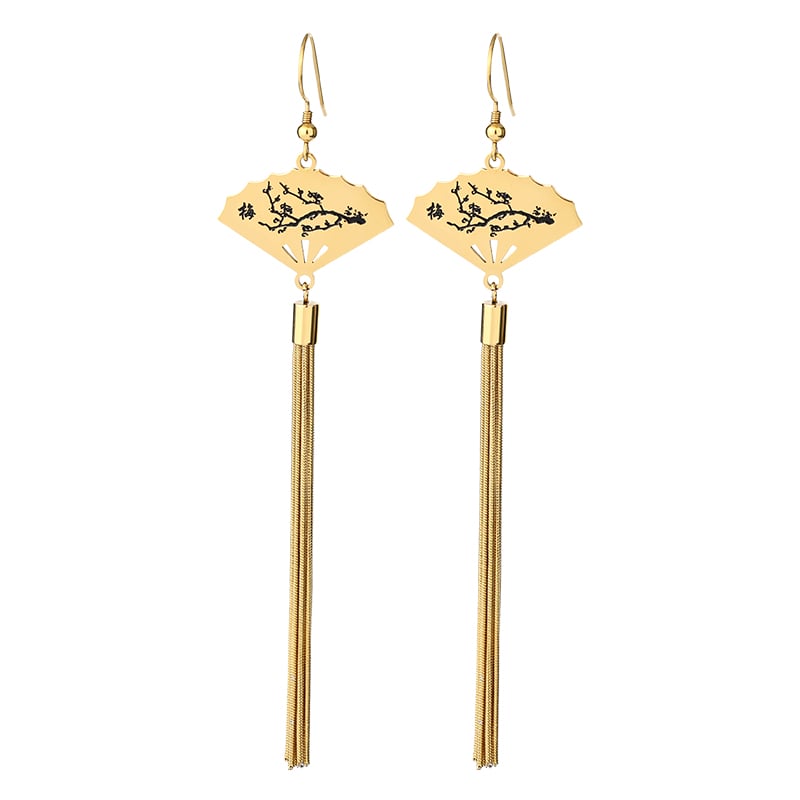
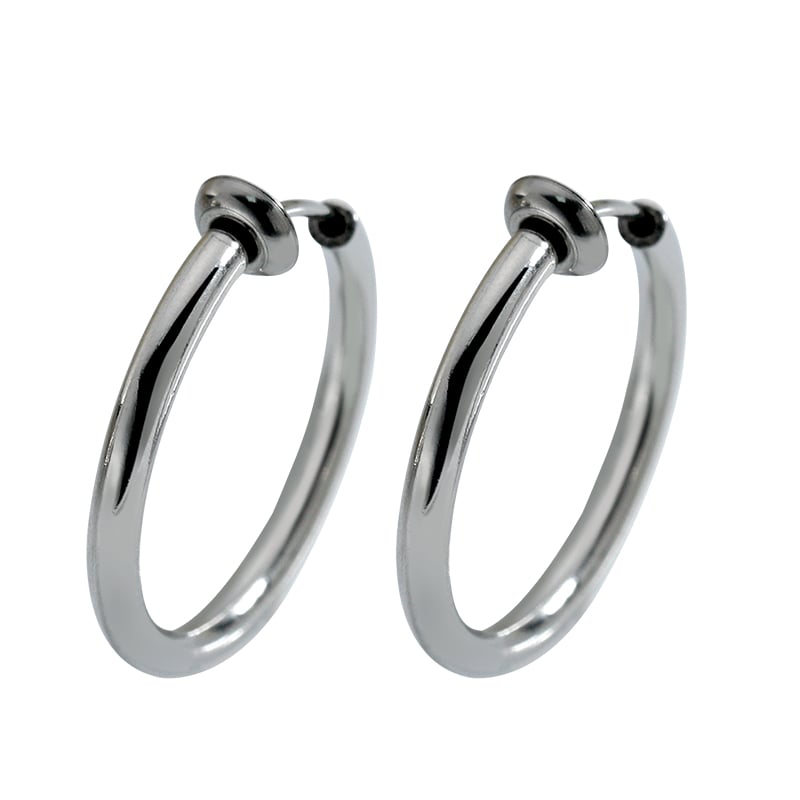
When  selecting wholesale jump rings, several factors come  into play. First  and foremost, consider the material.  Common options include stainless steel, brass, and other alloys, each offering distinct  properties  such as corrosion resistance, strength, and aesthetic  appeal. For instance, 316 stainless steel is a  popular choice for its durability and resistance  to tarnishing, making it  ideal for jewelry that will be worn regularly. If you're looking for additional options, consider using Copper Waterdrop Earring Clip – Hinged Converter for Non-Pierced Ears as a functional and stylish alternative.

Next,  assess the size and gauge of the jump rings. The diameter and thickness will determine their compatibility with other components in your project. It is advisable to have a clear understanding of the specifications of the other  parts, such  as clasps or chains, to ensure a  proper fit. Additionally, consider the intended application—whether for decorative jewelry or functional items will influence your choice of jump rings.

Lastly, evaluate  the supplier's production capabilities and certifications. Look for manufacturers  with ISO9001 and other relevant certifications, as these  indicate a commitment to quality management and reliable production processes.  A supplier like  Dongguan Rongsheng Jewelry Co.,  Ltd, which has extensive experience and a range of certifications, can provide reassurance regarding product quality. You might also explore options like Gold Plated CZ Ear Hook Earrings – 17+ Dangle Designs Wholesale Collection for added variety.

Frequently Asked Questions

What materials are your jump rings made of?

Our jump rings are made from 316 stainless steel and eco-friendly brass. We can also produce resin-coated or silicone variants on request to meet design and durability needs.
Yes. 316 stainless steel and tested brass formulations are low-allergy. We follow REACH and RoHS standards and hold ISO9001 and CE certifications for safety and quality.
Yes. Our in-house factory offers flexible OEM/ODM services to customize diameters, gauges, plating, textures, and finishes to your specifications.
We offer fast sampling with low minimums. Typical sample lead time is under 7 days; bulk production lead time depends on order size and complexity—contact us for exact timelines.
Yes. We use advanced equipment and in-house QC processes, and can provide test reports and compliance documents (ISO9001, CE, REACH, RoHS) upon request.

Get a Free Quote

Our representative will contact you soon.
Email
Mobile
Name
Company Name
Message
0/1000

Related product categories