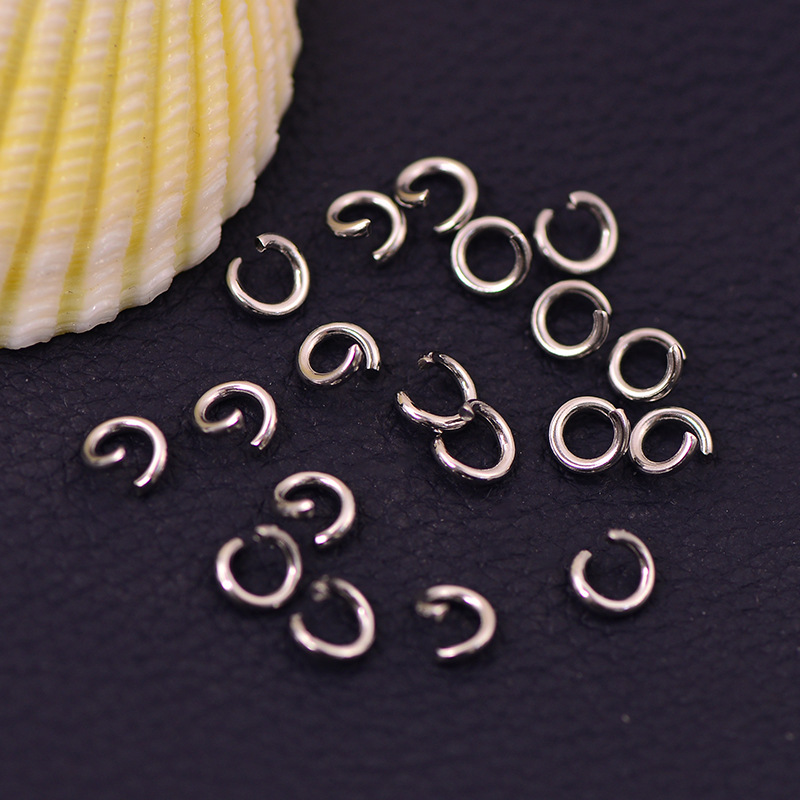
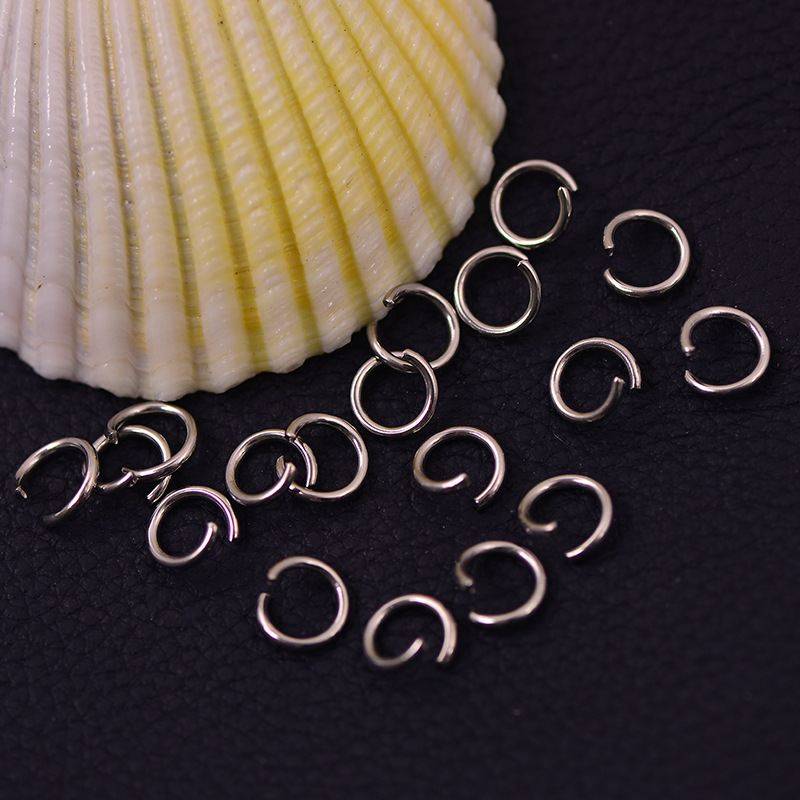
Jump rings for jewelry are essential components used in the creation and assembly of various jewelry pieces, from necklaces to bracelets. For B2B buyers, understanding the specifications, quality, and installation of jump rings is crucial for ensuring a successful production process. This article will address the key aspects that purchasing managers, product managers, and distributors should consider when selecting jump rings, including material options, installation techniques, and common issues that may arise.
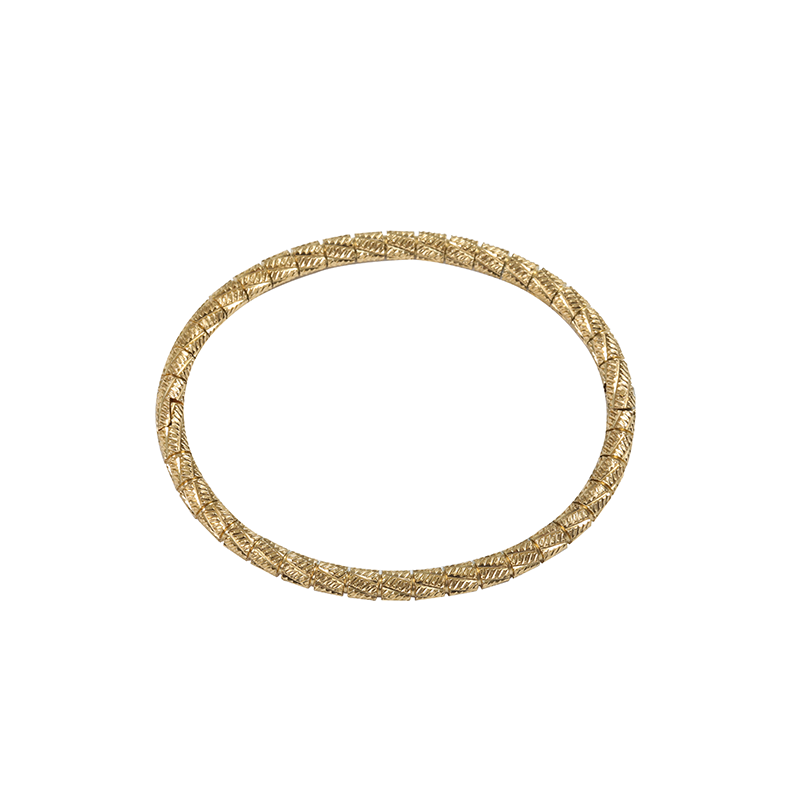
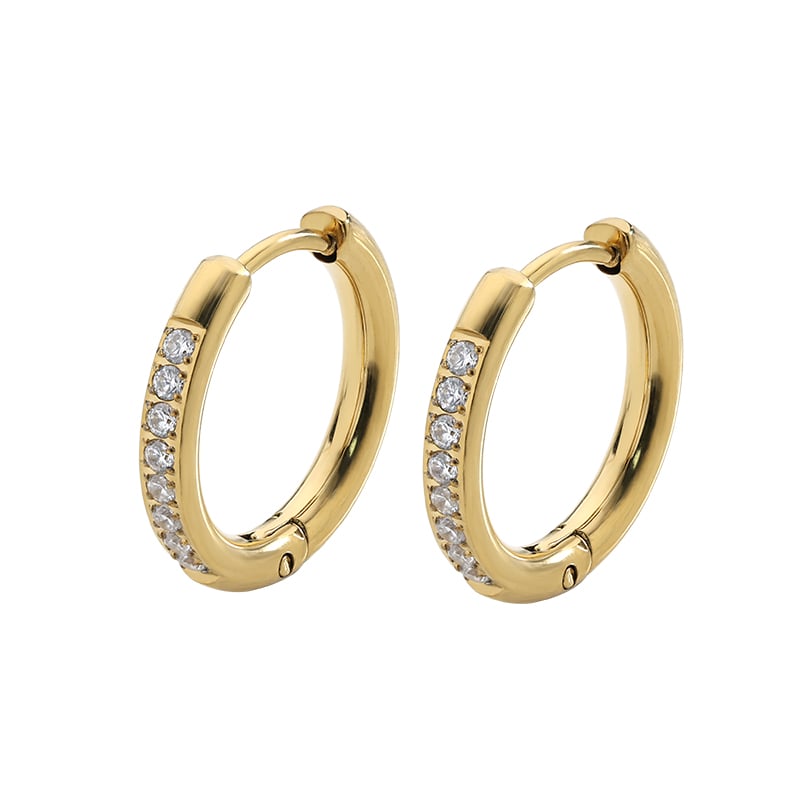
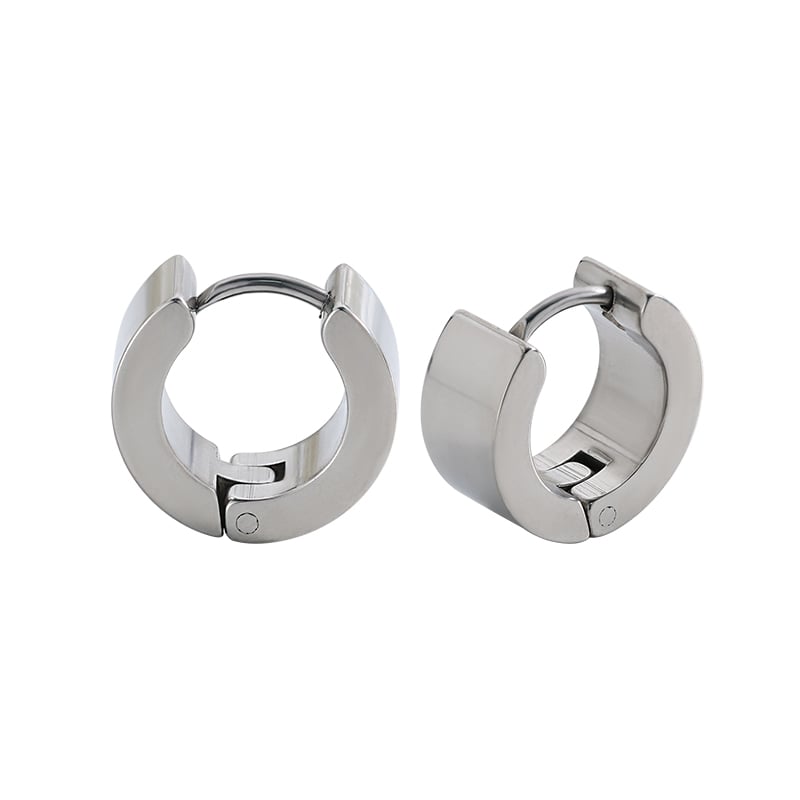
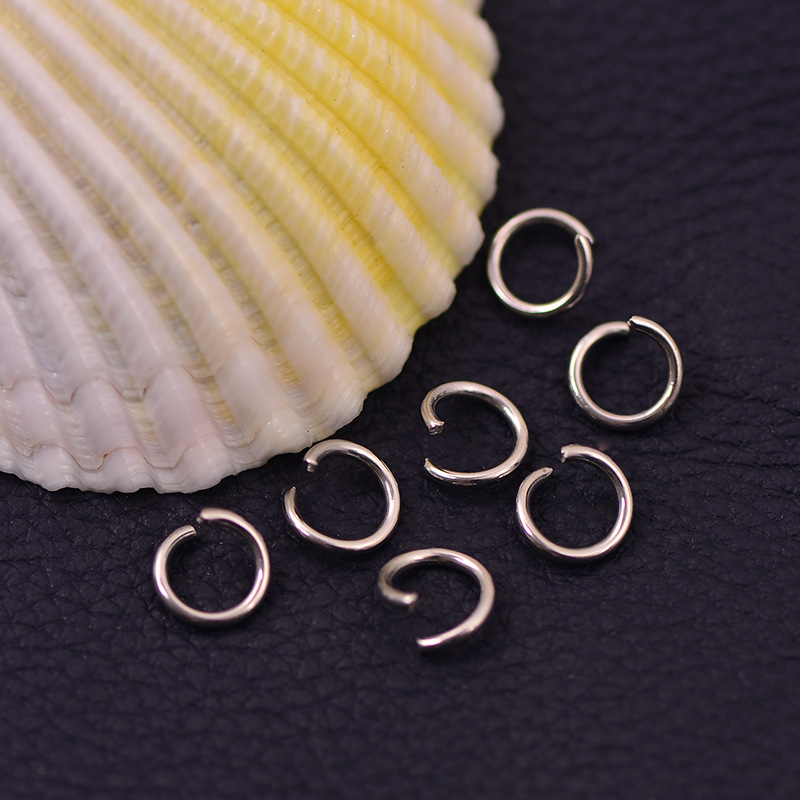
How to Choose Quality Jump Rings for Wholesale Jewelry Supplies
When sourcing jump rings, buyers should prioritize quality to avoid issues during production. Here are some key factors to consider:
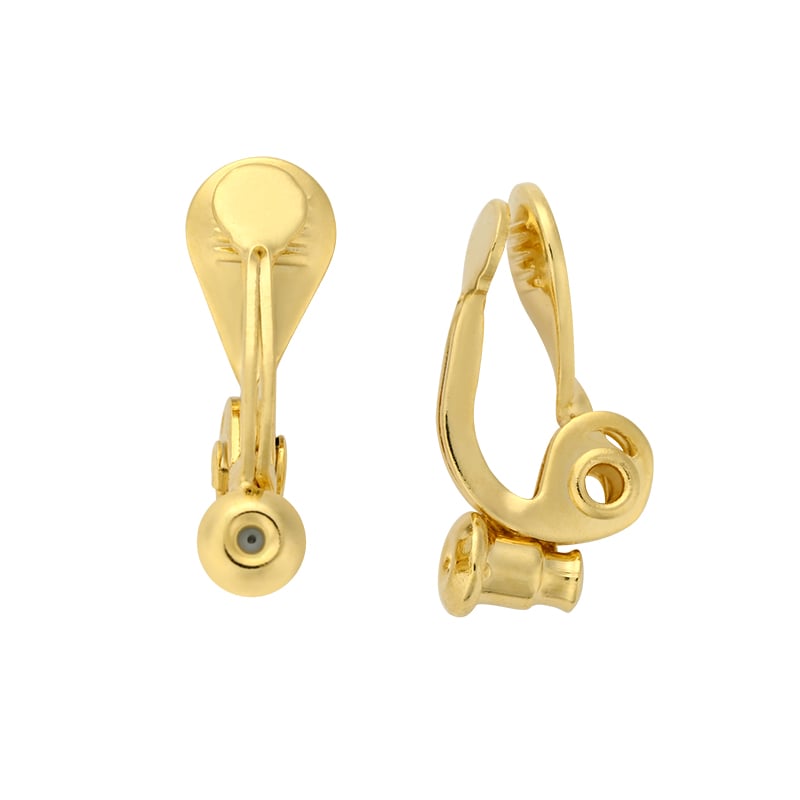
Material Selection: Jump rings can be made from various materials, including stainless steel, brass, and other metals. Stainless steel is known for its corrosion resistance and durability, making it a popular choice for jewelry intended for everyday wear. Brass can be more cost-effective but may require additional plating to prevent tarnishing. Certifications: Look for suppliers that hold relevant certifications such as ISO9001, which indicates adherence to quality management systems. Certifications like REACH and RoHS demonstrate compliance with environmental regulations, which can be crucial for buyers concerned about sustainability. Production Consistency: Request samples or conduct quality inspections to ensure that the jump rings meet your specifications consistently. Variations in size or finish can lead to assembly issues and affect the final product quality.By focusing on these aspects, buyers can ensure they are choosing high-quality jump rings that will perform well in their jewelry applications. For instance, Copper Bullet Earring Backs – Anti-Drop Disc Design, 6mm & 8mm can enhance the functionality of the jewelry.