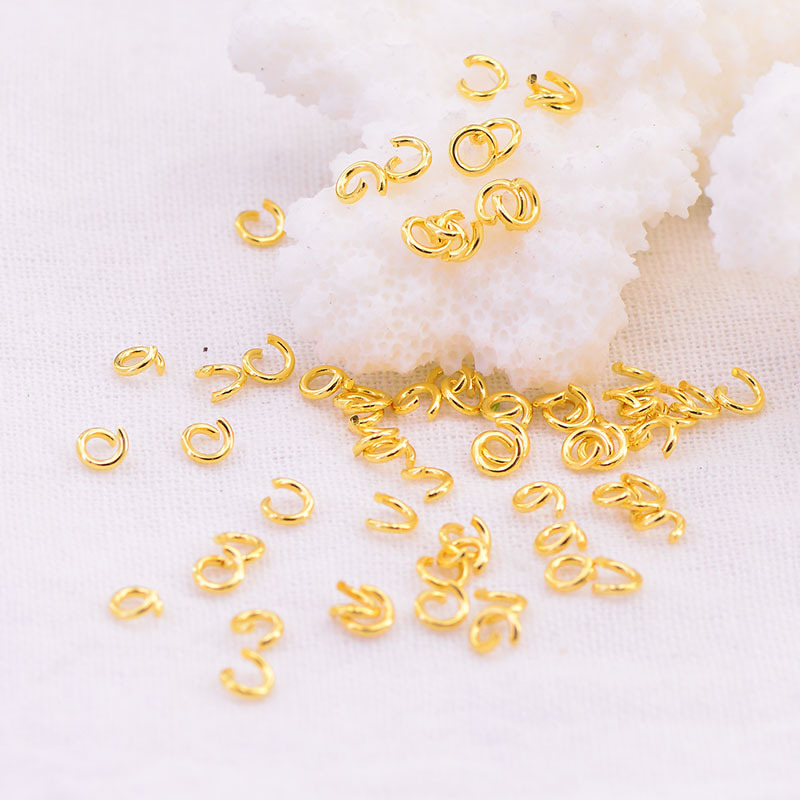
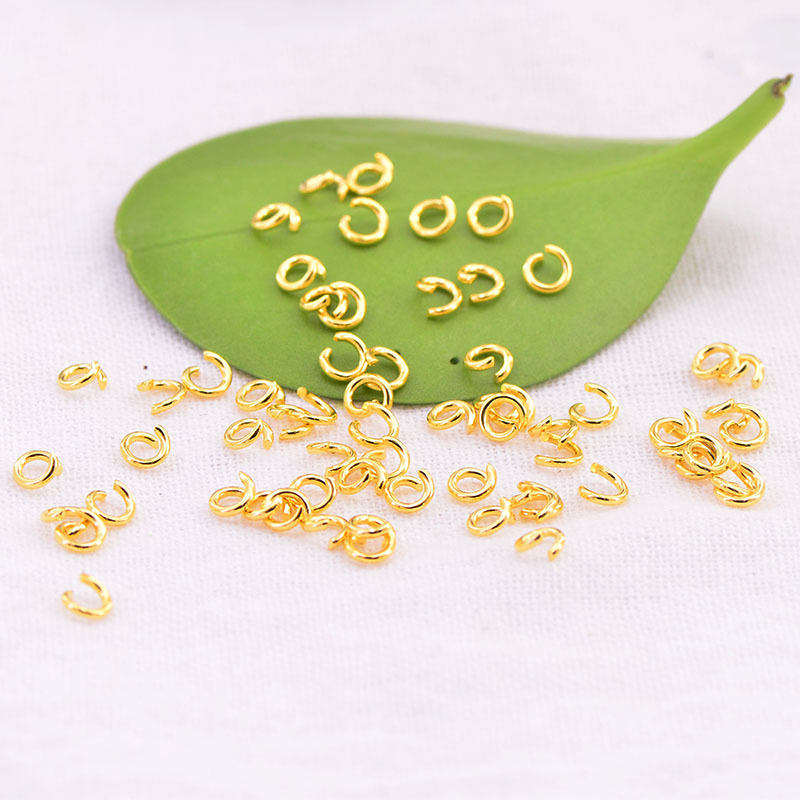
Jump rings for pendants are essential components in jewelry making, designed to connect various elements like chains, charms, and pendants. As a purchasing manager or jewelry manufacturer, understanding the different types of jump rings, their quality, and their specifications is crucial for ensuring your final product meets market demands. This article will guide you through choosing the right jump ring for your pendant manufacturing needs, evaluating quality, understanding technical specifications, considering cost factors, and providing installation guidance.
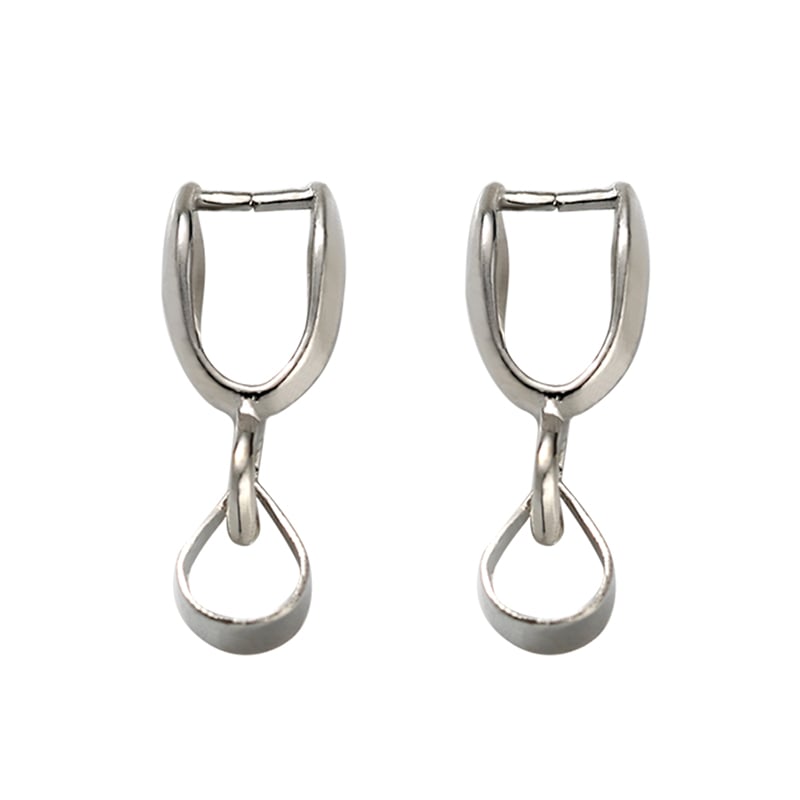
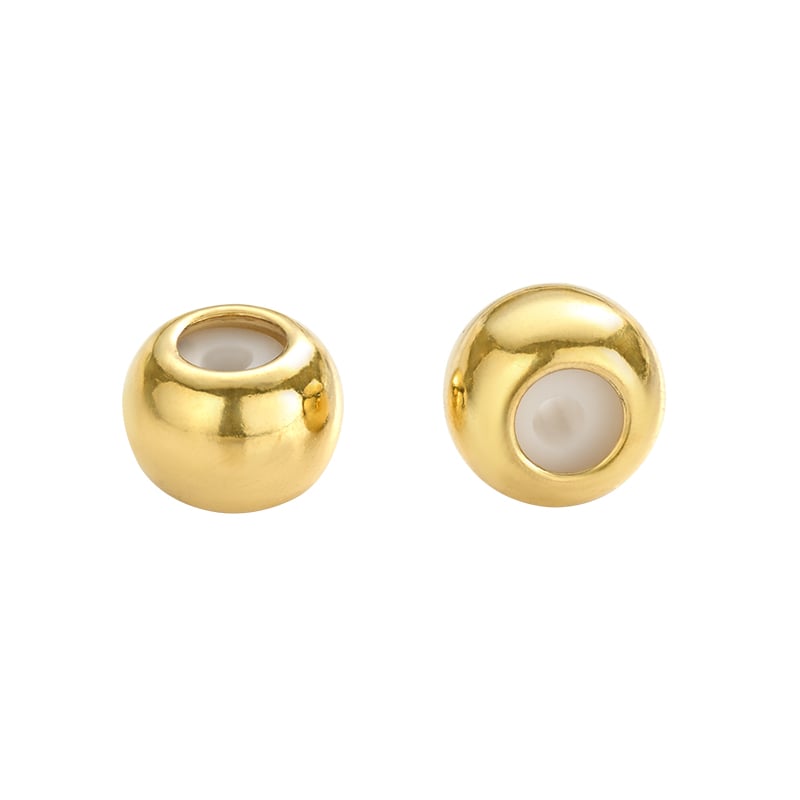
How to Evaluate the Quality of Jump Rings for Your Projects
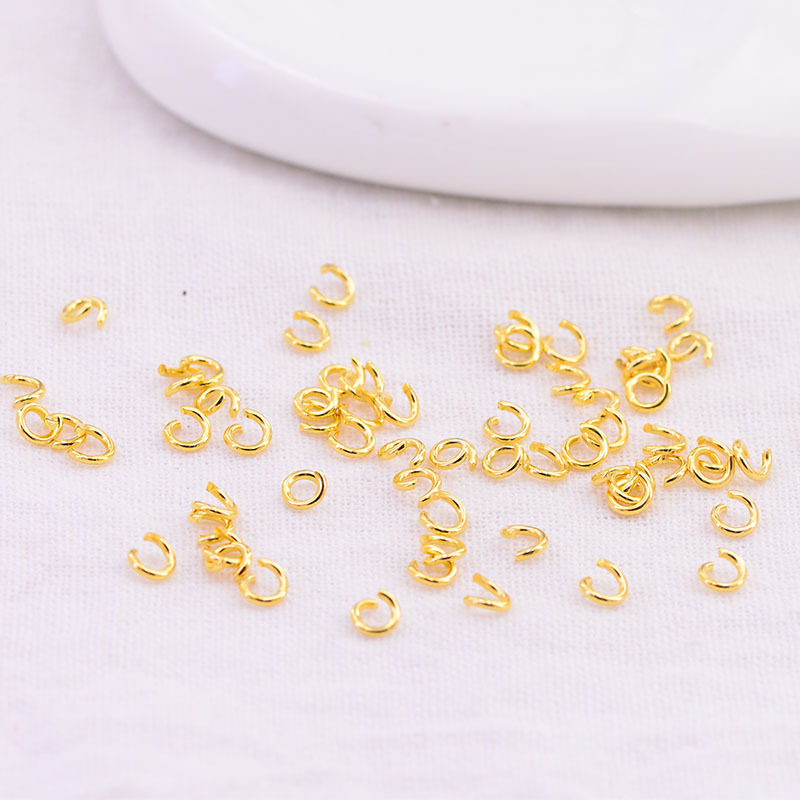
Quality evaluation of jump rings involves several key factors, including the material finish, structural integrity, and consistency. Look for smooth edges and a uniform surface, as these attributes indicate a well-manufactured product. Any rough edges could not only affect the aesthetic but also the functionality of the jump ring, potentially leading to breakage during use.
Additionally, consider the strength of the jump ring. Testing the tensile strength is crucial, especially for jewelry that may be subjected to stress. A reliable supplier will provide documentation or specifications confirming the strength of their jump rings. Moreover, conducting a sample inspection prior to mass production can help ensure that the quality meets your expectations. This step allows you to assess the jump rings under actual conditions before making a full investment.