Get a Free Quote

Our representative will contact you soon.
Email
Mobile
Name
Company Name
Message
0/1000
jump ring for pendant-0

Home > 

jump ring for pendant

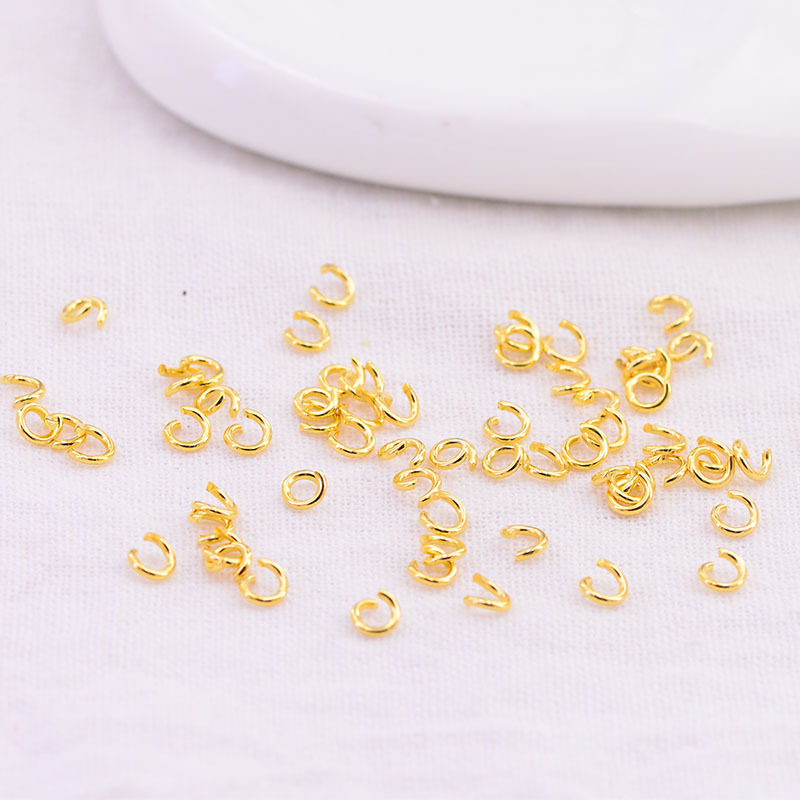
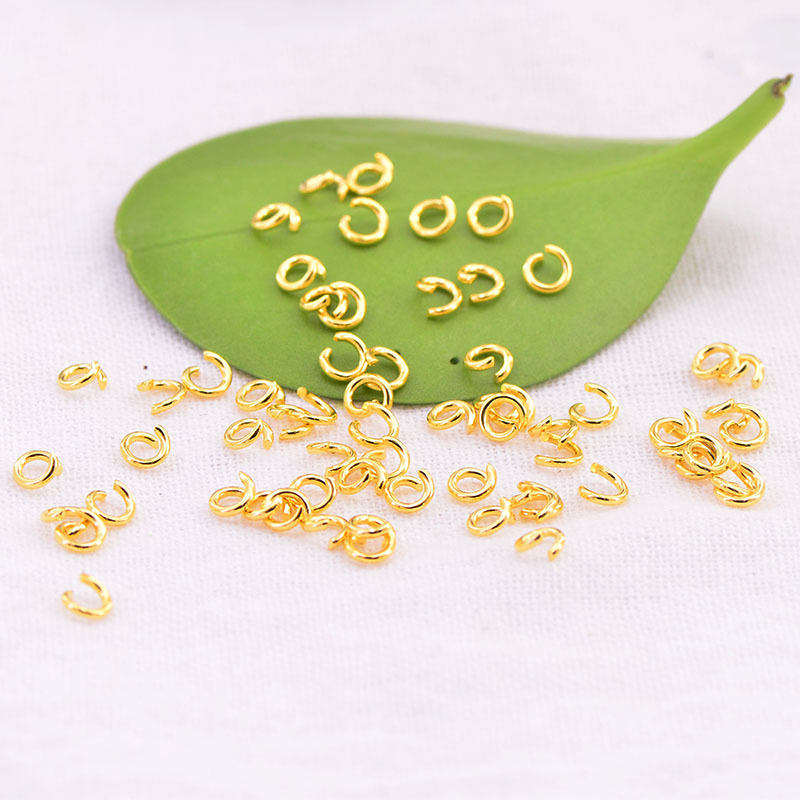
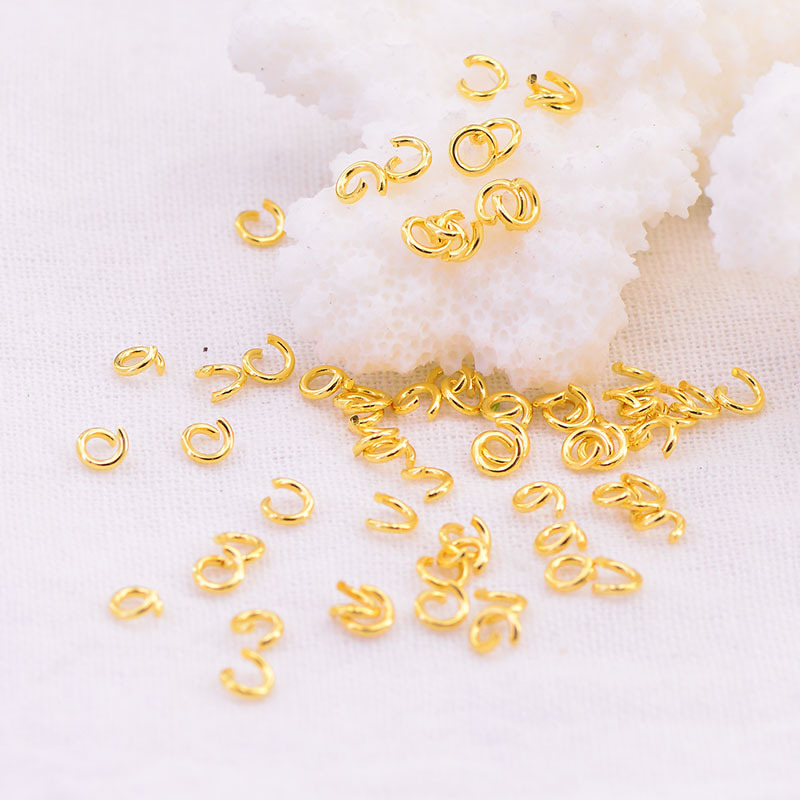
Jump  rings for pendants  are  essential components in jewelry making, designed  to connect  various elements like chains, charms,  and pendants. As a purchasing manager  or jewelry manufacturer, understanding the different  types of jump rings, their quality, and their specifications is  crucial  for  ensuring your final  product  meets market demands.  This article will  guide you through choosing the right  jump ring for your pendant manufacturing needs, evaluating quality, understanding technical specifications,  considering  cost  factors, and providing  installation guidance.
Our Products

How to Evaluate the Quality of Jump Rings for Your Projects

How to Evaluate the Quality of Jump Rings for Your Projects

Quality evaluation of jump rings involves several key factors, including the material finish, structural  integrity,  and  consistency. Look for  smooth edges and a uniform surface, as these attributes indicate a  well-manufactured product. Any rough  edges could not only affect the aesthetic but also the functionality of the jump ring, potentially  leading  to breakage during  use.


Additionally, consider the strength of the jump ring. Testing the tensile strength is crucial, especially for jewelry that may be subjected to stress. A reliable  supplier will provide documentation  or specifications confirming the  strength  of their jump rings. Moreover, conducting a sample inspection  prior to mass  production can help ensure that the quality meets your expectations. This step allows you to assess  the  jump rings under actual conditions  before making a full  investment.
Technical Specifications of Jump Rings for Optimal Performance

Technical Specifications of Jump Rings for Optimal Performance

Understanding the technical specifications of jump rings is essential for optimal performance in your jewelry applications. Key specifications  include wire  gauge, inner diameter, and closure type.

Wire Gauge: This  refers to the thickness of the wire used to make the jump  ring. A thicker gauge offers greater strength, while  a thinner gauge may be more suitable for delicate  designs. Typically, jump  rings range from 20 to 14 gauge, with the choice depending on the design's requirements.


Inner Diameter: This measurement is crucial as it determines how well the jump ring will  fit  with other components. Ensure that the inner diameter is  compatible with pendants, chains, or other attachments to prevent any fitment issues. In this regard, using Gold Plated CZ Pendant Charms – 30+ Designs for DIY Jewelry Making can provide additional options for your designs.

Closure Type: Jump rings can come in open or closed forms. Open jump rings can be easily manipulated for assembly,  but they  may require precise closing  to  maintain integrity. Closed jump rings, on the other hand,  offer a secure connection  but are not as easily  adjustable.

Buyers should  verify these specifications with the manufacturer to ensure that the jump rings will perform well in their intended applications.

Cost Factors in Wholesale Jump Rings for Pendant Production

Cost Factors in Wholesale Jump Rings for Pendant Production

When sourcing jump rings for pendant production, several cost  factors come into  play. Material  choice  significantly affects pricing; for example, stainless steel may be more expensive than brass due to its durability and corrosion resistance. Additionally, custom designs or sizes can lead to  higher costs,  particularly if they require  specialized manufacturing processes.

Another factor to consider is the  volume of your order.  Many manufacturers  offer tiered  pricing,  where larger orders benefit from reduced costs per unit. Understanding your minimum order quantity (MOQ) requirements is essential, as this can  influence overall project  budgeting.

Finally, shipping and  logistics can  add to the total cost. Ensure you  account for delivery times and costs associated  with international shipping,  especially  if your supplier operates globally.

Installation Guidance for Jump Rings in Jewelry Design

Proper installation  of jump rings  is critical to the overall success and durability of your  jewelry. When attaching a jump ring to a pendant or chain, ensure  you use the right tools, such as pliers, to avoid damaging the ring.

Start by gently opening the jump ring using two pairs of pliers, twisting it sideways rather than pulling it apart. This method helps maintain the circular shape of the ring, ensuring a secure closure when you’re done.  After connecting the  jump  ring to  your desired components, close it by reversing the twisting motion, ensuring that the ends meet completely without gaps.


Testing the strength of the connection after installation is also recommended. Gently  tug  on the  components attached to the jump ring to confirm that they are secure. If you notice  any movement or looseness, consider redoing  the installation to prevent  future issues.

By following  these guidelines and understanding the intricacies of jump rings, you  can  enhance  your jewelry offerings and  ensure that your products meet both aesthetic and functional standards.

Choosing the Right Jump Ring for Pendant Manufacturing Needs

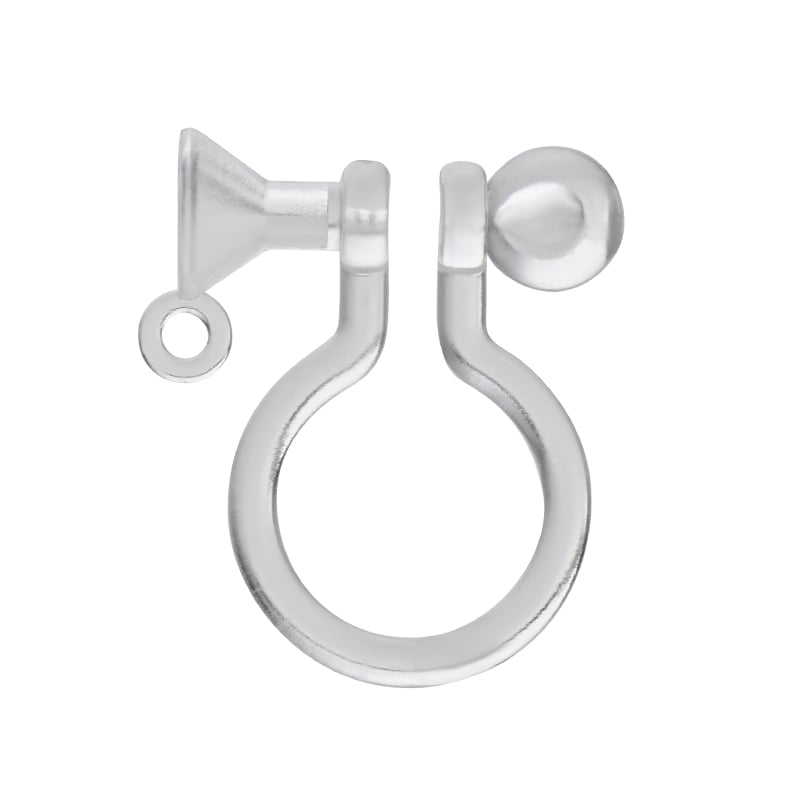
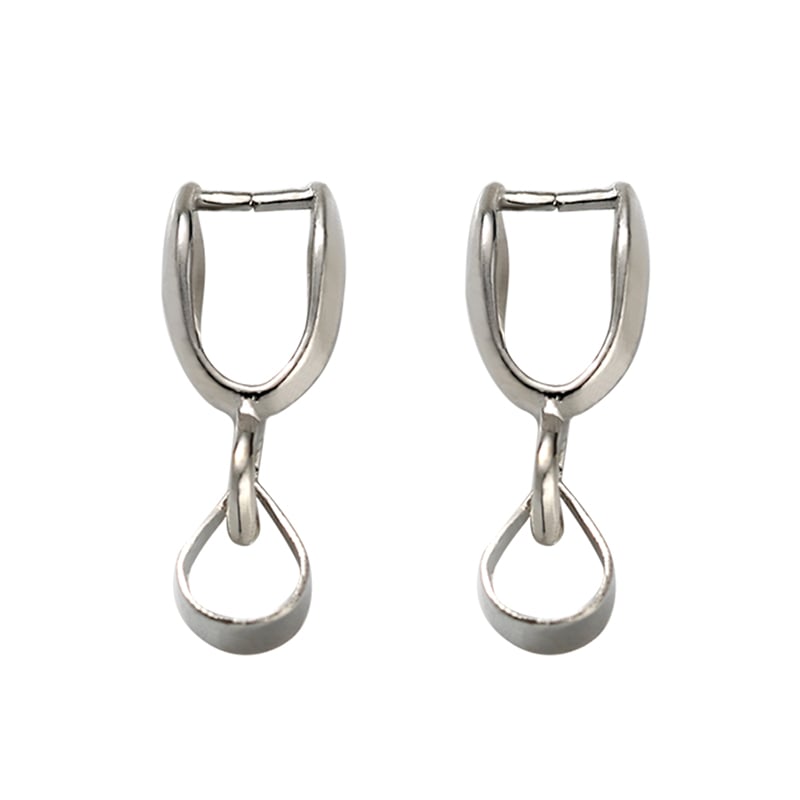
When selecting a jump  ring for pendants,  the choice of material and size is paramount. Common materials include 316 stainless steel, eco-friendly brass, and  resin, each offering unique properties. For instance, stainless steel is renowned for its durability and corrosion  resistance, making it ideal  for long-lasting jewelry pieces. Brass provides a warm finish and can be  plated for additional aesthetic appeal, while resin offers versatility in color  and design. If you are looking for high-quality materials, consider using Copper Waterdrop Earring Clip – Hinged Converter for Non-Pierced Ears as an alternative.

The size of the  jump  ring is also  critical.  A jump ring that is  too  small may not accommodate the pendant effectively, while one that is too  large can lead to a flimsy  connection. It’s advisable to consider the overall design and weight of the pendant when selecting the jump  ring size. Additionally, buyers should evaluate whether they require custom jump rings tailored specifically to their design  requirements, as this  can enhance the uniqueness of  their jewelry line.


Frequently Asked Questions

What sizes are available for the jump ring for pendant?

We offer multiple diameters and gauges to fit various chains and pendants. Custom sizes are available through our OEM/ODM services.
Jump rings are made from 316 stainless steel and eco-friendly brass. We can also produce plated finishes per client request.
Yes. 316 stainless steel and proper plating provide strong, corrosion-resistant performance and long-term wear.
Yes. Our in-house factory supports custom packaging, branding, and private label services for bulk orders.
We offer fast sampling and quick delivery. Sample lead time is short; production lead time depends on quantity—contact us for specific timelines.

Get a Free Quote

Our representative will contact you soon.
Email
Mobile
Name
Company Name
Message
0/1000

Related product categories