
Get a Free Quote

Our representative will contact you soon.
Email
Mobile
Name
Company Name
Message
0/1000
ear wires-0

Home > 

ear wires

Choosing  the  right  ear  wires is crucial for manufacturers  and distributors in the jewelry industry, as it  directly  impacts the quality and appeal of the  final  product. Ear wires  are essential components of  earrings,  connecting the decorative  elements to the wearer's  ear.  This  article will delve  into key considerations for purchasing  ear wires,  helping you make informed decisions that align with your quality standards  and customer expectations.
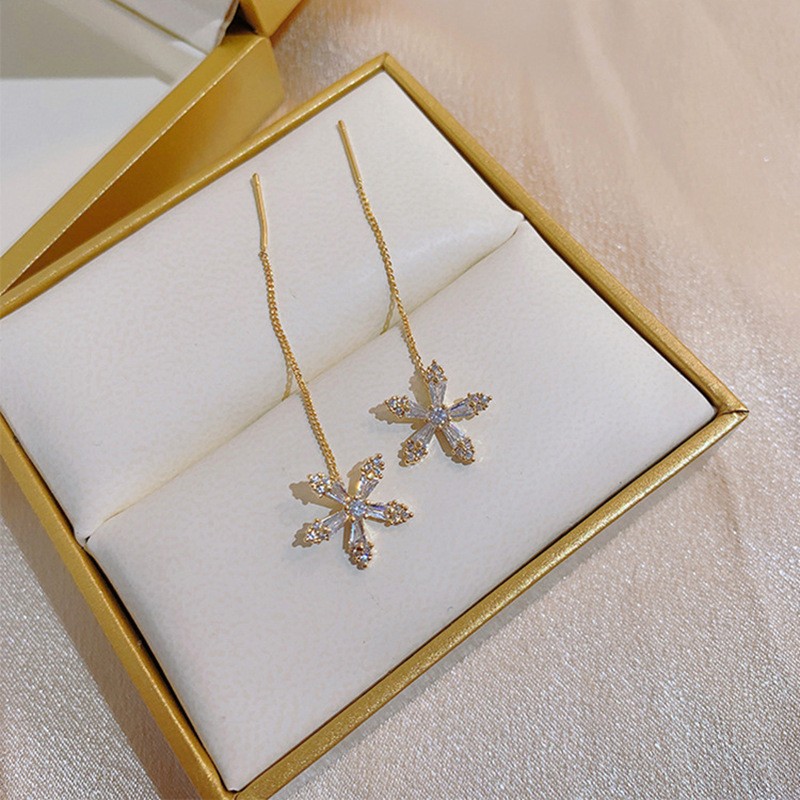
Key Specifications for High-Quality Ear Wires in Manufacturing

Key Specifications for High-Quality Ear Wires in Manufacturing

Several specifications define the  quality of ear wires, and understanding these will guide your purchasing decisions.

Material Composition: The choice of material not only influences the  aesthetic of the jewelry  but also  its performance. For  example, 316 stainless steel is favored for its strength and resistance to tarnishing, while brass may be more cost-effective  but could require surface treatment to prevent  oxidation.

Dimensions: The gauge or thickness  of  the ear wire impacts its durability  and comfort. Thicker wires may offer more strength,  while thinner wires  can be more lightweight and comfortable for extended wear.

Finish: The surface finish of ear wires  affects both appearance and  functionality. Polished finishes offer a sleek look but may show scratches more easily, whereas matte finishes  can hide  wear better.


Hypoallergenic Properties: For buyers targeting sensitive customers, confirming that ear wires are  nickel-free or specifically designed to reduce allergic reactions  is essential.

Certifications: Ensure that  your ear wires comply with industry standards, such as CE, REACH, and RoHS certifications, which indicate that they meet safety and environmental regulations.
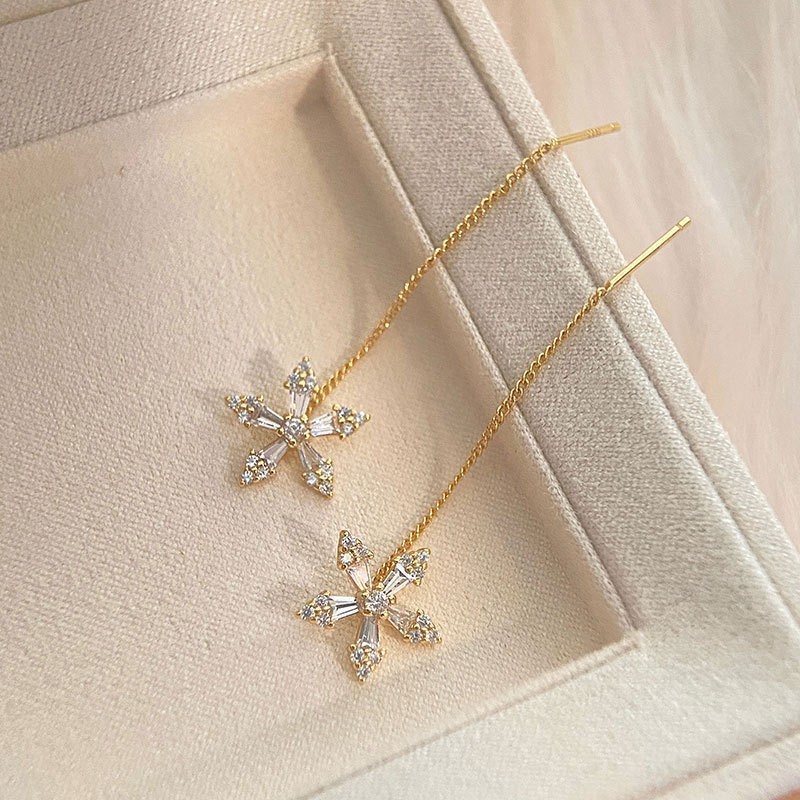
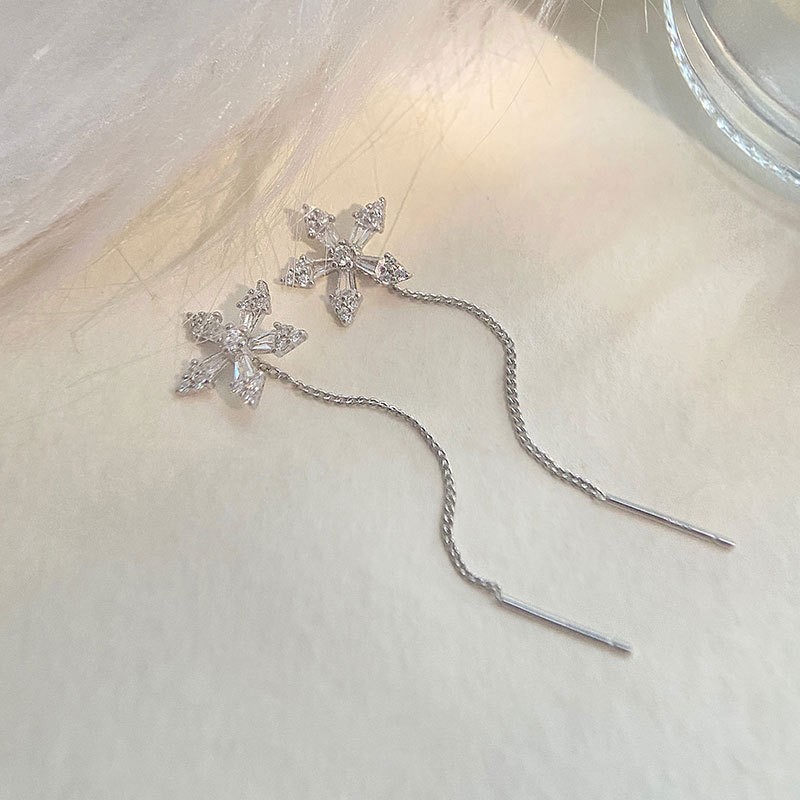
How to Evaluate the Reliability of Ear Wire Suppliers

How to Evaluate the Reliability of Ear Wire Suppliers

Evaluating potential suppliers for ear wires involves both  qualitative and quantitative assessments.  Start by checking their manufacturing experience and certifications. Suppliers  like Dongguan Rongsheng Jewelry Co., Ltd., with ISO9001 certification  and a track record of 17  years, demonstrate a commitment to  quality management and industry standards.

Next, assess their production  capabilities. Look for suppliers with in-house  manufacturing processes, as this often indicates better control  over quality and faster turnaround times. Advanced equipment  and  technology  can also lead to more precise and  consistent products.

Request samples before  placing bulk orders. This allows you to evaluate the specifications, finish,  and overall quality firsthand. During  this testing phase, pay attention to how well the ear wires hold up under normal usage conditions.

Lastly, consider customer  reviews  and testimonials. Feedback from previous clients can provide insights  into a supplier's reliability, responsiveness, and  service quality.

Common Issues with Ear Wires and Effective Solutions

Common Issues with Ear Wires and Effective Solutions

Ear  wires can  present several common issues that manufacturers should be aware of to mitigate risks. One frequent challenge  is the mismatch between the ear wires and the earring design, which can  result in  assembly  difficulties or aesthetic  inconsistencies. To avoid this,  maintain clear communication with your  supplier regarding design requirements and request  prototypes for  approval before mass production.

Another issue is the potential for corrosion, especially with cheaper materials. To combat this, source ear wires made from high-quality materials like  316 stainless steel  or ensure that any  brass options have appropriate protective coatings. For example, you could consider using Copper Waterdrop Earring Clip that combines durability with style.

Lastly, consider  the comfort of the wearer. Some ear wires may cause irritation or discomfort if not designed properly. Testing  the ear wires  with actual users can help identify  any ergonomic  problems before launching  the product.

The Benefits of Stainless Steel Ear Wires

Stainless steel ear wires offer numerous advantages  that make  them a preferred  choice for many jewelry manufacturers. Firstly, they are  highly resistant to corrosion and tarnishing, meaning that they maintain  their appearance over  time, even with regular  wear. This durability is particularly important for earrings that are  often exposed to  moisture and various environmental conditions.

Furthermore, 316 stainless  steel is generally hypoallergenic, making it suitable  for sensitive  skin. This characteristic broadens your market potential, as many consumers actively seek out jewelry that minimizes the risk of allergic reactions.

Another benefit is the ease of maintenance associated with stainless steel ear wires. They can be cleaned easily and do not require  special care, which appeals to consumers looking for low-maintenance jewelry options.

Finally, the  aesthetic versatility of stainless steel allows it to complement  various designs, from minimalist pieces  to more intricate styles. This adaptability helps manufacturers cater to diverse consumer preferences, enhancing their product offerings and market  reach.

By considering these factors and specifications, buyers can  make informed decisions when sourcing ear wires, ensuring that their  final jewelry products meet  both quality standards and customer expectations.

What to Consider When Choosing Ear Wires for Wholesale Orders

When selecting  ear wires  for wholesale orders, several factors  come into play. First,  consider  the material. Options such as 316 stainless steel,  eco-friendly  brass, and silicone each have unique properties that affect  durability, appearance, and hypoallergenic qualities. For instance, 316 stainless steel is known for  its corrosion resistance and  strength, making it a preferred choice for long-lasting jewelry. Additionally, consider using Stainless Steel Huggie Hoop Earrings as part of your designs, which can pair well with quality ear wires.

Next, think  about the  design  and style  of the ear wires. Different styles,  like fishhooks, leverbacks, and studs, can cater to various market demands. Additionally, it is important to assess the compatibility of the ear wires  with the earrings they will accompany. Ensure that the design  allows for easy assembly  and meets any  aesthetic requirements.

Finally, minimum order quantities (MOQs) and lead times are critical. Suppliers should be able to provide flexible  MOQs that suit your business needs and offer reliable delivery timelines to maintain your production schedule.

Frequently Asked Questions

What materials are your ear wires made of?

Our ear wires are made from 316 stainless steel, eco-friendly brass, resin, and silicone, offering durable and hypoallergenic options.
Yes. We use 316 stainless steel and tested materials compliant with RoHS and REACH to minimize allergic reactions.
Yes. We offer flexible ODM and OEM services for custom shapes, finishes, plating, and packaging to meet buyer specifications.
Fast sampling and quick delivery are available; sample lead time is short and bulk production depends on order size. Contact us for exact timelines.
Yes. Our factory holds ISO9001 and CE certifications, with in-house production and over 30 patents ensuring consistent quality control.

Get a Free Quote

Our representative will contact you soon.
Email
Mobile
Name
Company Name
Message
0/1000

Related product categories