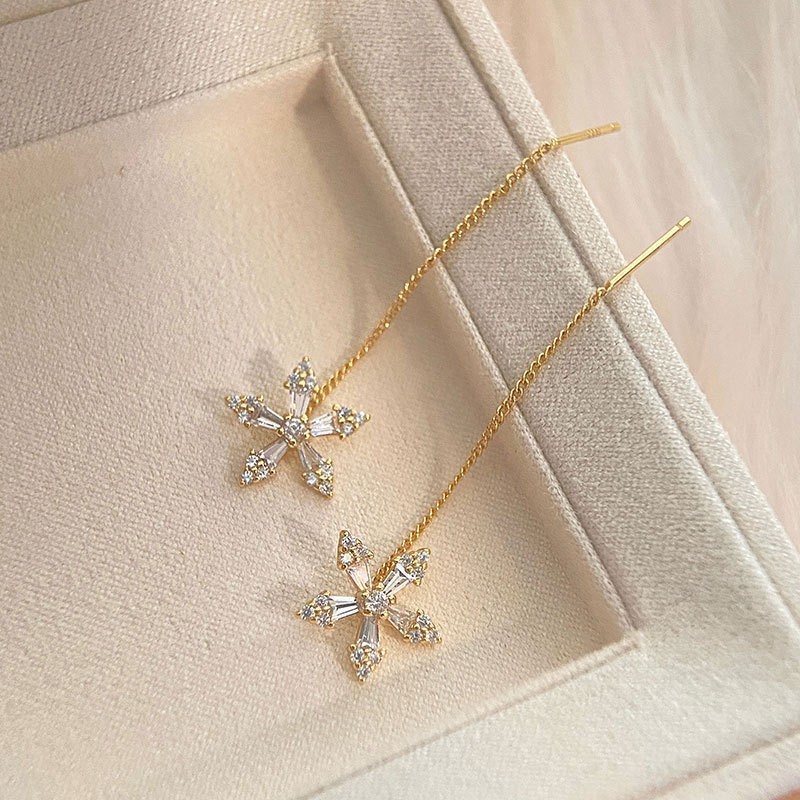
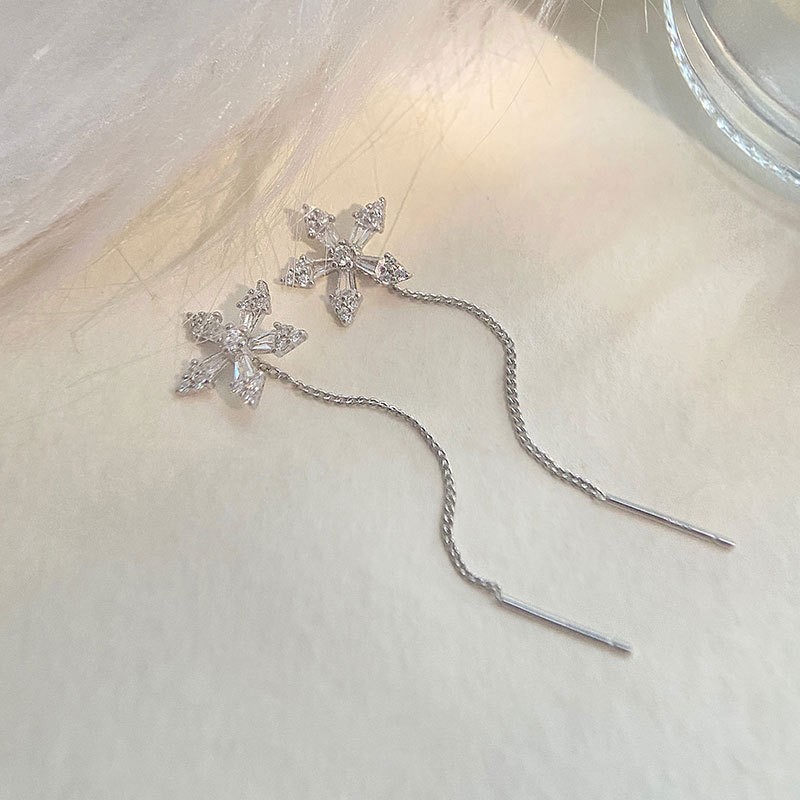
Choosing the right ear wires is crucial for manufacturers and distributors in the jewelry industry, as it directly impacts the quality and appeal of the final product. Ear wires are essential components of earrings, connecting the decorative elements to the wearer's ear. This article will delve into key considerations for purchasing ear wires, helping you make informed decisions that align with your quality standards and customer expectations.
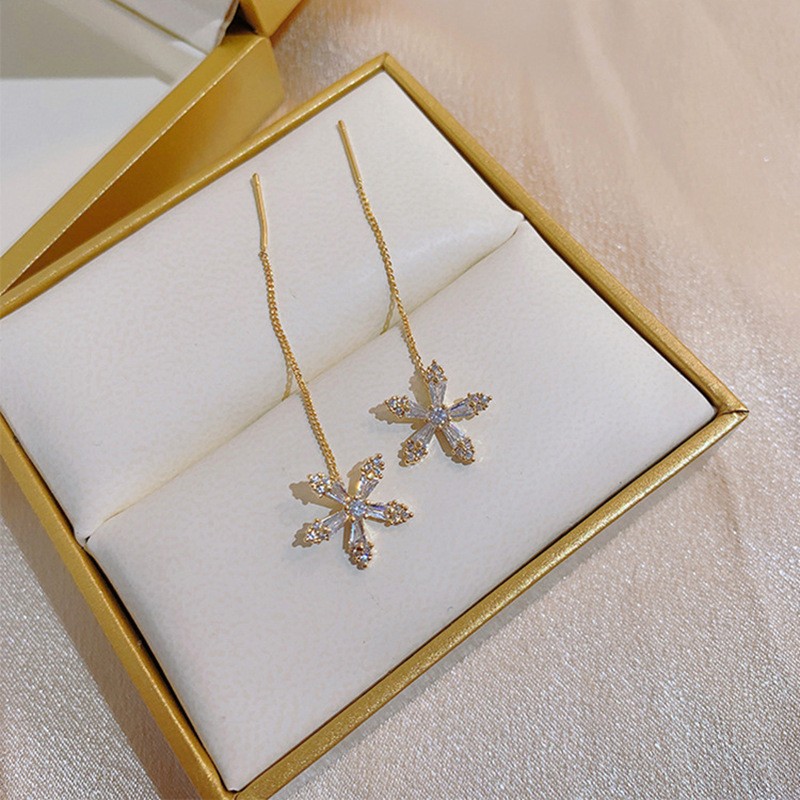
Key Specifications for High-Quality Ear Wires in Manufacturing
Several specifications define the quality of ear wires, and understanding these will guide your purchasing decisions.
Material Composition: The choice of material not only influences the aesthetic of the jewelry but also its performance. For example, 316 stainless steel is favored for its strength and resistance to tarnishing, while brass may be more cost-effective but could require surface treatment to prevent oxidation.
Dimensions: The gauge or thickness of the ear wire impacts its durability and comfort. Thicker wires may offer more strength, while thinner wires can be more lightweight and comfortable for extended wear.
Finish: The surface finish of ear wires affects both appearance and functionality. Polished finishes offer a sleek look but may show scratches more easily, whereas matte finishes can hide wear better.
Hypoallergenic Properties: For buyers targeting sensitive customers, confirming that ear wires are nickel-free or specifically designed to reduce allergic reactions is essential.
Certifications: Ensure that your ear wires comply with industry standards, such as CE, REACH, and RoHS certifications, which indicate that they meet safety and environmental regulations.