Get a Free Quote

Our representative will contact you soon.
Email
Mobile
Name
Company Name
Message
0/1000
ear clip-0

Home > 

ear clip

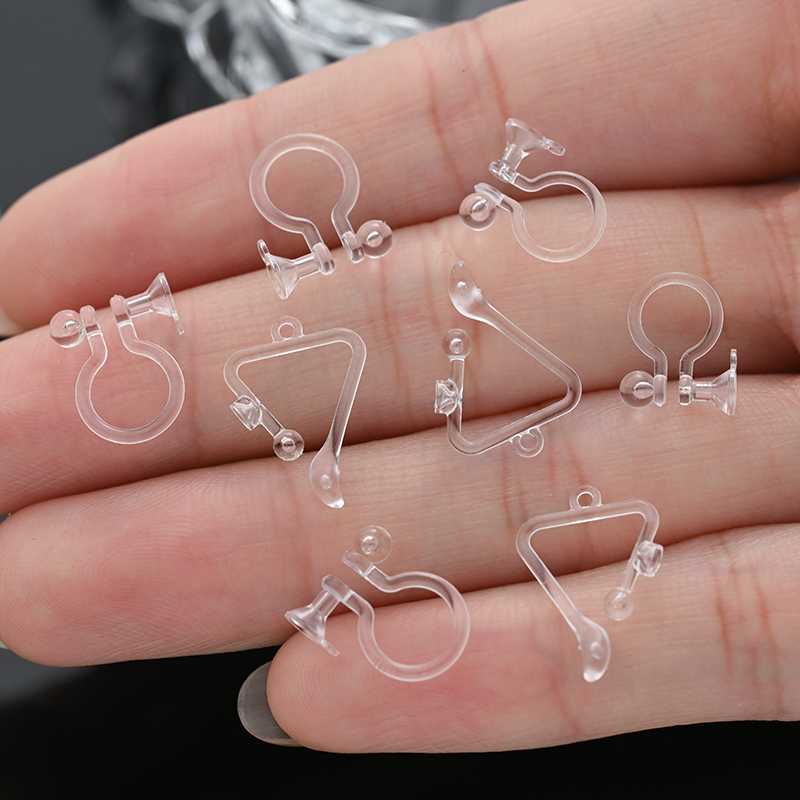
Ear clips are essential accessories in various industries,  serving practical  and aesthetic purposes.  As a buyer,  understanding the  nuances of ear clips—such as material,  design, and application—is  crucial for making  informed  purchasing decisions. This  article  will  guide  you through  key  considerations in selecting ear  clips, installation guidelines,  supplier evaluation, cost  factors,  and common issues  and solutions related to these products.
Essential Installation Guidance for Ear Clips in Various Applications

Essential Installation Guidance for Ear Clips in Various Applications

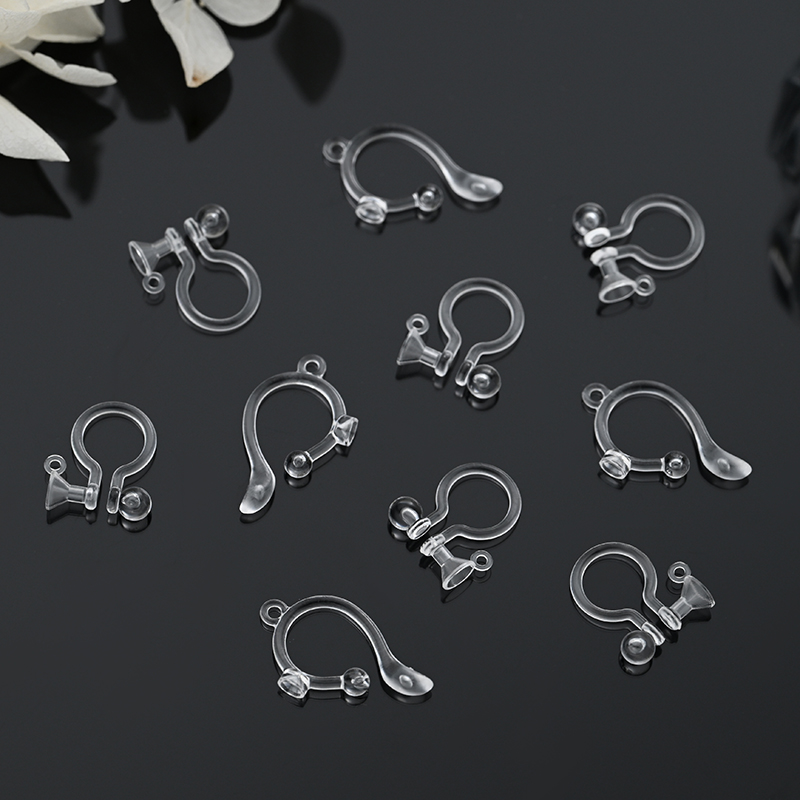
Installing ear clips  varies  depending on  their design and intended use. Here are some essential guidelines:

Fitting: Ensure  that ear clips fit snugly without being overly tight. If they are adjustable, take care to modify them according to the wearer's comfort. 

Application Specifics: For industrial applications, ear  clips  might require additional features  such as corrosion resistance or specific load-bearing capabilities.  Ensure the  selected  clips are suitable for the environment they will be used  in.

Testing for Comfort: Before mass production, conduct wear tests to evaluate comfort and secure fit. This is  particularly important in fashion  accessories where comfort can significantly influence customer satisfaction.


Maintenance: Provide instructions for cleaning and maintaining ear  clips, especially those made from materials like silicone or brass that may tarnish or degrade  over time. For added comfort, consider using Transparent Silicone Ear Clip Cushion Pads.

These  guidelines help ensure  that the ear clips not only fit well but also perform optimally in their intended applications.
 
Evaluating Supplier Reliability for Your Ear Clip Purchases

Evaluating Supplier Reliability for Your Ear Clip Purchases

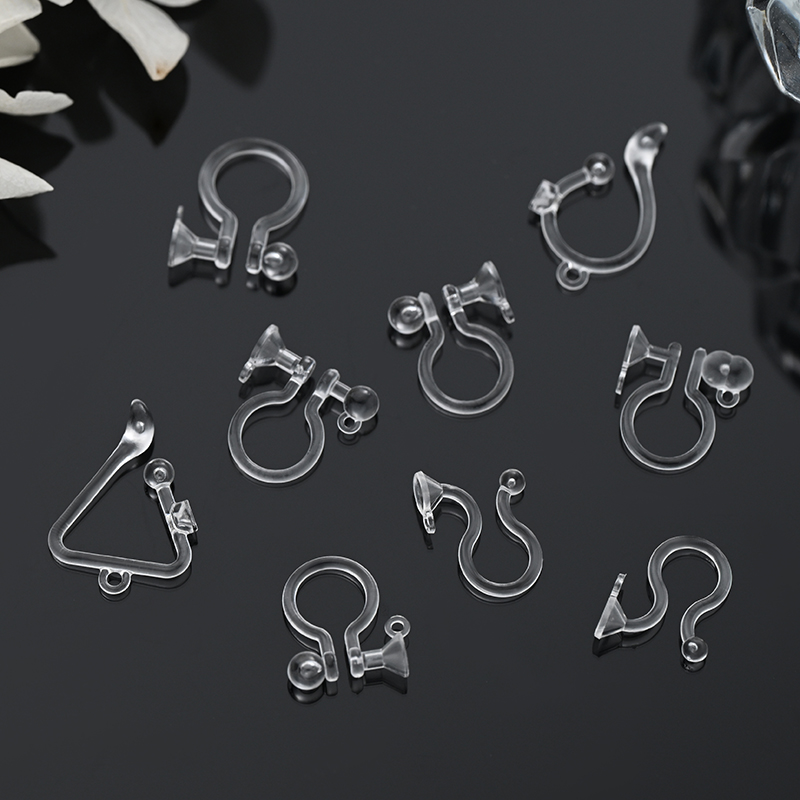
Choosing the right supplier is crucial  for a successful procurement  process. Here  are  some tips to evaluate supplier reliability:


Reputation and Experience: Look for suppliers  with a proven track record in the industry. Dongguan Rongsheng Jewelry Co., Ltd., with 17 years of experience, is an example of a  manufacturer that has  established credibility.


Certifications and Compliance: Verify that  the supplier holds  relevant certifications, as these  indicate adherence  to quality standards. Certifications like ISO9001 and RoHS can  assure buyers of product safety  and quality.

Production Capacity: Assess the manufacturer's ability to meet your order size and delivery timelines. A supplier  with in-house production capabilities is often  more reliable since they control the entire  manufacturing process.

Customer Support: Evaluate the level of  customer service offered by the supplier. Reliable suppliers should provide quick responses to inquiries and support throughout the purchasing process.

By carefully evaluating these criteria, buyers can form partnerships with reliable suppliers, ensuring consistent quality and timely delivery.

 
Cost Factors to Keep in Mind When Sourcing Ear Clips

Cost Factors to Keep in Mind When Sourcing Ear Clips

Understanding the cost structure  of  ear  clips is essential for effective budgeting. Key cost factors include:

Material Costs: The choice of material significantly impacts the  price. Stainless steel, while more expensive, offers durability and a premium feel, while silicone may be more budget-friendly.

Design Complexity: Intricate  designs  may require more  labor and time, increasing  production costs. Simple,  minimalistic designs are often more cost-effective.

Production Volume:  Larger  orders often come with volume  discounts, so consider the potential  for bulk purchasing to reduce costs per unit.  However, make sure the MOQ aligns with  your  needs.

Shipping and Handling: Factor in shipping costs, which  can vary based on the destination and order size. Ensure that shipping is included in your total cost calculation.

Being aware of these cost  factors allows buyers  to  negotiate better pricing and make informed financial decisions.

Common Problems with Ear Clips and Effective Solutions

Despite their advantages, ear clips  can present  some  challenges. Here are common issues and their solutions:

Discomfort or Poor Fit: Some users may find ear clips uncomfortable. To address  this, ensure that the clips are adjustable  and provide options for different ear sizes. Testing samples  before  mass production can reveal any fit issues.

Material Reactions: Allergies to certain materials, such as  nickel  in some metal clips, can cause discomfort. Opting  for hypoallergenic materials, like high-quality stainless steel  or silicone, can  mitigate  these issues.

Durability Concerns: Clips can break or deform if not manufactured to withstand  repeated  use. Ensure that the supplier employs  rigorous quality control processes and uses durable materials.

Design Limitations: Some designs may  not hold securely and can fall off. Conduct thorough testing on prototypes to ensure that the design provides a secure fit.


By proactively addressing these common issues, buyers can enhance customer satisfaction and reduce returns or complaints.

Understanding ear clips from a manufacturing and application perspective is essential for B2B buyers. By focusing on specifications, supplier evaluation, cost  factors, and common challenges, you can make well-informed purchasing decisions  that meet your operational needs.

A Buyeru2019s Guide

When sourcing ear clips,  it’s vital to  evaluate  several specifications  to ensure they meet your requirements. Key factors  include:

Material: Ear clips are  typically made from materials like 316 stainless steel, eco-friendly brass, or silicone.  Each material has its own properties: stainless steel is durable and corrosion-resistant, while silicone  offers flexibility and comfort.

Design and Size: Consider the design that  suits your target market.  Ear clips come in various styles, from minimalistic to more elaborate  designs. Size can also affect comfort and wearability.

Production  Capabilities: Assess the manufacturer’s capabilities to provide custom  designs or modifications. Dongguan Rongsheng Jewelry Co., Ltd., for example, offers flexible ODM and OEM  services, catering to unique customer  requirements. If you're looking for quality accessories, consider our Copper Waterdrop Earring Clip – Hinged Converter for Non-Pierced Ears as an example.

Certifications: Ensure the supplier holds relevant certifications, such as ISO9001,  CE, or RoHS, which reflect  quality standards and safety compliance.

Minimum Order Quantity (MOQ): Understand the MOQ to align your purchasing strategy with your budget and  inventory needs.

By focusing on these aspects, buyers can make educated  choices that align with  their operational needs and market demands.

Frequently Asked Questions

What materials are used for this ear clip?

Our ear clips are made from 316 stainless steel, eco-friendly brass, resin, and silicone, offering durability and skin-friendly wear.
Yes. We use low-allergy materials like 316 stainless steel and silicone, and comply with REACH and RoHS standards for safety.
Yes. We offer flexible ODM and OEM services with in-house design, sampling, and production to meet custom design and branding needs.
We provide fast sampling and quick delivery; exact timing depends on design complexity and order size. Contact us for a tailored lead time.
Yes. Our factory holds ISO9001 and CE certifications, and many products meet REACH and RoHS requirements to ensure quality and compliance.

Get a Free Quote

Our representative will contact you soon.
Email
Mobile
Name
Company Name
Message
0/1000

Related product categories