
Get a Free Quote

Our representative will contact you soon.
Email
Mobile
Name
Company Name
Message
0/1000
non pierced earrings-0

Home > 

non pierced earrings

Non-pierced earrings offer an attractive alternative  to traditional earrings, appealing  to a wide  range of consumers  who  prefer comfort  and ease of  use without the need for  ear piercings.  As a B2B buyer,  whether you're a purchasing manager,  distributor, or retailer, understanding the  nuances of non-pierced earrings is essential for making informed procurement  decisions. This  article will  delve  into  key specifications,  cost factors, common issues,  application markets, and material advantages, providing the insights you need to  source the right products effectively.
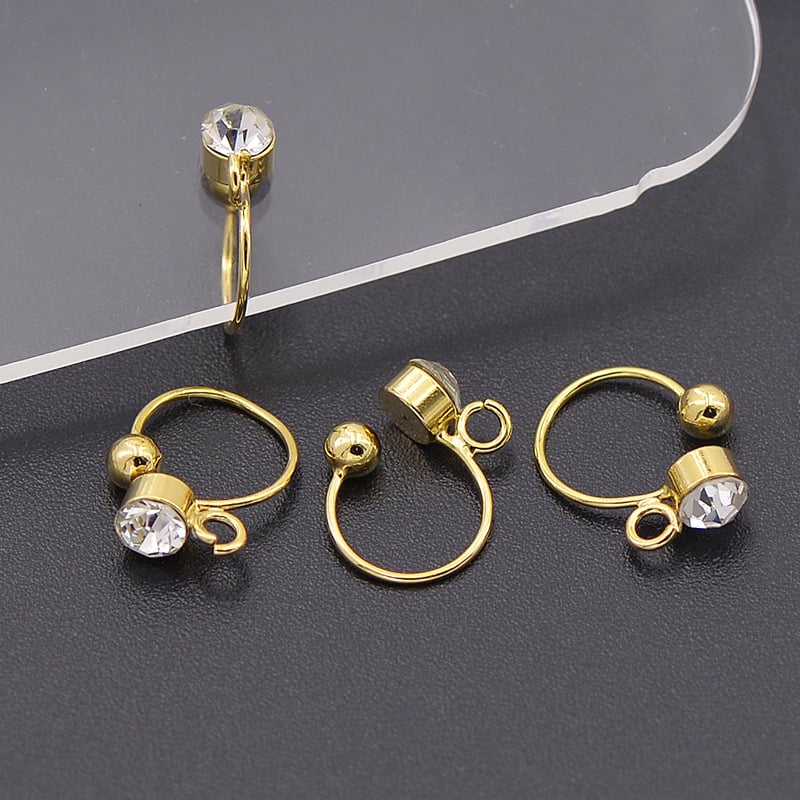
Cost Factors to Assess When Buying Non-Pierced Earrings in Bulk

Cost Factors to Assess When Buying Non-Pierced Earrings in Bulk

Cost is a significant consideration when  purchasing  non-pierced  earrings  in bulk. Here are some factors that  can influence pricing:

Material Quality: Higher-quality materials such  as hypoallergenic stainless steel may come at a premium but can  lead to lower returns due to customer satisfaction, thus saving costs in the long run.


Manufacturing Processes: The complexity of the manufacturing process can affect costs. Processes  involving intricate designs or specialized techniques may require more  labor and advanced machinery, impacting the  overall price.

Order Quantity: Bulk orders  often come with  discounts, but minimum order quantities (MOQs) should be verified with the supplier. Understanding the  pricing structure based on order  volume can help optimize your purchasing  strategy.

Customization Options: If you require  customized  designs or  packaging, this can also affect pricing. It’s essential to discuss these  needs during the initial negotiations to avoid unexpected costs later.
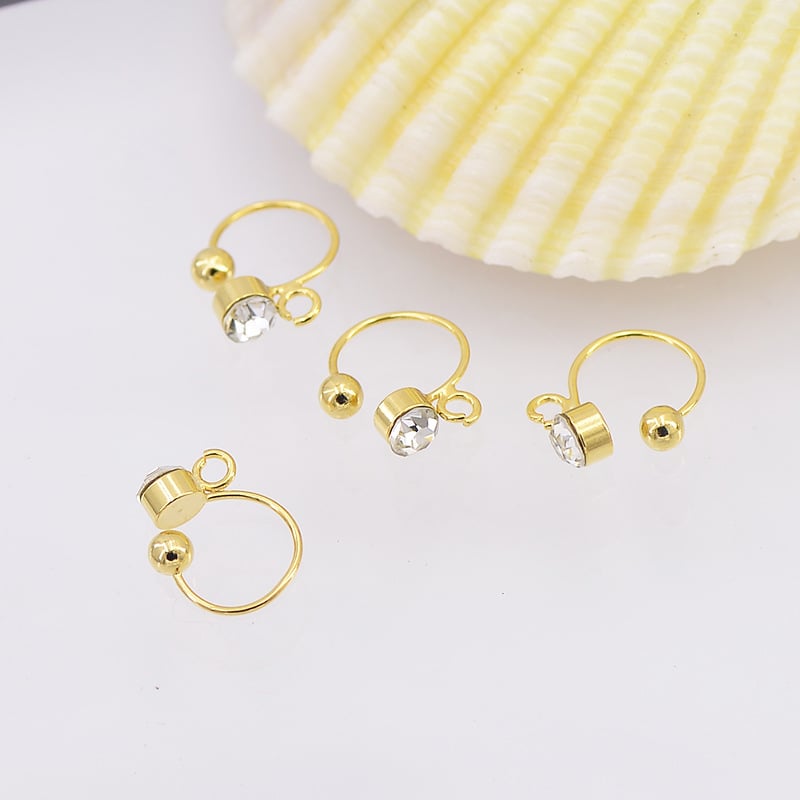
Common Problems with Non-Pierced Earrings and Their Solutions

Common Problems with Non-Pierced Earrings and Their Solutions

While non-pierced earrings are generally popular, they can present specific  challenges.  Here are common issues and their potential solutions:

Comfort and Fit: Some wearers  may find certain  styles uncomfortable, especially if they are too tight or  heavy. To address this, provide a range of sizes or adjustability in designs to accommodate different ear shapes and sensitivities.

Durability Concerns:  Non-pierced earrings can sometimes suffer from wear and tear, particularly at  the closure points. Opting for high-quality materials and robust manufacturing processes can enhance durability. Regular quality checks during production can help catch issues before  products reach customers.

Color Fading or  Tarnishing:  Depending on the material, some earrings  may fade over time. To  combat this, consider offering products with  protective coatings or  finishes  that enhance longevity and maintain their appearance.

Limited Market Appeal: Certain styles may not appeal to all demographics.  Conducting market research can help identify trends and preferences, allowing you to stock  a diverse  range of non-pierced earrings  that  cater to various customer bases.

Applications of Non-Pierced Earrings in Various Retail Markets

Applications of Non-Pierced Earrings in Various Retail Markets

Non-pierced  earrings have applications across multiple retail sectors, providing a versatile  product for various consumer demographics:

Fashion Retail:  In fashion  boutiques, non-pierced earrings can be marketed  as trendy accessories, appealing  to fashion-forward consumers  who seek statement pieces without the commitment of piercings.

Health and Wellness:  Retailers  focusing on health and wellness can promote non-pierced earrings  as suitable  for individuals with sensitive skin or  those allergic to metals,  enhancing their marketability.

Gift  Shops: Non-pierced earrings make excellent  gifts, as they cater to a wider audience  who may  not have  pierced ears. Highlighting their versatility and style can attract gift buyers.

Seasonal Markets: During holidays and special events,  non-pierced earrings can be marketed as unique gifts or accessories, capitalizing on seasonal  shopping trends.

Comparing Material Advantages of Non-Pierced Earrings for Buyers

When  selecting non-pierced  earrings, understanding the advantages of  different materials  is essential for meeting customer expectations:

316  Stainless Steel: Known for its  strength and corrosion resistance, stainless steel is  ideal for everyday wear. It's hypoallergenic, making it suitable for sensitive skin. This material also retains its luster over time, reducing the need for frequent replacements.

Eco-Friendly Brass: Brass offers a warm appearance and can be more cost-effective than precious  metals. Its sustainability aspect appeals to environmentally  conscious consumers. However, it may require a protective coating to prevent tarnishing.

Resin: Lightweight and available in various colors and designs, resin is perfect  for creating bold, artistic  pieces. It allows for  creative expression while being comfortable  for long wear. However, it’s essential to ensure that the resin used is durable and resistant to fading.


Silicone: Ideal  for  lightweight, flexible designs, silicone is also hypoallergenic and easy to clean. It’s particularly suitable for casual or sporty  styles, making it a favorite among younger consumers.

By  understanding these material advantages, buyers can make informed decisions that align with their market strategy and customer preferences.


sourcing non-pierced earrings involves a thorough understanding of specifications, cost factors, potential challenges, and market applications. By leveraging insights on  materials and their advantages, B2B buyers can not only optimize their purchasing strategies but also enhance customer satisfaction and loyalty.

Key Specifications for Non-Pierced Earrings You Should Know

When considering non-pierced earrings, several specifications are crucial for  ensuring product quality and customer satisfaction.  The key  specifications to focus on include:

Material Composition: Non-pierced  earrings are  typically made  from materials such as 316 stainless steel, eco-friendly brass, resin,  and silicone. Each material has unique  properties; for instance, stainless steel is known for its durability and resistance to corrosion, while silicone is lightweight and comfortable for long wear. To enhance your collection, consider adding Extension Jewelry options that cater to different styles.

Size and Weight: The dimensions of the earrings should be compatible with the intended wearer's preferences. Non-pierced earrings come in various sizes and styles, from small studs to larger hoops. It’s important to consider the weight, as heavier earrings can  be uncomfortable for prolonged use.

Closure  Mechanism: The type of closure affects how securely the earrings stay in place.  Common types include clip-ons, magnetic closures, and tension  mounts.  Each mechanism has  different comfort levels and ease of use, so understanding these can help you assess customer needs  better.

Finish and Coating: The surface finish affects not only the aesthetic  appeal but also the  durability of  the earrings. Options like plating  or anodizing can  enhance appearance and resist tarnishing, which is particularly important for maintaining product quality over time.

Frequently Asked Questions

What materials are used for these non pierced earrings?

Our non pierced earrings are made from 316 stainless steel, eco-friendly brass, resin, and silicone for comfort, durability, and hypoallergenic performance.
Yes. We use 316 stainless steel and tested materials to reduce irritation. Products comply with REACH and RoHS standards.
Yes. We offer flexible OEM and ODM services, including custom designs, finishes, and packaging to meet buyer specifications.
We provide fast sampling and quick delivery. Sample lead time is short (typically days); bulk lead times vary by order size—contact us for exact timing.
Yes. Our factory holds ISO9001 certification and products meet CE, REACH, and RoHS requirements. We also hold over 30 patents.

Get a Free Quote

Our representative will contact you soon.
Email
Mobile
Name
Company Name
Message
0/1000

Related product categories