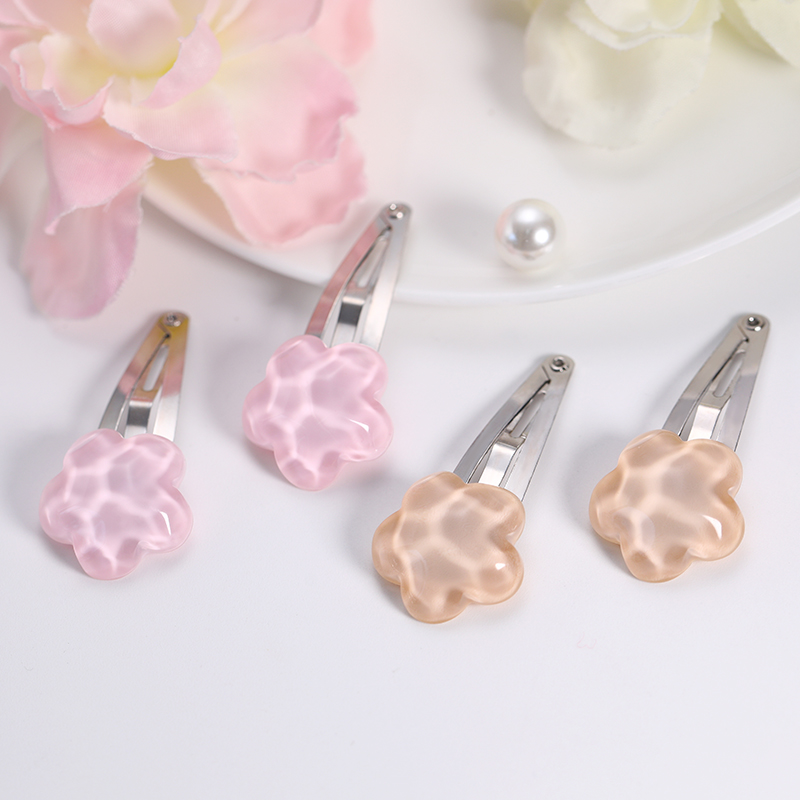
Sourcing small hair clips for your business requires careful consideration of various factors to ensure quality, functionality, and cost-effectiveness. This article will address key aspects that B2B buyers, such as purchasing managers and distributors, should keep in mind when evaluating small hair clips. We will explore specifications, cost factors, installation guidance, and common challenges to help you make informed purchasing decisions.
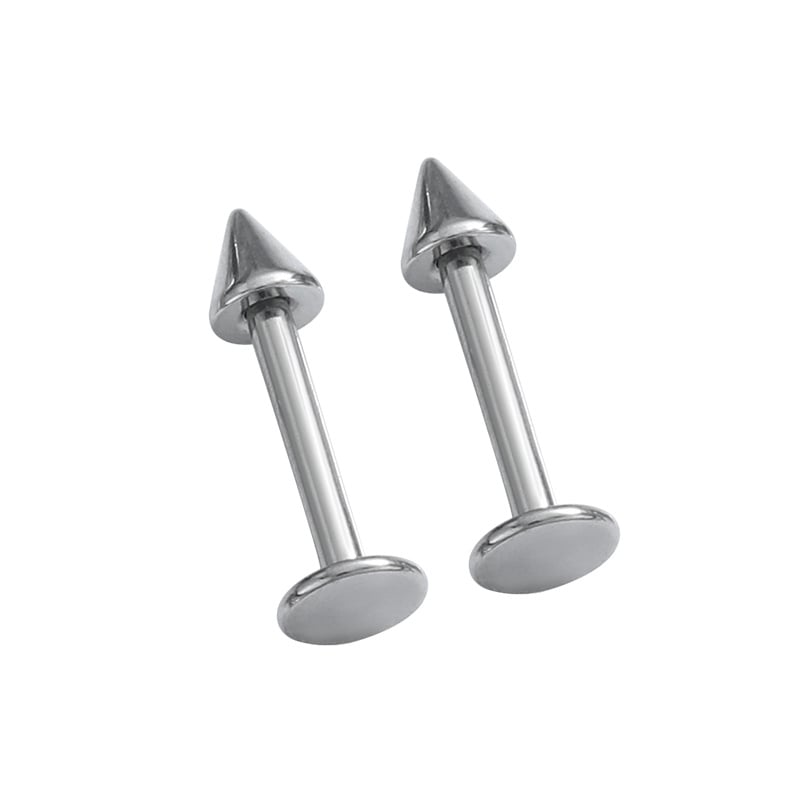
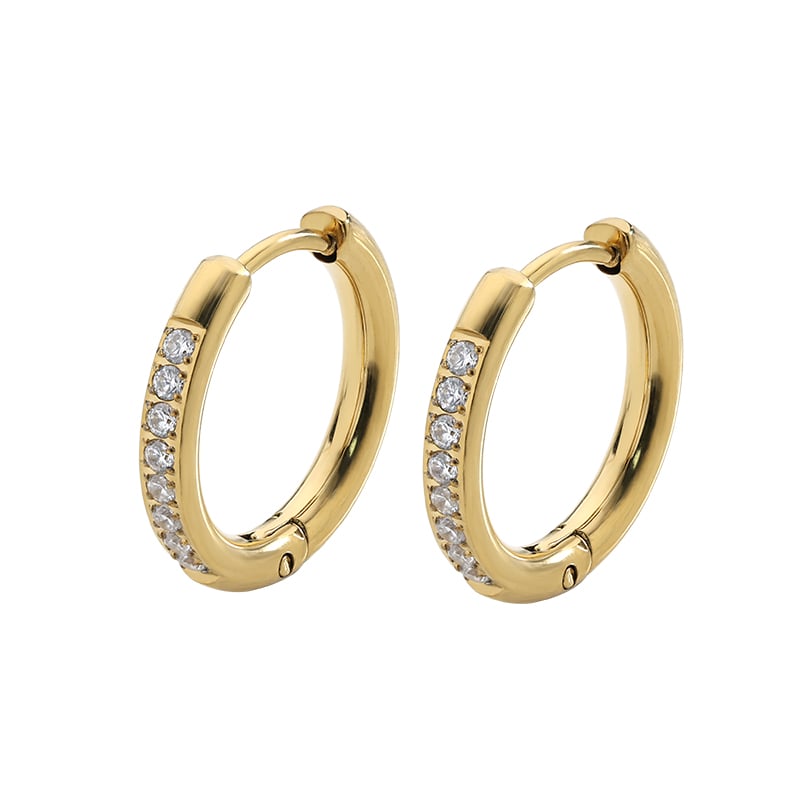
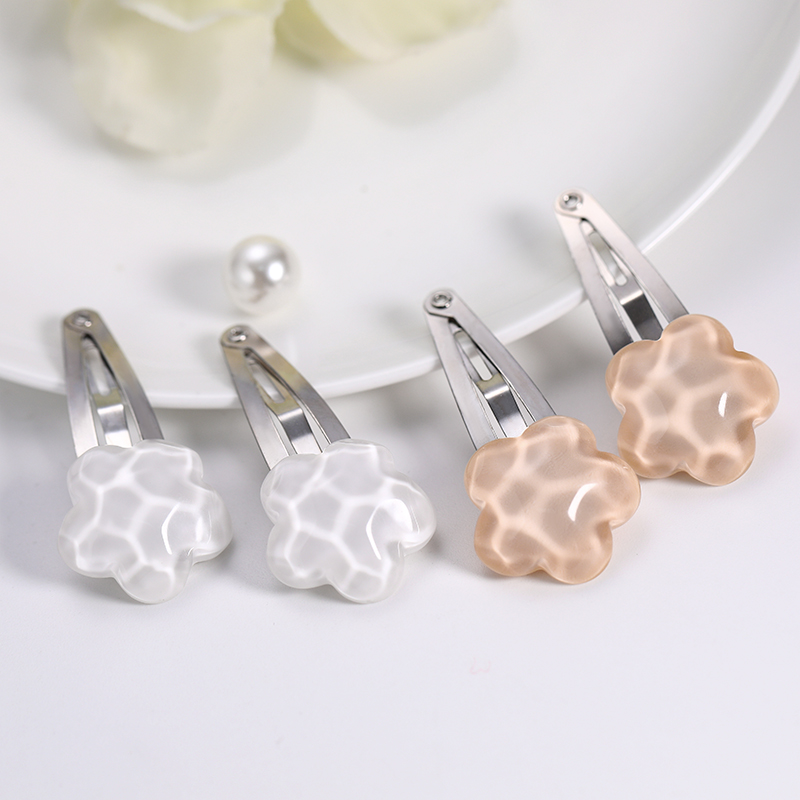
Key Specifications for High-Quality Small Hair Clips
High-quality small hair clips should meet specific key specifications that ensure their functionality and performance. Important specifications include:
Material: The choice of material affects durability and appearance. Stainless steel offers corrosion resistance, while eco-friendly brass can appeal to environmentally conscious consumers. Ensure that materials used are compliant with safety regulations, such as REACH and RoHS.
Dimensions: Dimensions should be appropriate for the target user demographic. Smaller clips may suit children or delicate hairstyles, while larger clips might be better for thicker hair. Always verify dimensions against your intended application.
Strength and Grip: The clips should have adequate grip strength to hold hair securely without slipping. Test the clips under various conditions to ensure they perform well in real-life scenarios.
Finish: The surface treatment can impact both aesthetics and functionality. Consider whether a polished or matte finish is appropriate for your target market.
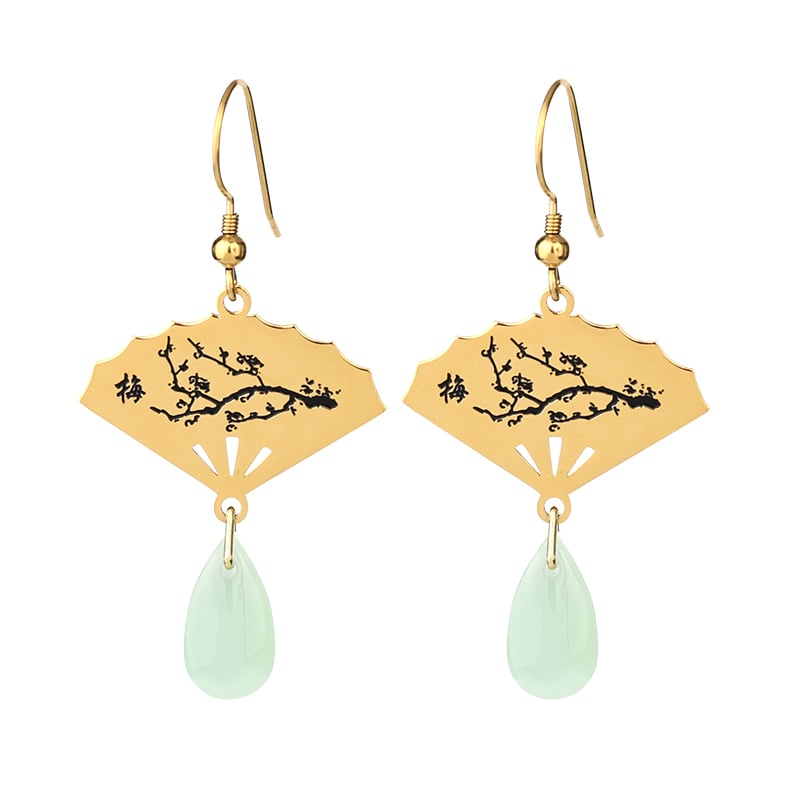
Customization Options: If you plan to brand the clips or offer them in various colors, confirm that the supplier can accommodate your customization requests, such as logo printing or color variations. For those seeking customizable options, check out our Copper Waterdrop Earring Clip – Hinged Converter for Non-Pierced Ears.