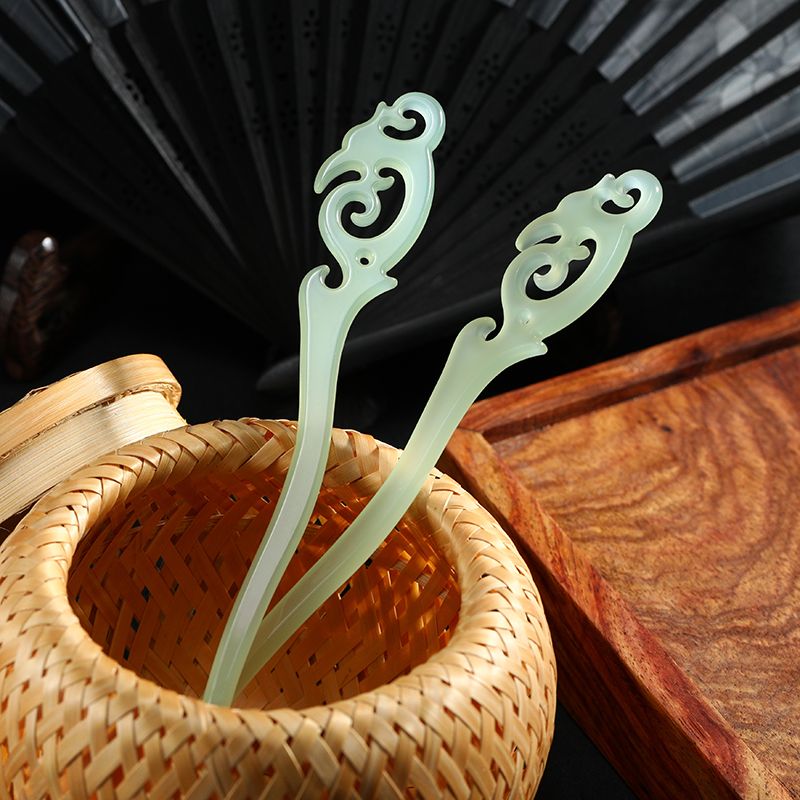
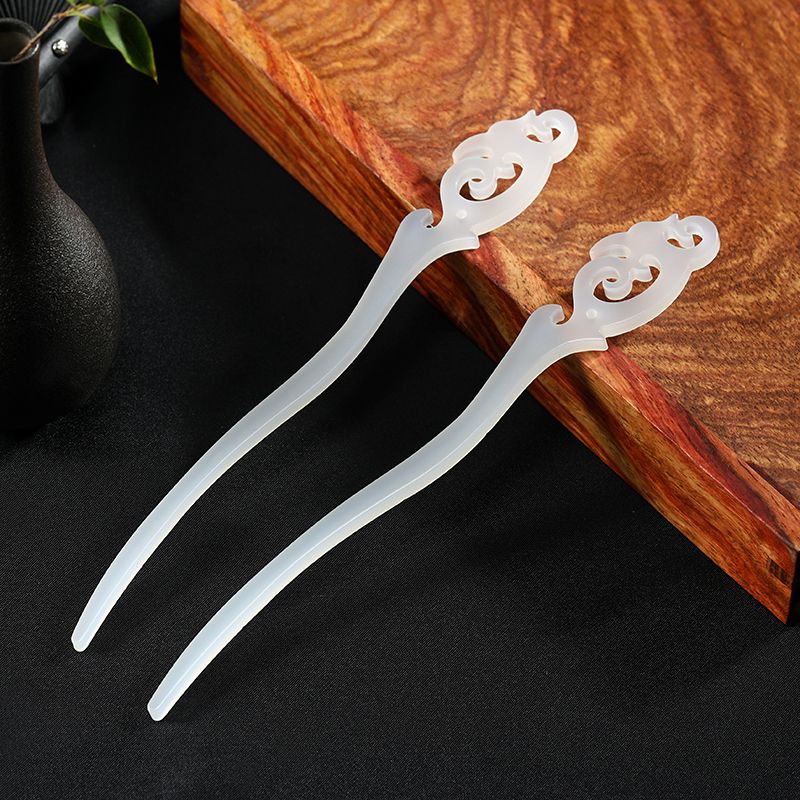
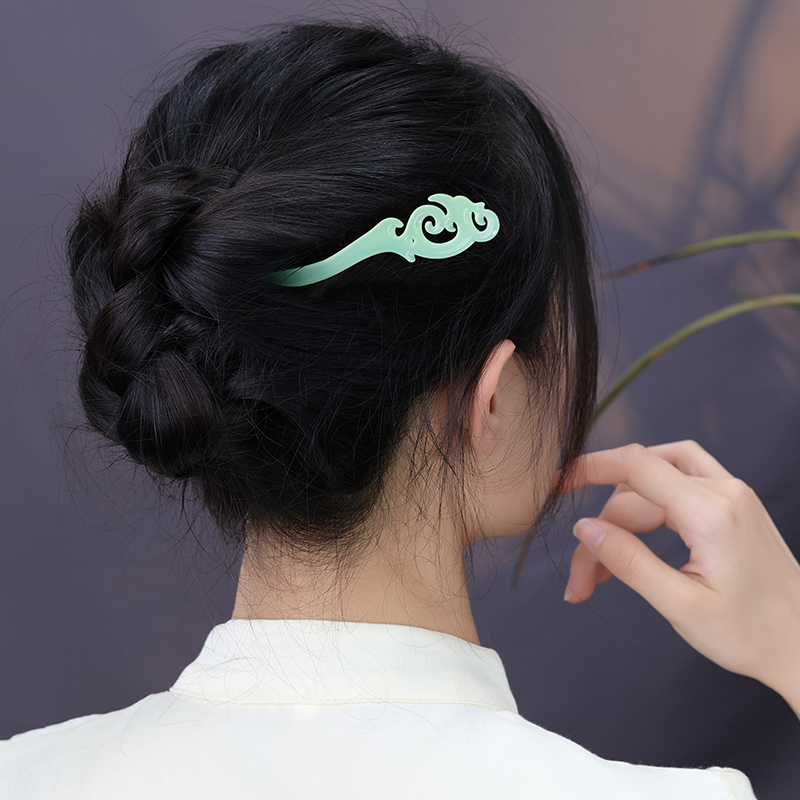
Hair pins are essential accessories used widely in both everyday styling and professional settings, making them a popular choice among consumers and businesses alike. For B2B buyers, especially purchasing managers and distributors, understanding the intricacies of sourcing hair pins is crucial. This article will provide insights into key considerations for wholesale buying, specifications, cost factors, common issues, and how to evaluate supplier reliability, all aimed at helping you make informed purchasing decisions.
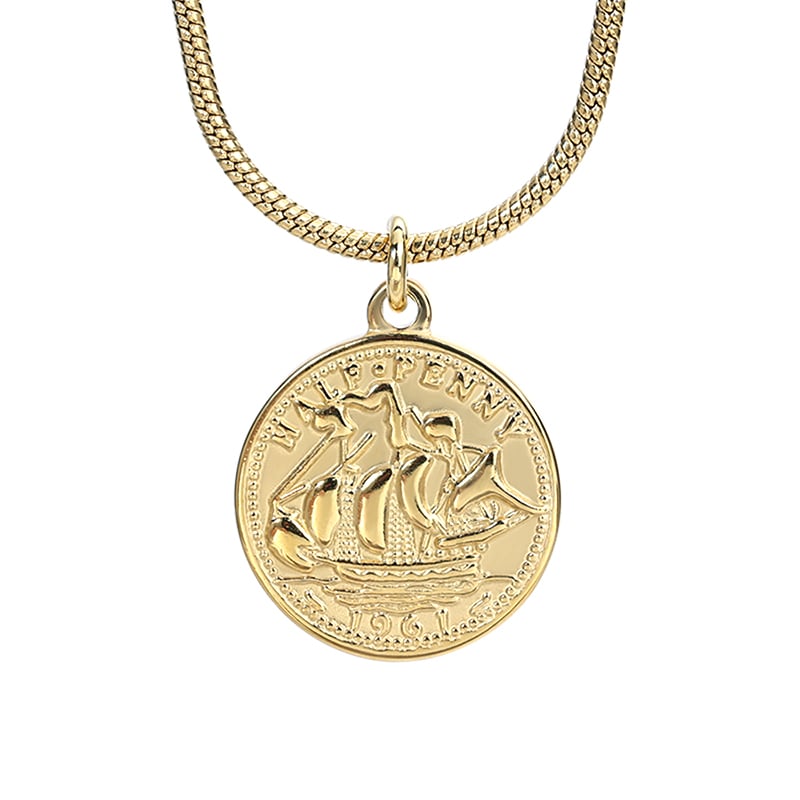
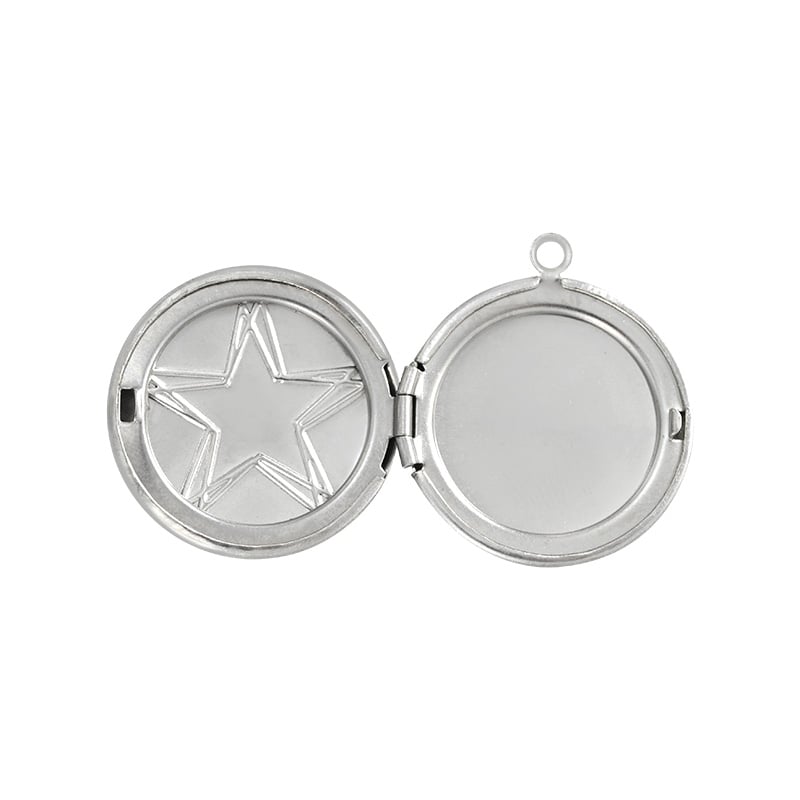
Specifications to Consider When Purchasing Hair Pins in Bulk
When evaluating hair pins for bulk purchase, several specifications should be taken into account:
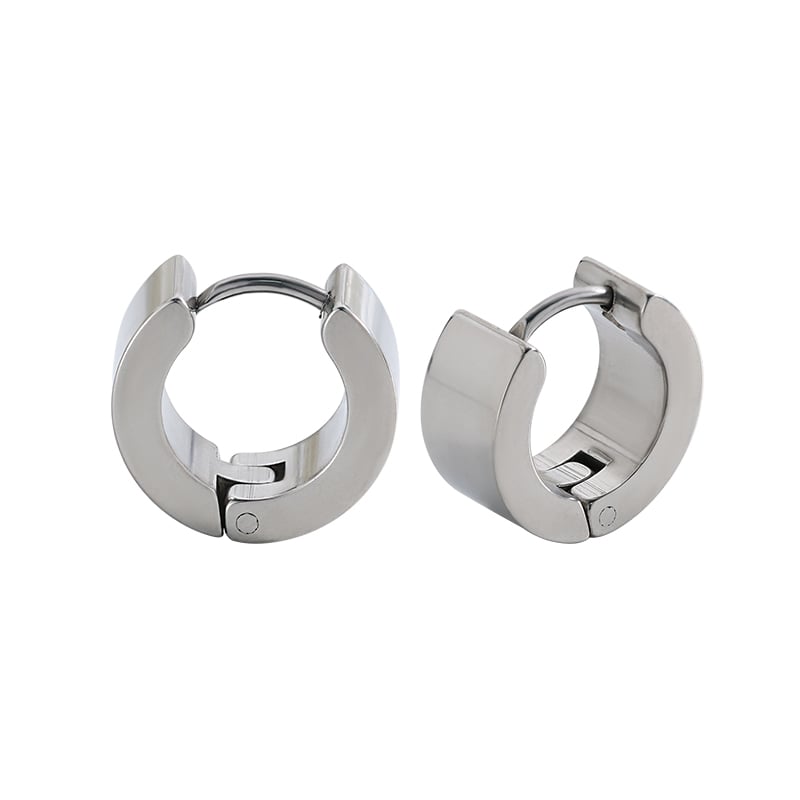
Material: The choice of material not only impacts the aesthetic appeal but also the durability and functionality of the hair pins. For instance, 316 stainless steel offers superior corrosion resistance, making it suitable for long-term use.
Dimensions: Hair pins come in various sizes and shapes. Buyers should confirm the specific dimensions needed for their target market to ensure compatibility with different hair types and styling requirements.
Design Features: Features such as grip, flexibility, and weight are important for functionality. Hair pins that are too heavy may not hold hair securely, while those that are too light might not provide the desired styling hold.
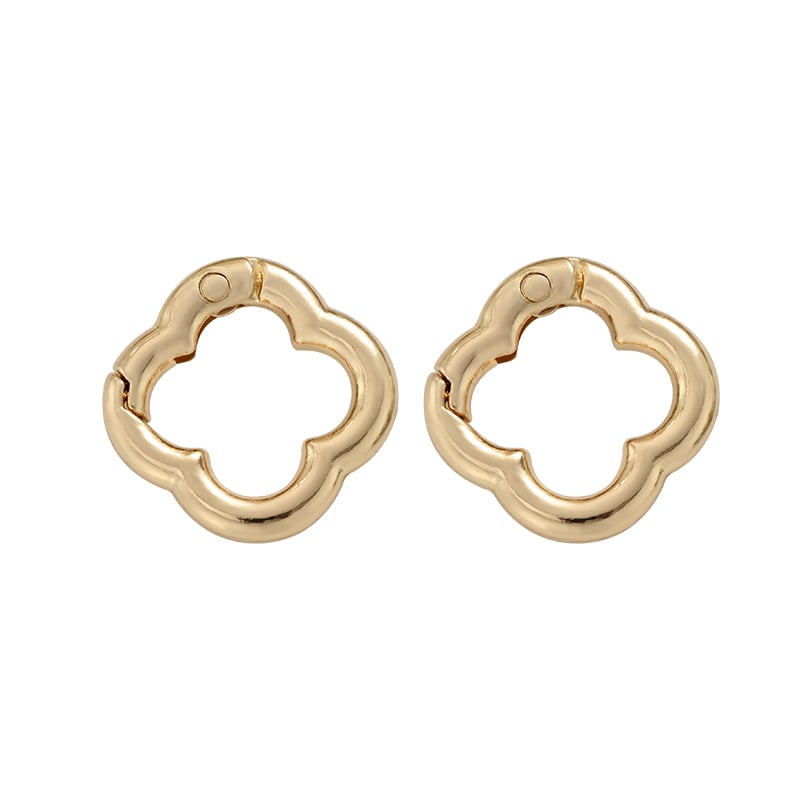
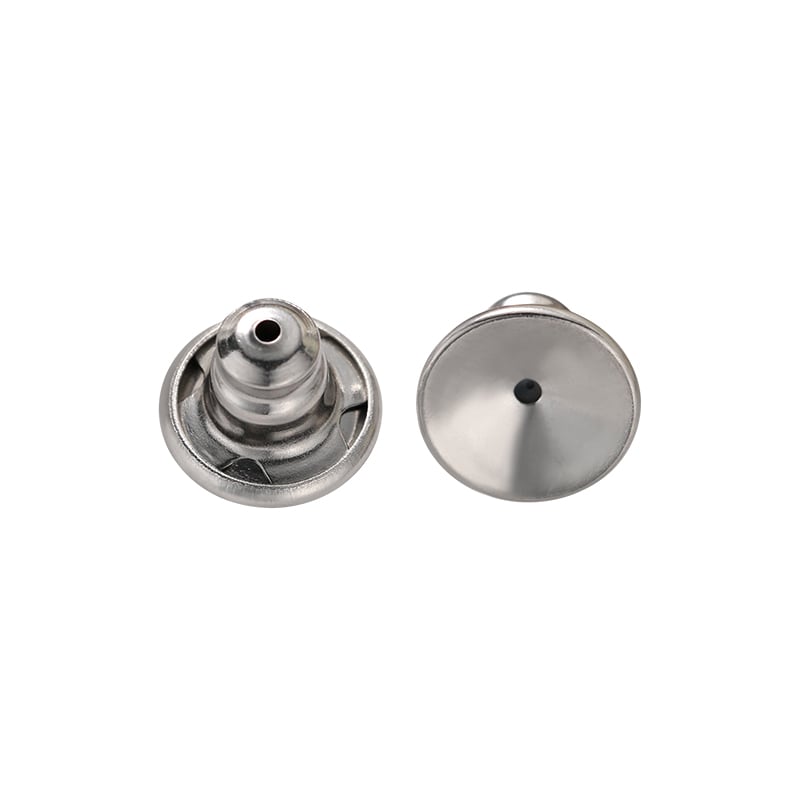
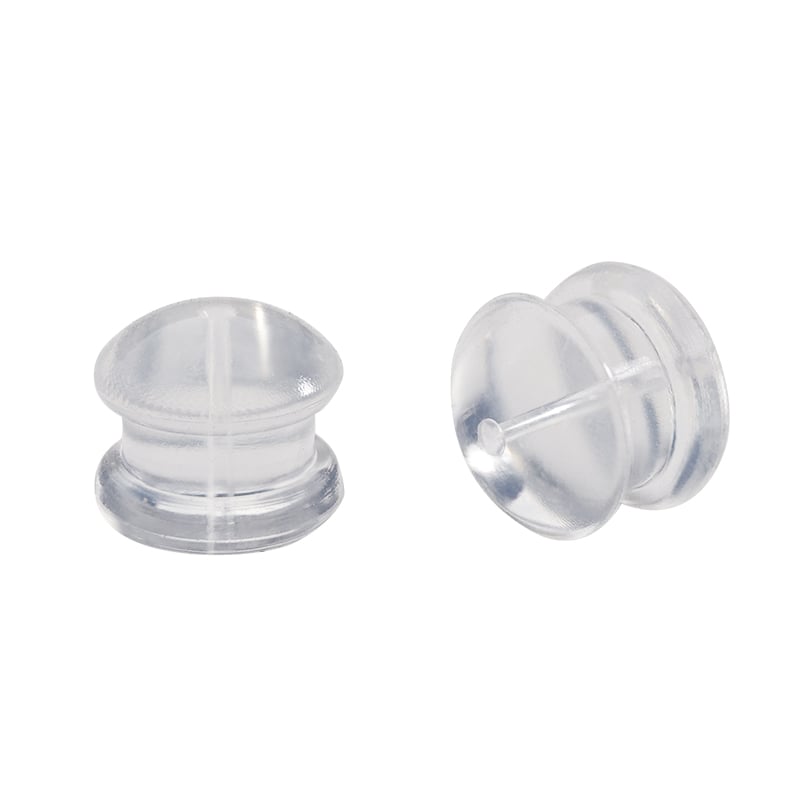
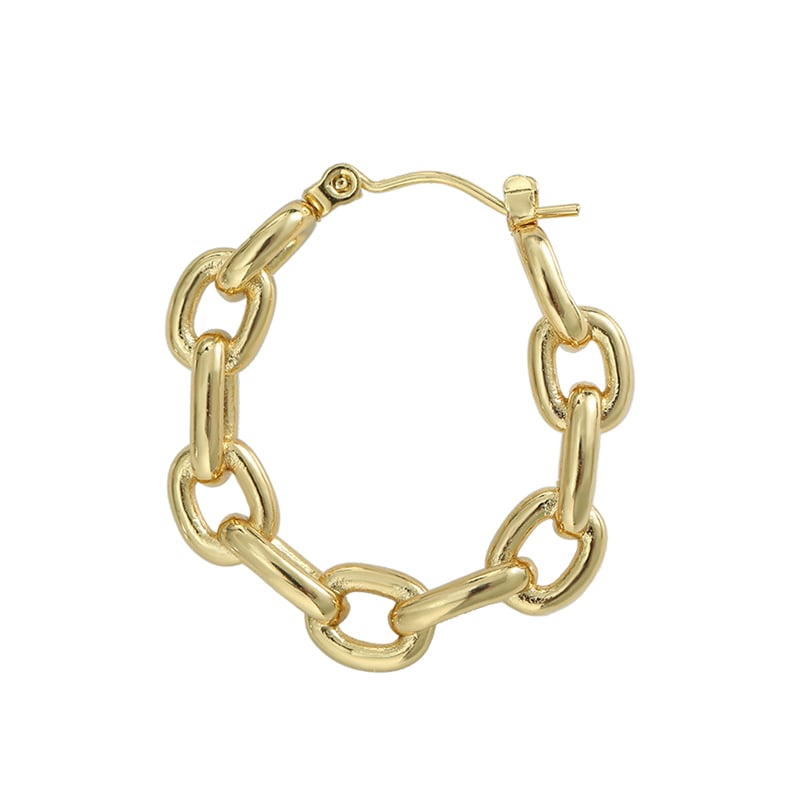
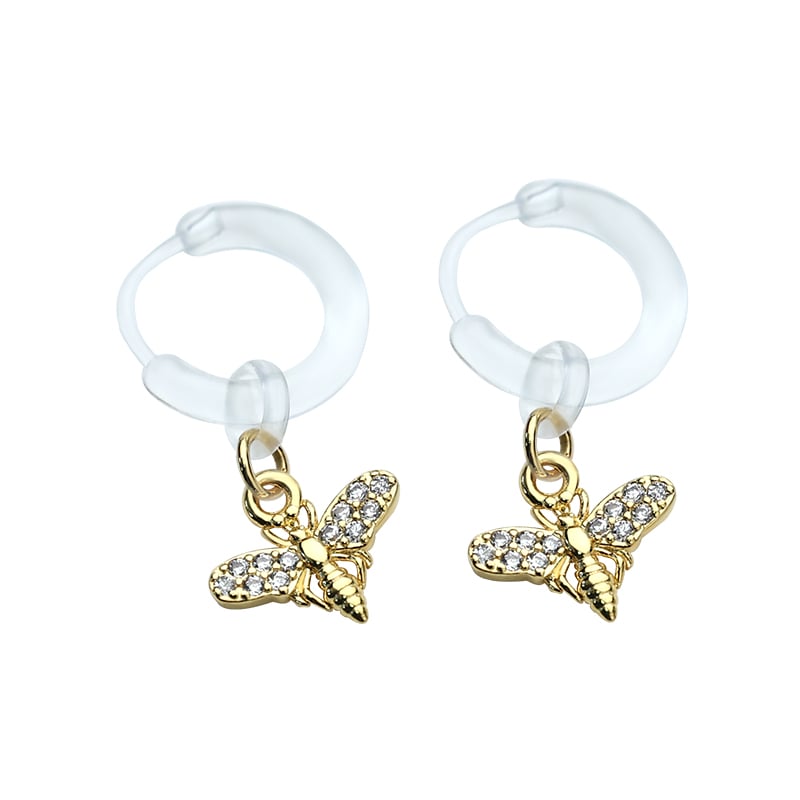
Customization Options: Many suppliers, including those offering ODM and OEM services, can tailor hair pins according to specific design requests, including color, branding, and packaging. This can enhance market appeal and align with brand identity. For instance, some customers opt for personalized designs like Gold Plated Decorative Earring Backs – 19 Flower Heart Butterfly Styles.
Quality Control Standards: Understanding the supplier's quality control processes is essential. Buyers should inquire about testing methods and inspection protocols to ensure that the hair pins meet their quality expectations before delivery.