Get a Free Quote

Our representative will contact you soon.
Email
Mobile
Name
Company Name
Message
0/1000
chain necklace stainless steel-0

Home > 

chain necklace stainless steel

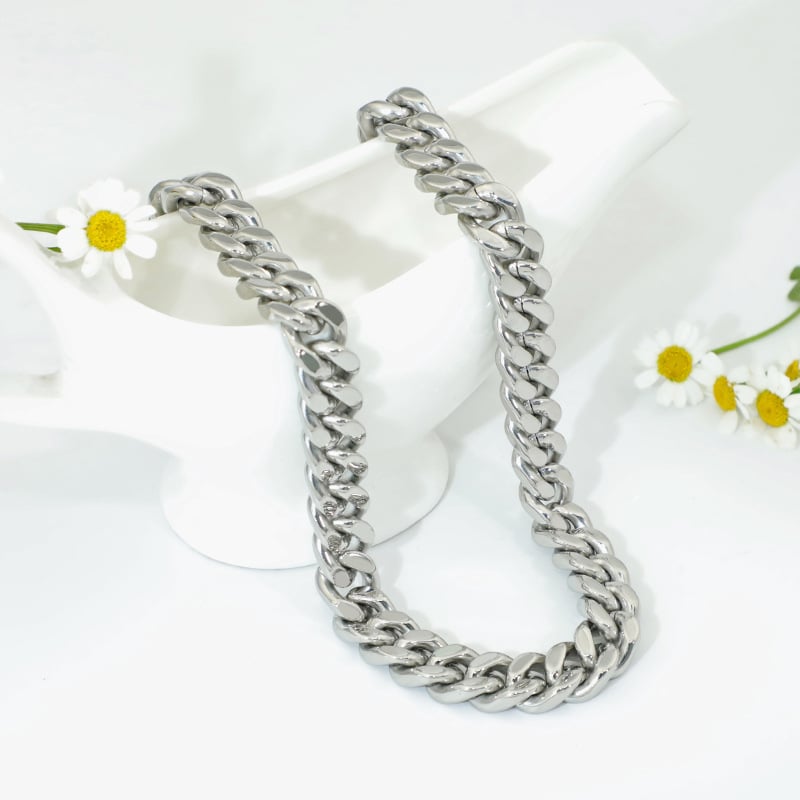
Stainless steel chain necklaces are  a  popular choice  for  jewelry manufacturers  due to their durability, aesthetic appeal, and versatility. As B2B buyers—including purchasing managers, distributors, and product managers—evaluate  options for  sourcing these  products, they  often  seek comprehensive information  regarding specifications,  manufacturing processes,  and cost factors. This article will  provide insights into the essential aspects of  stainless steel chain necklaces,  helping  you make  informed purchasing  decisions.
 
Comparing Cost Factors for Bulk Orders of Chain Necklaces

Comparing Cost Factors for Bulk Orders of Chain Necklaces

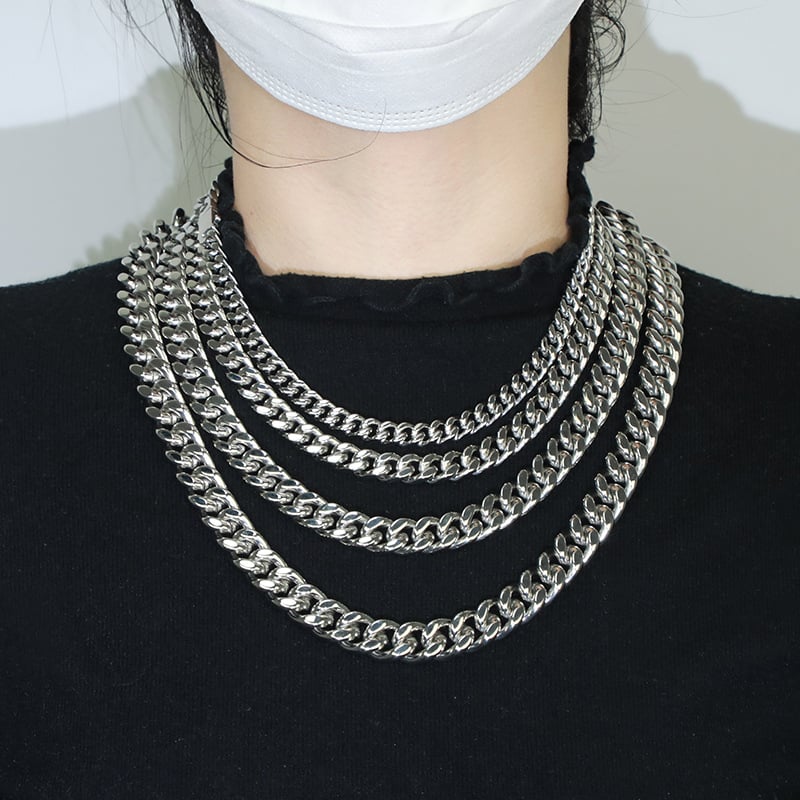
Cost is a significant  factor when purchasing chain necklaces in bulk. Various elements influence the final price,  and buyers should consider the following:

Material Costs: The price of 316 stainless steel fluctuates based on  market conditions. Buyers should stay informed about current prices and assess how material costs affect  their budget.

Production Volume: Generally, higher order quantities can lead  to lower per-unit costs due to economies of scale. Evaluating the  minimum order quantity (MOQ) with suppliers can help in negotiating better pricing.

Customization  Requirements: Tailored designs  and finishes may incur additional  costs. It is essential to outline specific  customization needs during negotiations to receive accurate quotations.

Lead  Time and Shipping: Longer lead times can  affect inventory costs and cash flow. Buyers should factor in potential shipping costs, especially for international  orders, which can vary based on destination and shipping methods.

Sample Approval: Before committing to bulk production, requesting samples can help ensure that the final product meets your quality expectations. However, this may also  add to initial costs.

By  carefully evaluating these cost factors, buyers can  develop a clear understanding of their budget and  make  informed decisions.
 
Common Problems with Chain Necklaces and Effective Solutions

Common Problems with Chain Necklaces and Effective Solutions

While stainless steel chain necklaces are generally durable, several common issues may arise during production and use.  Understanding these can help buyers address potential challenges  proactively:

Weak Links: Poorly manufactured links may break under stress. To  mitigate this, ensure that the manufacturer employs high-quality welding techniques and rigorous quality control measures.

Tarnishing: Although 316 stainless steel is resistant to corrosion, certain environmental factors can still  lead to tarnishing. Providing care instructions to end-users can help maintain the  product's appearance over time.

Sizing Issues: Incorrect sizing can  lead  to discomfort or dissatisfaction among customers.  It’s advisable to establish clear size  specifications and verify them through samples before  mass production.

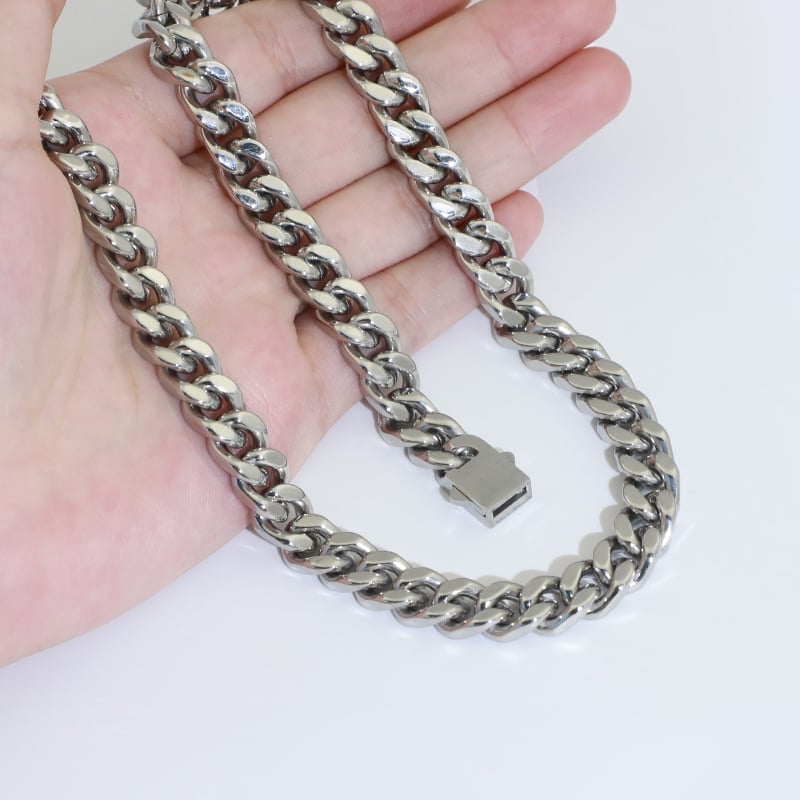
Clasp Failures: Inadequate clasp strength  can result in lost jewelry. Buyers should evaluate clasp mechanisms during the sampling phase and ensure that they meet  durability  standards.

Surface Imperfections: Scratches or blemishes can detract from the product's quality. Collaborating with a  manufacturer that has  a robust quality assurance process can minimize these issues.


By identifying common problems and  implementing  effective solutions, buyers can enhance product  reliability and customer satisfaction.

 
Benefits of 316 Stainless Steel in Chain Necklace Manufacturing

Benefits of 316 Stainless Steel in Chain Necklace Manufacturing

Choosing 316 stainless steel for chain necklaces comes with multiple advantages that cater to both manufacturers and consumers:

Corrosion Resistance: 316 stainless steel  is highly resistant to rust and corrosion, making it suitable for various  environments.  This longevity appeals to consumers who prioritize durability.

Hypoallergenic Properties: Unlike some other metals, 316 stainless steel is  less likely to cause  allergic  reactions, making it a popular  choice for sensitive skin.

Aesthetic Appeal: The  natural shine  and polish  of stainless steel enhance the visual appeal of jewelry. Buyers can choose from various finishes to  meet market trends.


Ease of Maintenance: Stainless steel  requires minimal maintenance  compared to other materials. Simple cleaning with soap and water can keep the jewelry  looking new.

Sustainability: As a recyclable material, stainless steel aligns with eco-friendly practices increasingly  valued by consumers  and businesses alike.


These benefits make 316  stainless steel a favorable choice for producing high-quality chain necklaces that meet both functional and aesthetic demands.


Understanding the Manufacturing Process of Stainless Steel Necklaces

The manufacturing process of stainless  steel chain necklaces involves several critical steps,  ensuring the final product meets quality and design standards:

Material Preparation: Raw materials are sourced and prepared, with 316 stainless steel being cut into the required sizes for links.

Link Formation: Links are formed using advanced machinery designed for precision. This phase may involve bending, shaping, and welding to create durable connections.

Finishing Techniques: After link formation, necklaces undergo surface  treatments,  including polishing and coating. These steps enhance durability and visual  appeal.

Quality Control: Rigorous testing is conducted at various stages of production to ensure that specifications are met. This includes checking for  strength, surface quality,  and clasp functionality.

Packaging: Finally, products are packaged  for shipment. Proper  packaging is essential to prevent damage  during transit and maintain the  integrity of the product.

Understanding this manufacturing  process allows buyers to assess the capabilities of potential suppliers and ensure they  meet  quality  standards  for their chain necklaces.

By  addressing these  aspects, potential buyers can make informed decisions when sourcing stainless steel chain necklaces, ensuring they choose a  supplier capable of meeting their  specific needs and expectations.

Top Specifications for Durable Stainless Steel Chain Necklaces

When considering stainless steel chain  necklaces, several key specifications are crucial for ensuring  product quality and performance.

Material Composition: The primary  choice for durability is 316 stainless steel, known for its corrosion resistance and strength. This material  is ideal for jewelry that may be exposed to moisture and  various environmental conditions.

Chain Thickness and Width: The  thickness  of the chain links can impact  both durability and aesthetic appeal. A thicker chain offers greater  strength but may also affect the overall weight and comfort when worn. Buyers should evaluate the  intended use to  determine the  appropriate dimensions.

Link Design: The shape and interlinking method  of the chain links can influence flexibility and  design versatility. Options may include round, flat,  or custom shapes, which can be tailored to specific market demands. Additionally, incorporating unique designs such as Copper Waterdrop Earring Clip – Hinged Converter for Non-Pierced Ears can appeal to various consumer preferences.

Finish and  Surface Treatment: A polished or matte finish can enhance the necklace’s appearance. Surface treatments may also involve coatings that improve resistance to tarnishing, scratches, and wear.

Closure Mechanism: The type of clasp used (e.g., lobster clasp, toggle, or spring  ring) is essential for security and ease of use. Buyers  should confirm that the clasp is robust enough to withstand daily wear.

Understanding these specifications will allow  buyers to align their procurement strategies with market expectations and consumer preferences.

Frequently Asked Questions

What materials are used in this chain necklace?

Our chain necklace is made from 316 stainless steel; options may include eco-friendly brass, resin, or silicone components per design.
Yes. 316 stainless steel is corrosion-resistant and generally hypoallergenic, reducing skin irritation for most wearers.
Yes. We offer flexible OEM and ODM services, including custom designs, finishes, and packaging to meet buyer specifications.
Our production complies with ISO9001 and meets CE, REACH, and RoHS standards for quality and safety.
We provide fast sampling and quick delivery thanks to our self-operated factory and advanced in-house production equipment.

Get a Free Quote

Our representative will contact you soon.
Email
Mobile
Name
Company Name
Message
0/1000

Related product categories