Get a Free Quote

Our representative will contact you soon.
Email
Mobile
Name
Company Name
Message
0/1000
stainless steel chain-0

Home > 

stainless steel chain

Stainless steel chains  are essential components  in various  applications, from  jewelry  and fashion accessories to  industrial uses. As a B2B buyer, understanding the intricacies of stainless steel chains—such  as material quality, specifications, and  supplier  reliability—is crucial  for  making informed purchasing decisions. This  article will  explore  key considerations for selecting the right stainless steel chain, the  specifications to be aware of for  bulk  orders,  quality factors to  evaluate, sourcing  reliable suppliers, and common issues to watch for.
Understanding the Specifications of Stainless Steel Chains for Bulk Orders

Understanding the Specifications of Stainless Steel Chains for Bulk Orders

When placing  bulk orders  for stainless steel chains, it’s  essential to understand various specifications that affect both performance and pricing. Key specifications include:

Material Grade: As  mentioned, 316 stainless steel is often preferred for its durability  and corrosion resistance. For applications requiring flexibility, 304  stainless steel can be considered, though it is  less resistant to  corrosion.

Chain Dimensions: Measure the width and thickness of the chain  links. For example, a 4mm thick chain may be  suitable for medium-duty applications, while a 10mm chain is better suited for heavy-duty industrial uses.

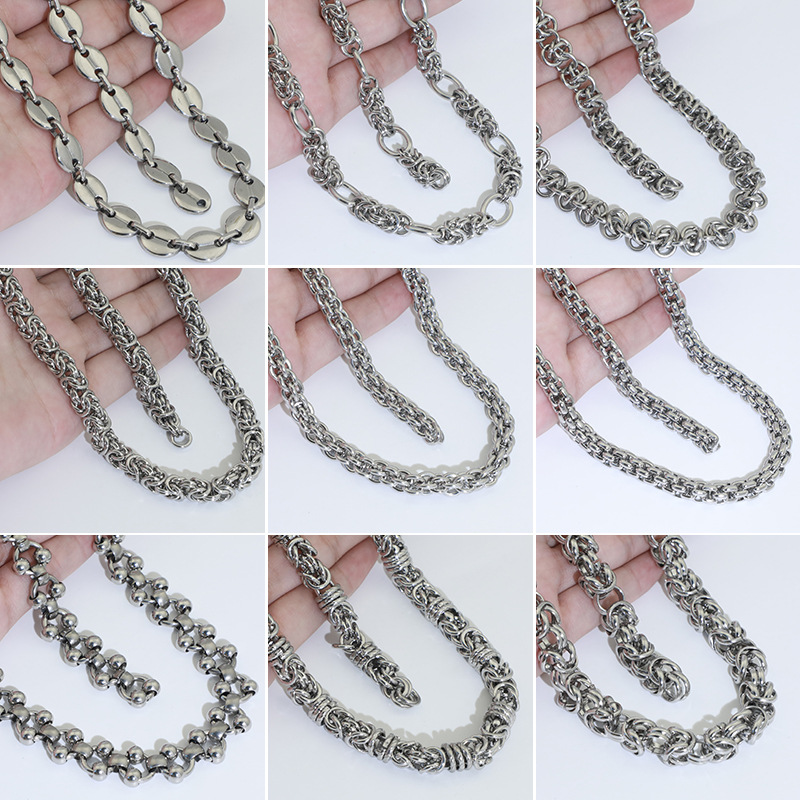
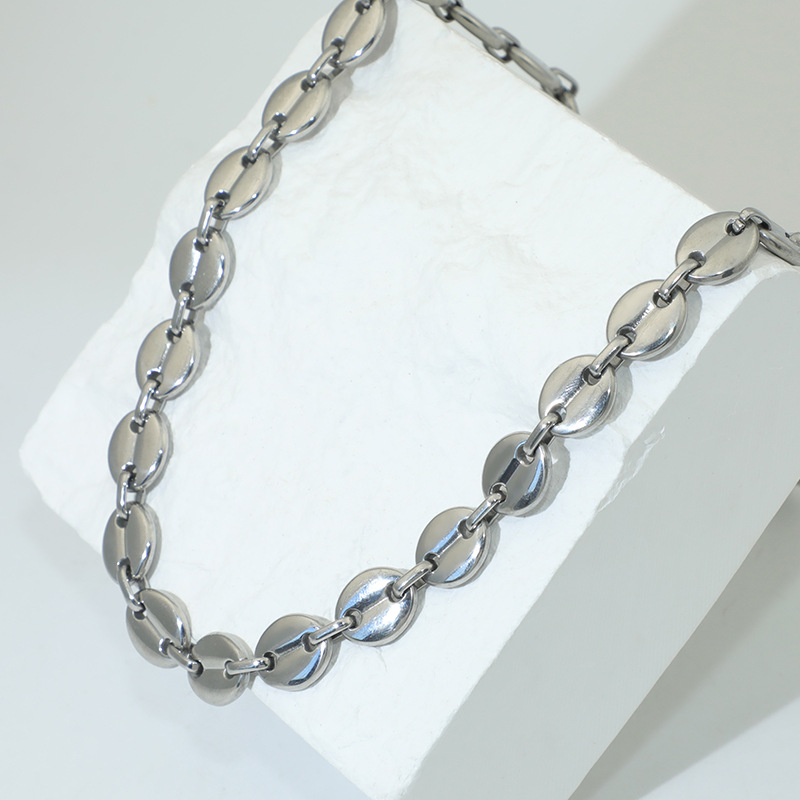
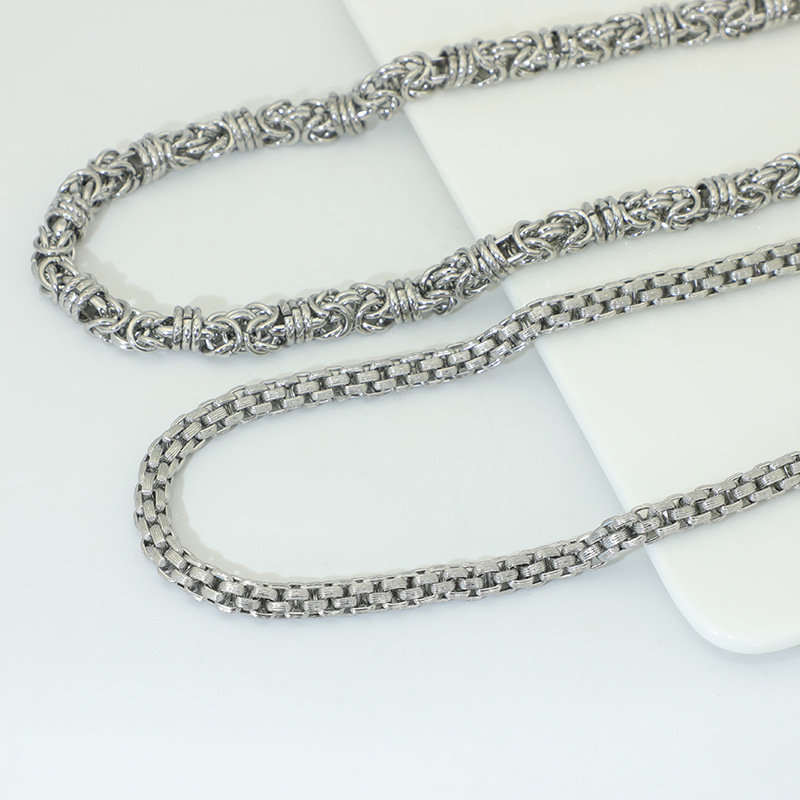
Link Shape: The design of  the link—whether round, oval,  or flat—affects both aesthetics and functionality. Flat links may provide a more polished look for jewelry, while round links are typically stronger.

Finish: The surface finish can impact  corrosion resistance and appearance. A  brushed finish could  offer a  more subtle aesthetic, whereas a shiny finish  may be suitable for decorative uses.


Understanding these specifications helps in evaluating supplier offerings and ensuring the chains meet  the desired  performance criteria.
Key Quality Factors to Consider When Buying Stainless Steel Chains

Key Quality Factors to Consider When Buying Stainless Steel Chains

Quality assurance is vital when procuring stainless steel chains. Here are the key factors to consider:

Certifications: Verify  that the supplier holds relevant certifications, such as ISO9001,  which indicates adherence to quality management standards.  This can provide assurance of consistent production quality.

Patents and Innovations: Look for  companies with patents on  their manufacturing  processes, as this often indicates a commitment to innovation  and quality  improvement.

Manufacturing  Capabilities: Assess whether the manufacturer uses advanced equipment and techniques that facilitate precise production. This  can affect the consistency and reliability of the  chains.

Quality Control Processes: Inquire about the quality control measures in  place. For example, do they conduct  regular inspections and testing of raw materials and finished  products? Consistent  testing  can help prevent defects and ensure product longevity.

Sample Approval: Before  mass production, always request a sample. This allows for evaluation of dimensions, appearance, and overall quality, helping to avoid costly mistakes  down  the line.

 
Where to Source Reliable Suppliers for Stainless Steel Chains

Where to Source Reliable Suppliers for Stainless Steel Chains

Sourcing reliable suppliers for stainless  steel chains can be challenging.  Here are  practical  steps to identify  trustworthy manufacturers:


Industry Directories: Utilize industry-specific directories and trade platforms to find manufacturers with a  proven track record in stainless  steel production.

Trade Shows:  Attend trade shows to meet suppliers in person. This can provide insights into  their capabilities and product range, as well as an opportunity for face-to-face discussions.

References and Reviews: Reach  out to existing customers for references. Positive feedback from  other  businesses can be a strong indicator  of supplier  reliability.

Factory Visits: If possible, visit the  supplier’s manufacturing facility. This  will give you a firsthand look at their production processes and quality control measures.

Request Quotes: Give detailed specifications when requesting quotes. This will help you  compare pricing accurately and assess the supplier's  understanding of your  needs.

Common Problems with Stainless Steel Chains and Effective Solutions

While stainless steel chains are generally reliable, certain issues may arise during their use. Here are common problems and their solutions:

Corrosion: Even stainless steel can corrode under certain conditions. Ensure that the proper grade of stainless steel is selected for the environment. For instance, 316 stainless steel is ideal for marine applications due to its enhanced resistance to  saltwater.

Weak Links: Over time, links may weaken, especially under heavy loads. Regular inspections  should  be  conducted to identify any signs  of wear or fatigue. Replace any compromised links promptly to avoid failure.

Tarnishing: Stainless steel can tarnish if not properly maintained. Regular  cleaning with a soft cloth and mild soap can  help  maintain its appearance. Avoid abrasive cleaners that could scratch the surface.

Improper Fit: When chains are used in  specific applications,  such as jewelry, ensuring the  correct size is crucial. Always confirm  dimensions before finalizing  orders to avoid compatibility issues.

By being aware of these potential problems and their solutions, buyers can  ensure optimal performance and longevity of  their stainless steel chains.

Through careful consideration of these factors, B2B buyers can  make informed decisions when sourcing stainless steel chains, ensuring that they  meet  both  functional and  aesthetic requirements for their respective applications.

How to Choose the Right Stainless Steel Chain for Your Needs

Selecting  the appropriate stainless  steel  chain begins with understanding the specific application requirements. Consider the environment in  which the chain will be used. For instance, if the chain is intended for  outdoor use,  it  should have a corrosion-resistant finish, such as a polished  or passivated  surface.

Next, evaluate the chain's dimensions—length, width, and thickness. These specifications directly affect strength and flexibility. For  instance, a  thicker chain may  be necessary for heavy-duty  applications, while a thinner chain may suffice for delicate jewelry.


Material quality is  another key factor; opting for 316 stainless  steel is advisable for its  superior corrosion resistance compared to other grades. This grade is particularly important in marine environments or where  exposure  to harsh chemicals is a concern.

Lastly, consider any customization needs. Many suppliers offer options for chain length, finish, and even the inclusion of additional components, such as clasps or connectors, tailored  to your application.

Frequently Asked Questions

What material is this stainless steel chain made of?

Our stainless steel chain is made from 316 stainless steel, offering superior corrosion resistance and durability for daily wear.
Yes. 316 stainless steel is hypoallergenic and skin-friendly. We also follow REACH and RoHS standards to ensure safety.
Yes. We offer flexible OEM/ODM services with custom lengths, finishes (polished, matte, plated) and design adjustments to meet your specifications.
We provide fast sampling and quick delivery. Typical sample lead time is days; bulk orders depend on quantity but are expedited by our in-house production.
Yes. Our factory holds ISO9001 and we comply with CE, REACH, and RoHS. In-house inspections and quality control are performed throughout production.

Get a Free Quote

Our representative will contact you soon.
Email
Mobile
Name
Company Name
Message
0/1000

Related product categories