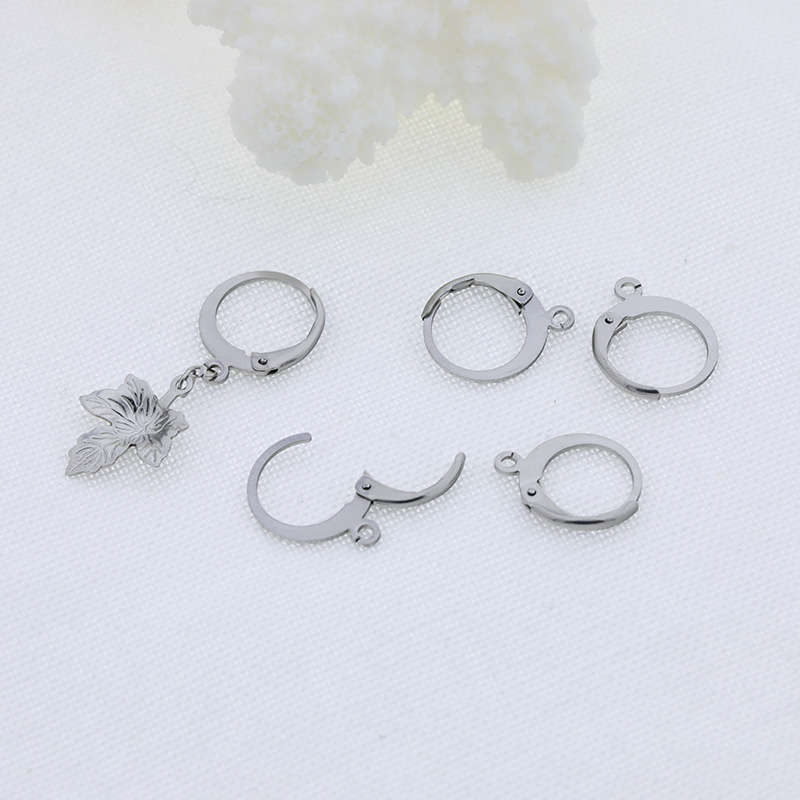
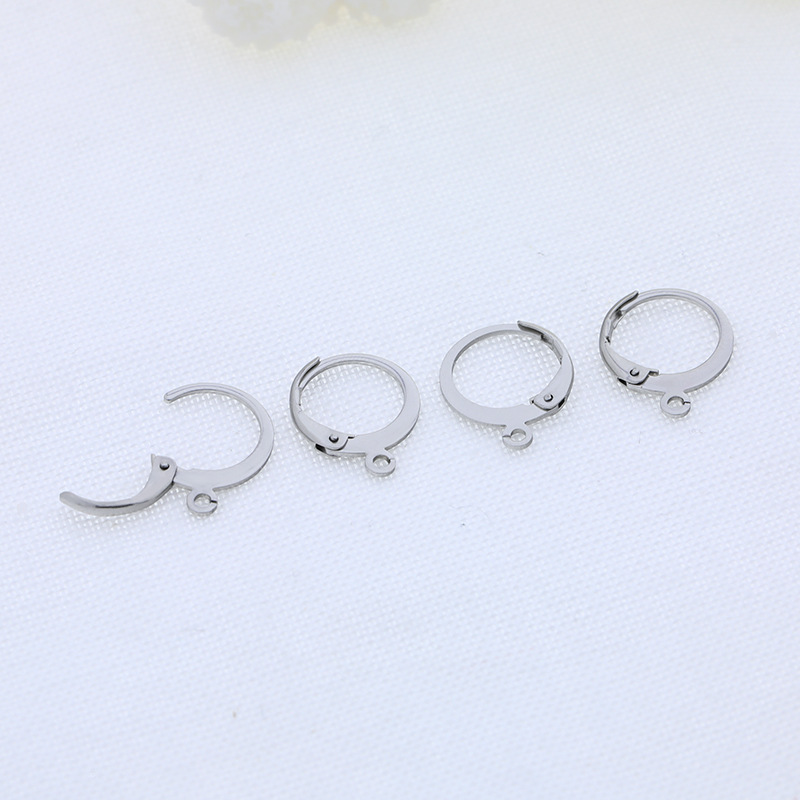
Earring hardware is a critical component in the jewelry-making industry, influencing both the aesthetic appeal and functional integrity of the final product. As a B2B buyer in this sector, your main concerns revolve around quality, material selection, customization options, and cost efficiency. This article will guide you through essential considerations when evaluating earring hardware, helping you make informed purchasing decisions that align with your project requirements.
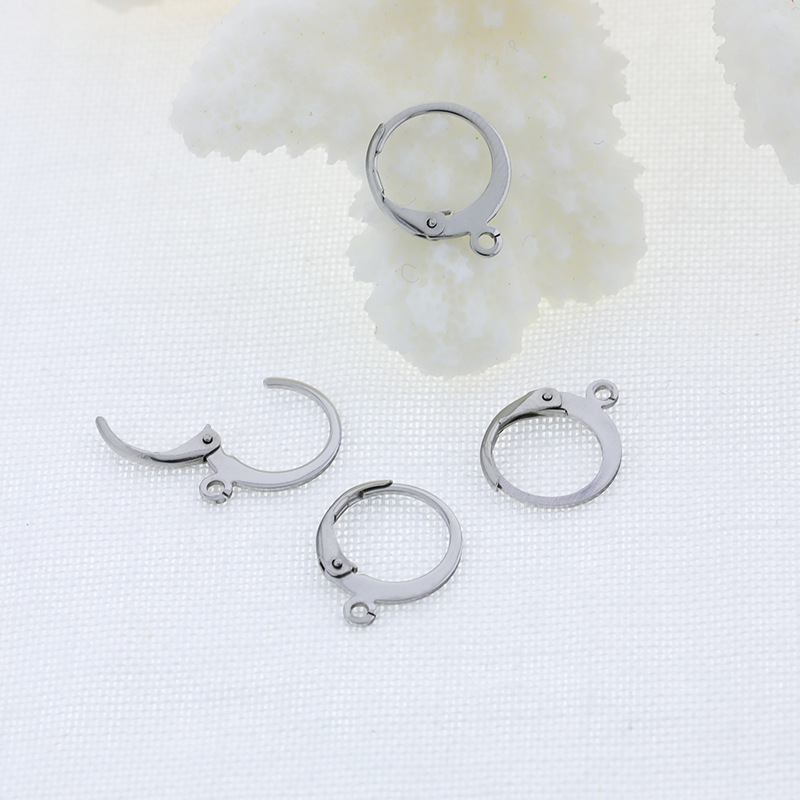
Comparing Material Advantages of Earring Hardware Options
When selecting earring hardware, understanding the advantages of different materials is essential:
316 Stainless Steel: This is highly recommended for its strength and resistance to tarnishing and corrosion. It is particularly suitable for those looking to cater to customers with sensitive skin, as it is hypoallergenic.
Eco-Friendly Brass: Brass offers a warm, vintage look preferred in many jewelry designs. It is easily moldable and can be plated with other materials for enhanced appearance. However, brass can tarnish over time, so consider how the design will be maintained.
Resin and Silicone: These materials are often used for lightweight designs and can be molded into various shapes and colors. They are ideal for more artistic or trendy pieces where flexibility in design is key.
Customization Potential: Discuss with your supplier about the possibility of customizing hardware materials to align with your brand's image or specific customer preferences. This might include unique finishes or colors that can differentiate your products in a competitive market, such as the Gold Plated CZ Ear Hook Earrings – 17+ Dangle Designs Wholesale Collection.