Get a Free Quote

Our representative will contact you soon.
Email
Mobile
Name
Company Name
Message
0/1000
hypoallergenic stud earrings-0

Home > 

Hypoallergenic stud earrings

Hypoallergenic stud earrings are a popular choice for consumers seeking stylish and safe jewelry options. These earrings are designed to minimize allergic reactions, making them ideal for those with sensitive skin. For B2B buyers, including purchasing managers and distributors, understanding the specifications, materials, and potential challenges associated with hypoallergenic stud earrings is essential for making informed purchasing decisions. This article will guide you through the key aspects that affect the selection and procurement of hypoallergenic stud earrings.

Our Products

Choosing the Right Materials for Hypoallergenic Stud Earrings

Material selection is critical in the production of Kulana hypoallergenic earrings. The primary materials used include: 

316 Stainless Steel: This high-quality alloy is resistant to tarnishing and corrosion. It is less likely to cause allergic reactions compared to other metals, making it a preferred choice for hypoallergenic jewelry. 

Eco-Friendly Brass: Often treated to reduce the risk of tarnishing, eco-friendly brass is a sustainable option. Buyers should confirm that the brass used is free from harmful chemicals and meets environmental standards. 

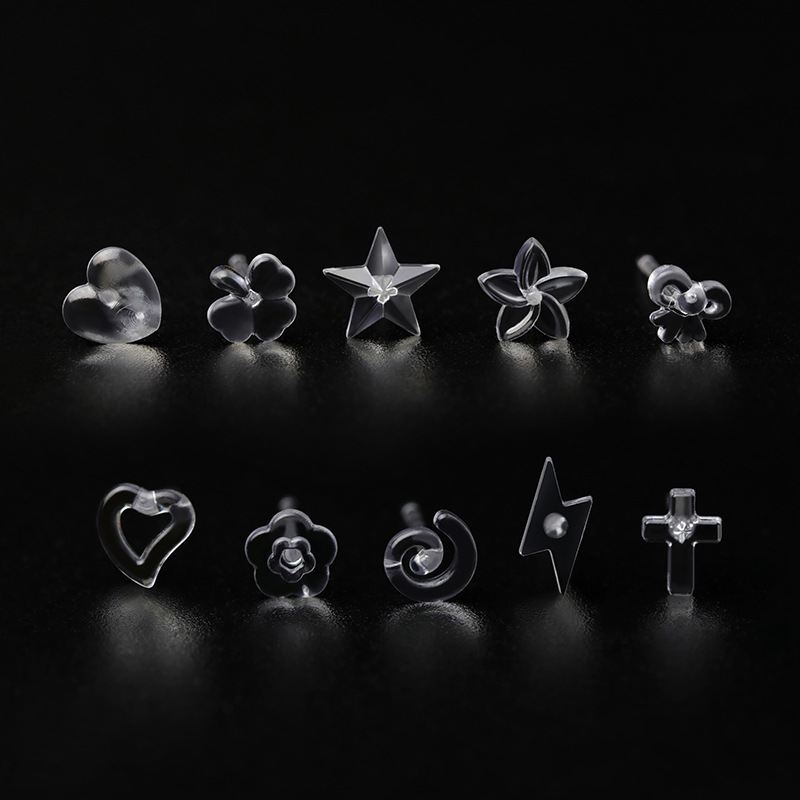
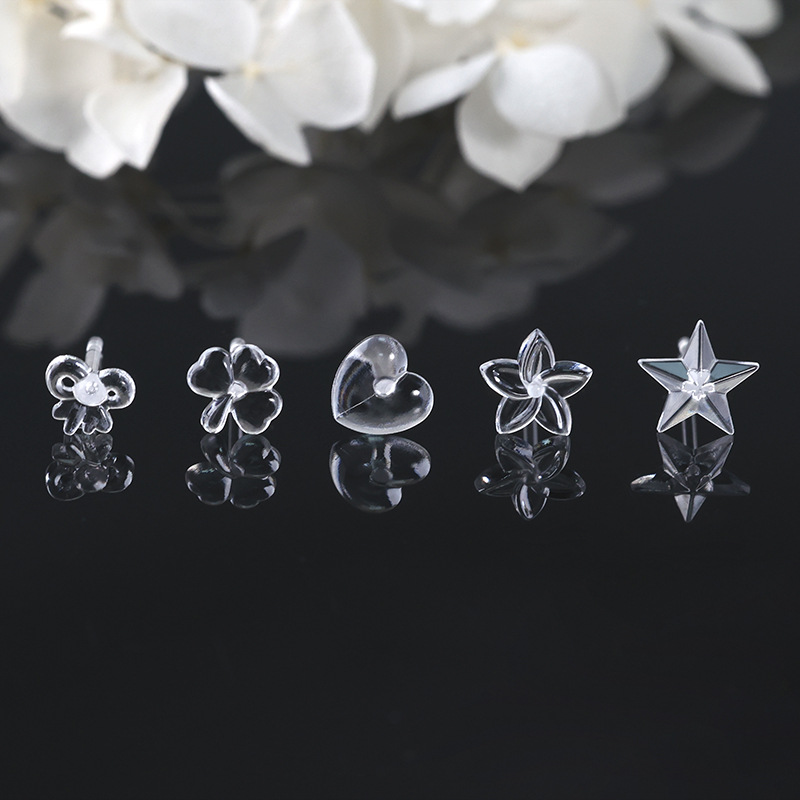
Resin and Silicone: These materials offer flexibility in design and can be crafted into various shapes and colors. They are inherently hypoallergenic, making them suitable for sensitive skin. 

Choosing the appropriate material involves considering the end-user's needs, including skin sensitivity and aesthetic preferences. Buyers should also verify certifications such as ISO9001, CE, REACH, and RoHS to ensure compliance with international standards.

Common Problems with Hypoallergenic Earrings and Their Solutions

While hypoallergenic stud earrings are designed to minimize allergic reactions, some common issues may arise: 

Skin Reactions: In rare cases, individuals may still experience sensitivity due to residual impurities or coatings. To mitigate this, manufacturers should ensure thorough testing of materials and consider hypoallergenic coatings. 

Durability Issues: Some materials may wear down over time, leading to exposure to allergens. Regular quality checks during production can help identify potential durability concerns. 

Design Limitations: Certain designs may not be feasible with hypoallergenic materials. Collaborating with experienced manufacturers can help buyers understand the design possibilities without compromising on material safety. 

Addressing these issues proactively helps maintain customer satisfaction and reduces the likelihood of returns. 

Cost Factors to Consider When Purchasing Hypoallergenic Stud Earrings

When evaluating the cost of Kulana hypoallergenic stud earrings, several factors come into play: 

Material Costs: The choice of materials significantly impacts pricing. For example, 316 stainless steel typically costs more than standard alloys, reflecting its quality and hypoallergenic properties. 

Production Volume: Bulk purchasing can lead to lower per-unit costs. Manufacturers often provide volume discounts, making it beneficial for buyers looking to stock inventory. 

Customization Options: Custom designs or variations may incur additional costs. Buyers should clarify the minimum order quantities (MOQ) for custom products and inquire about any setup fees. 

Shipping and Handling: International shipping can add to the overall cost. Buyers should consider logistics and choose suppliers with efficient shipping options to minimize expenses. 

Understanding these cost factors can aid buyers in budgeting for their purchases and negotiating favorable terms with suppliers.

What Buyers Need to Know

Before placing an order for Kulana hypoallergenic stud earrings, buyers should keep several key points in mind: 

Requesting Samples: It is advisable to request samples to verify quality, material, and comfort before committing to a larger order. Testing samples under actual wearing conditions can provide valuable insights. 

Specifications Confirmation: Buyers should confirm all specifications, including materials, sizes, and finishes, before finalizing orders. This helps prevent misunderstandings and ensures that the products meet customer expectations. 

Quality Assurance Processes: Understanding the manufacturer's quality control processes is crucial. Buyers should inquire about testing methods, certifications, and production practices to ensure compliance with industry standards. 

Lead Times: Buyers should discuss lead times and production capacity with manufacturers. This information is important for planning inventory and meeting customer demand. 

By addressing these considerations, buyers can streamline their purchasing process and establish successful partnerships with manufacturers like Dongguan Rongsheng Jewelry Co., Ltd, which offers extensive experience, certifications, and a commitment to quality in hypoallergenic jewelry production.

Key Specifications for Hypoallergenic Stud Earrings You Should Know

When considering hypoallergenic stud earrings, several specifications are crucial to their quality and performance. Key factors include: 

Material Composition: Hypoallergenic earrings are typically made from materials such as 316 stainless steel, eco-friendly brass, resin, and silicone. The choice of material directly impacts the wearer's comfort and skin compatibility. For example, 316 stainless steel is known for its corrosion resistance and durability, making it a popular choice for those with sensitive skin. 

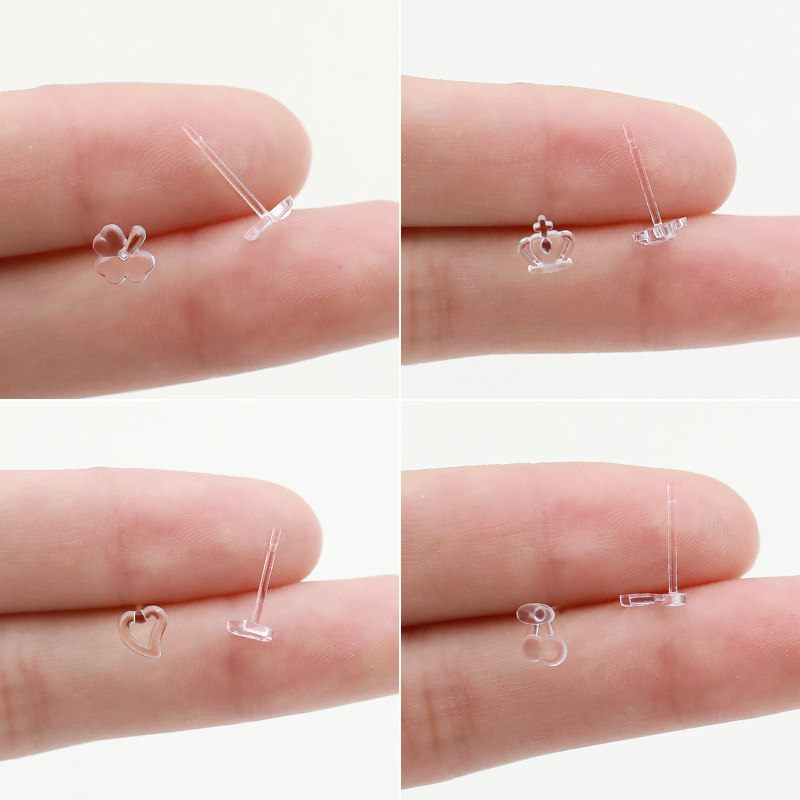
Size and Dimensions: The size of the earring sets, including the diameter of the stud and the length of the post, should be specified based on the target market's preferences. Standard dimensions typically range from 4mm to 10mm for the stud, but customization options are often available. 

Weight: Lightweight earrings are generally more comfortable for prolonged wear. Buyers should consider the weight of the earrings, especially if the design includes additional elements. 

Finish: The surface finish affects both aesthetics and comfort. A smooth, polished finish reduces irritation and enhances the earring's appeal. 

Understanding these specifications allows buyers to select products that meet customer expectations and reduce return rates.

Get a Free Quote

Our representative will contact you soon.
Email
Mobile
Name
Company Name
Message
0/1000

Related product categories