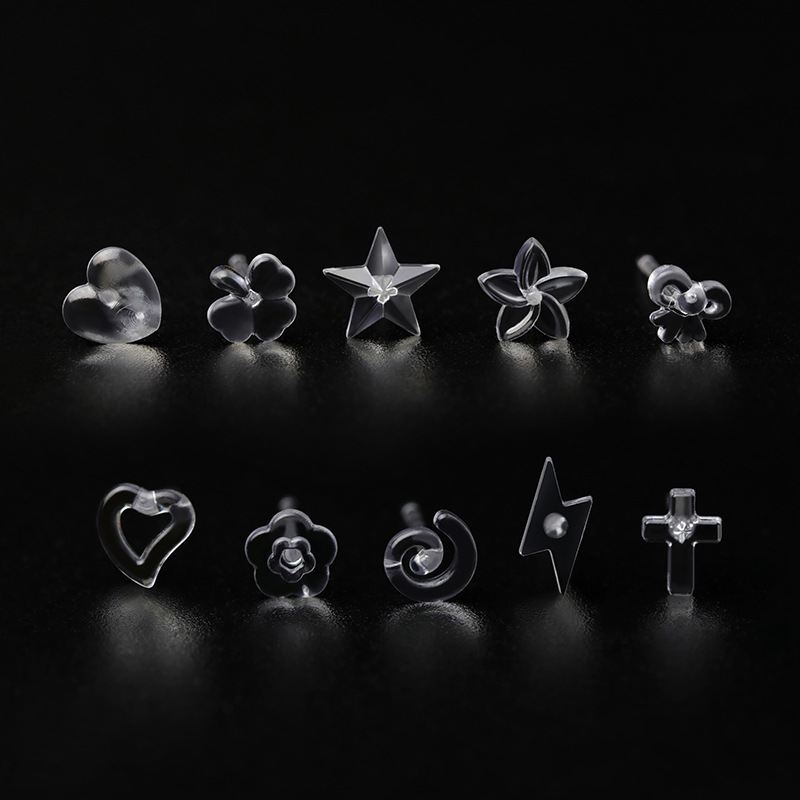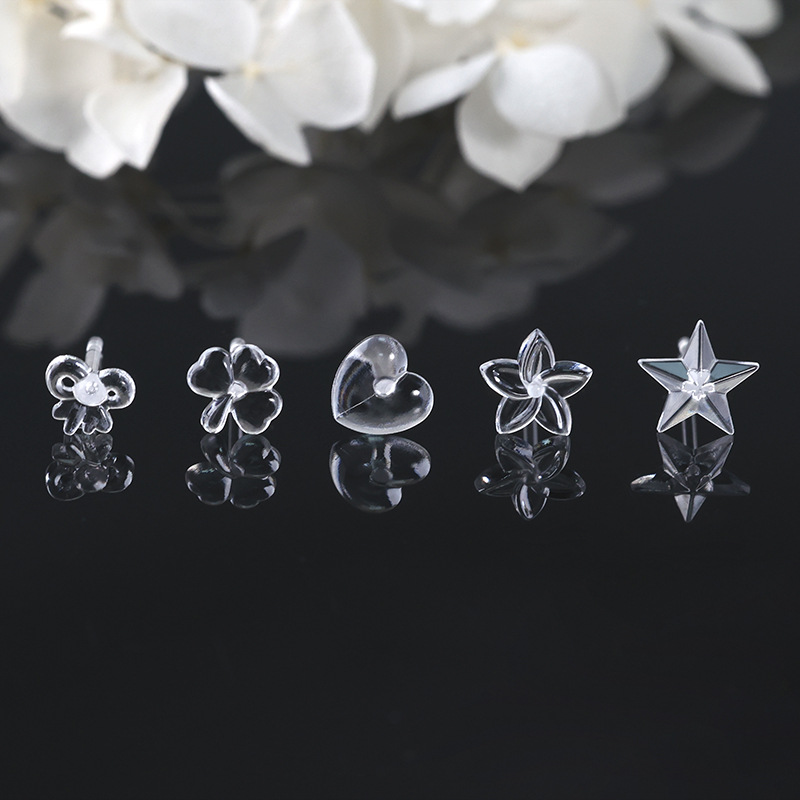
Les arracades d'orella hipoal·lèrgiques són una opció molt popular entre els consumidors que busquen joies elegants i segures. arracades estan dissenyades per minimitzar les reaccions al·lèrgiques, cosa que les fa ideals per a persones amb la pell sensible. Per als compradors B2B, incloent-hi els responsables de compres i els distribuïdors, comprendre les especificacions, els materials i els reptes potencials associats a les arracades d'orella hipoal·lèrgiques és essencial per prendre decisions de compra informades. Aquest article us guiarà pels aspectes clau que afecten la selecció i l’adquisició d’arracades d'orella hipoal·lèrgiques.
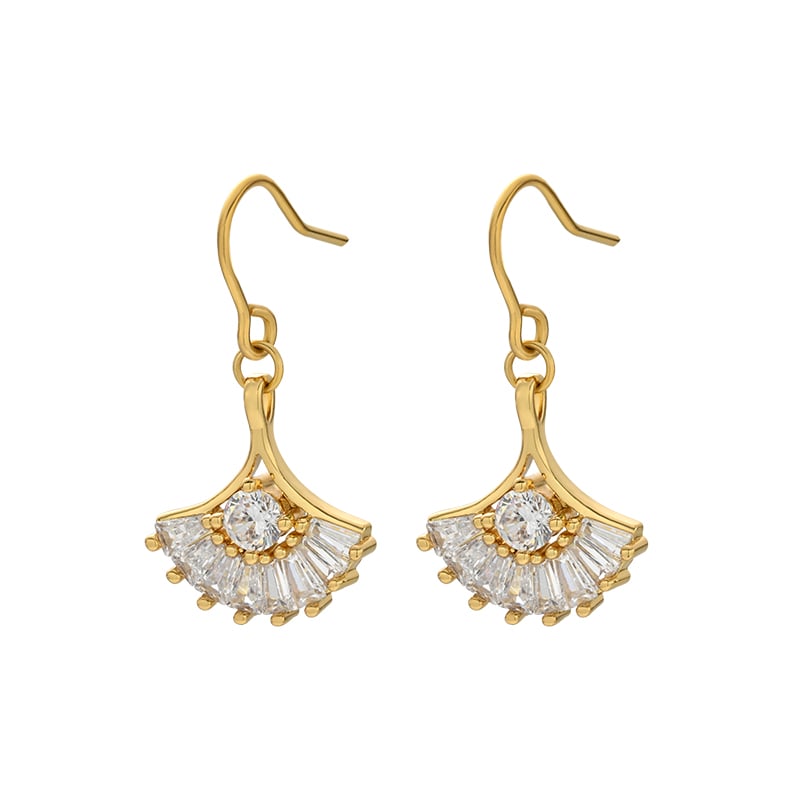
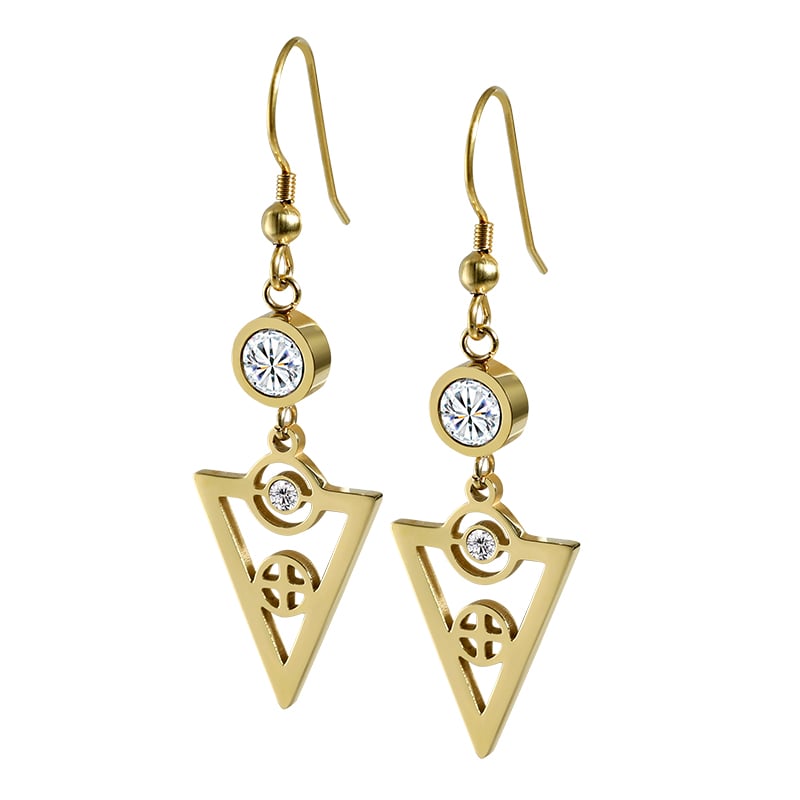
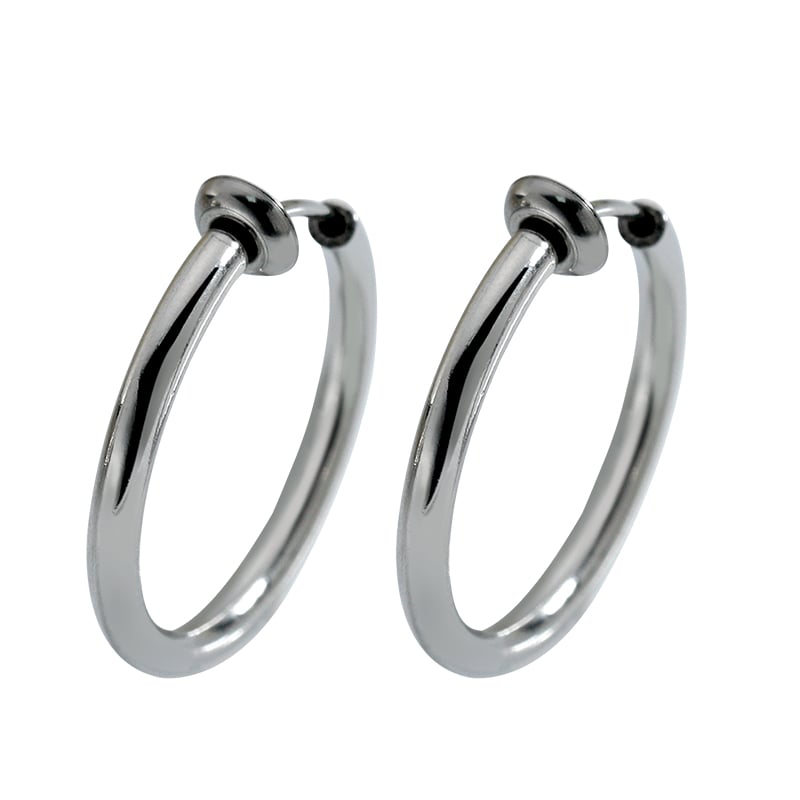
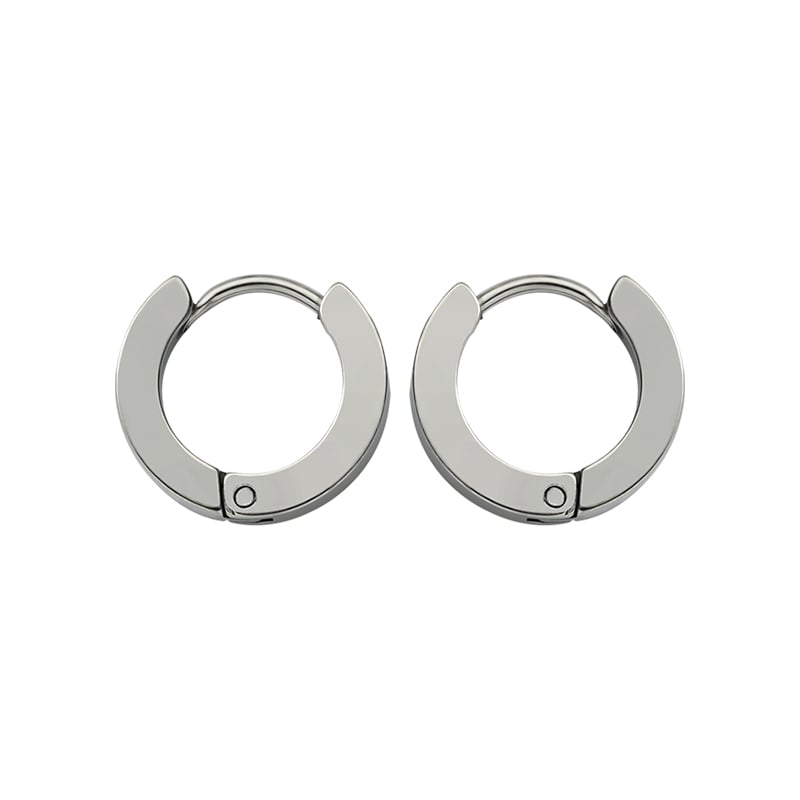
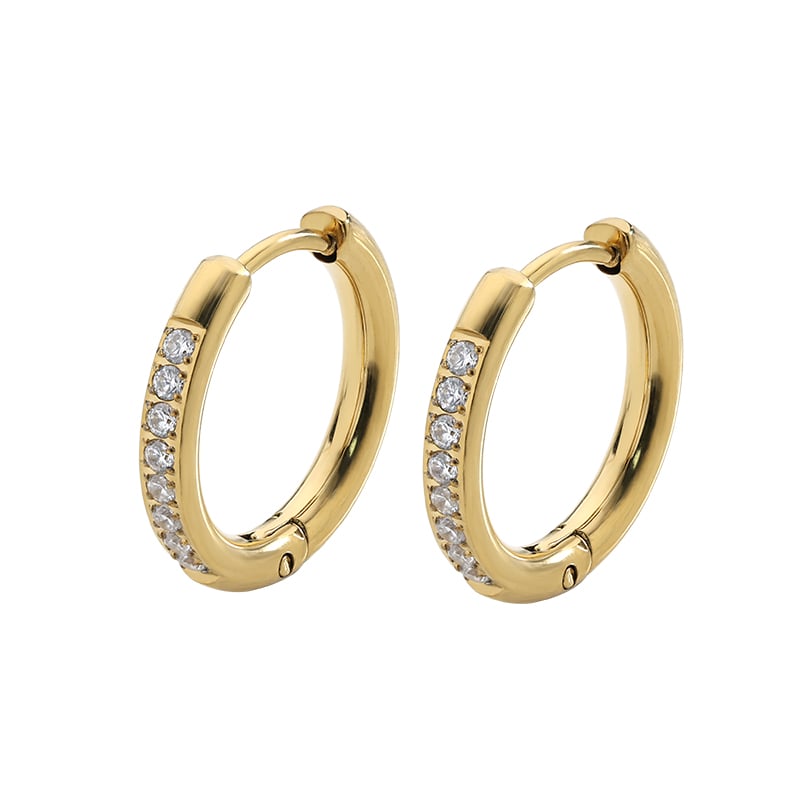
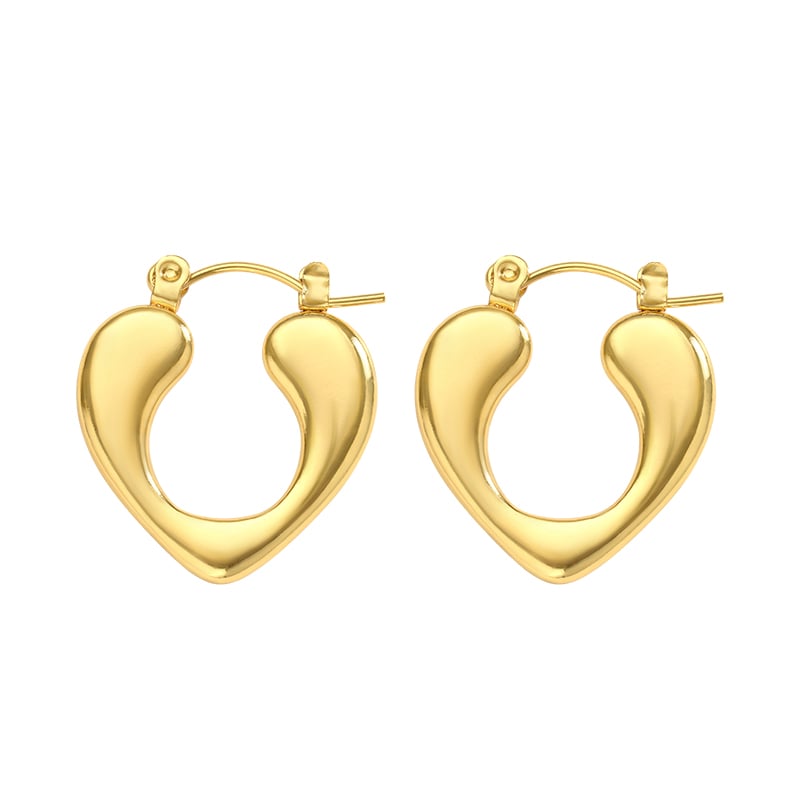
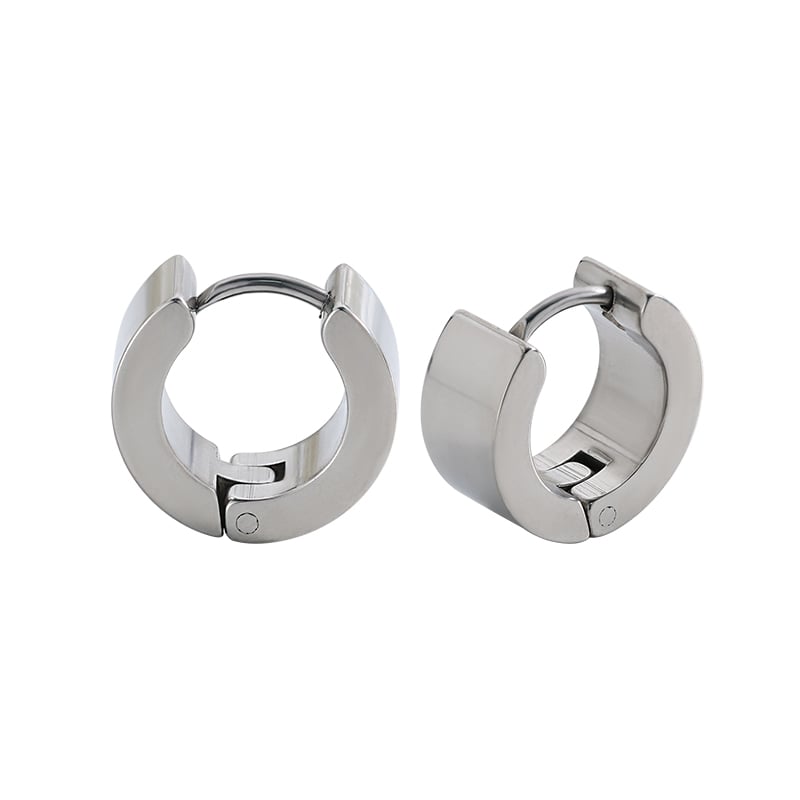
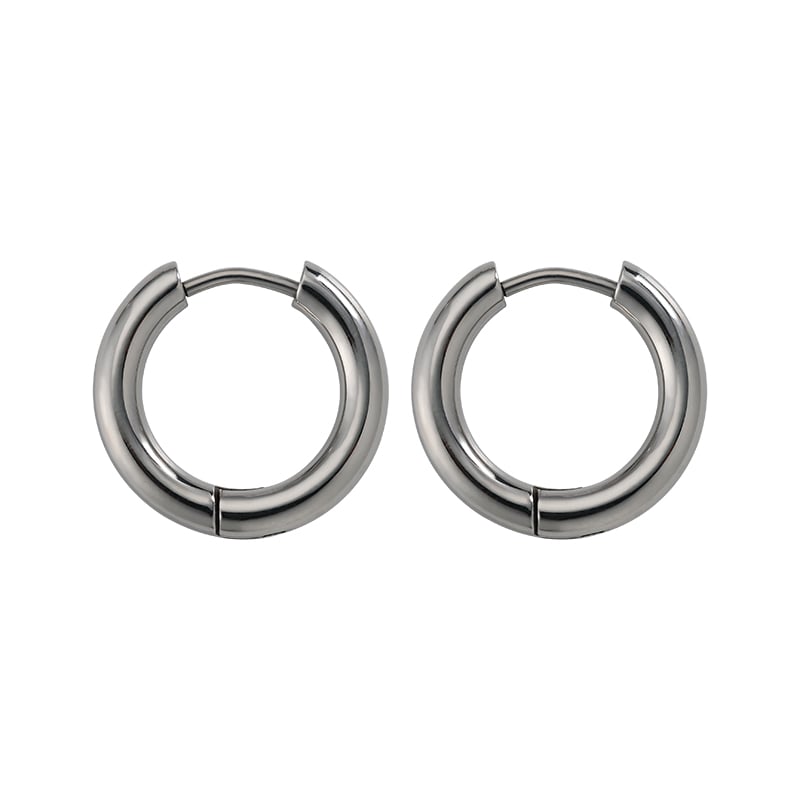
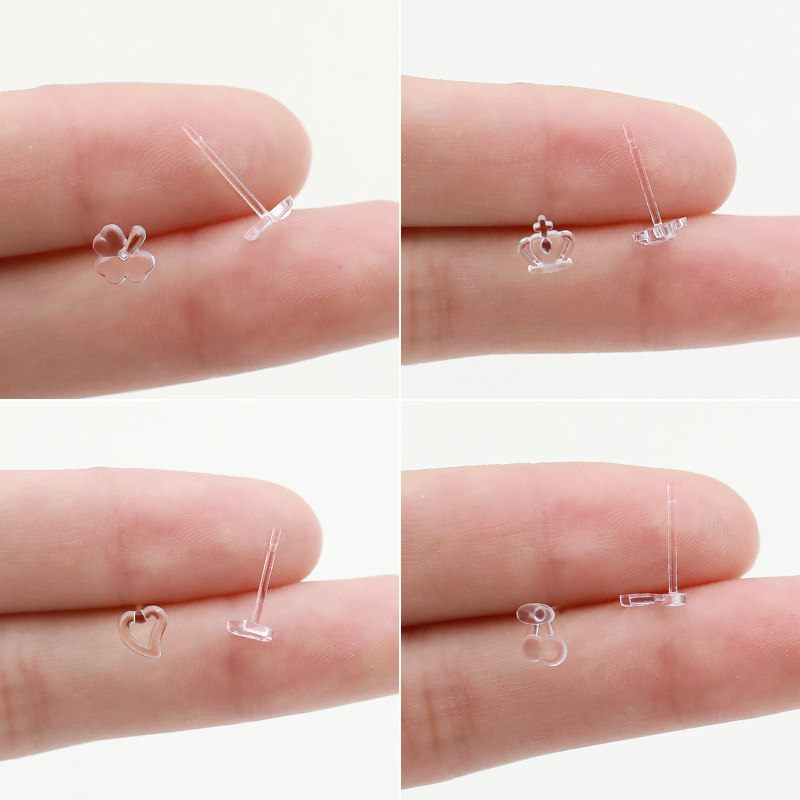
Com triar els materials adequats per a les arracades de ganxet hipoal·lèrgiques
La selecció del material és fonamental en la producció dels penjolls hipoal·lèrgics Kulana. Els materials principals utilitzats inclouen:
acero Inoxidable 316 aquesta aliatge d'alta qualitat resisteix l'oxidació i la corrosió. És menys probable que provoqui reaccions al·lèrgiques en comparació amb altres metalls, cosa que el converteix en una opció preferida per a joieria hipoal·lèrgica.
Llauna ecològica sovent tractada per reduir el risc d'oxidació, la llauna ecològica és una opció sostenible. Els compradors han de confirmar que la llauna utilitzada està lliure de substàncies químiques perilloses i compleix les normes mediambientals.
Resina i silicona aquests materials ofereixen flexibilitat en el disseny i es poden treballar en diverses formes i colors. Són inherentment hipoal·lèrgics, cosa que els fa adequats per a pells sensibles.
Trieu el material adequat tenint en compte les necessitats de l'usuari final, incloent la sensibilitat cutània i les preferències estètiques. Els compradors també haurien de verificar certificacions com ara ISO9001, CE, REACH i RoHS per assegurar-se que es compleixen les normes internacionals.