Get a Free Quote

Our representative will contact you soon.
Email
Mobile
Name
Company Name
Message
0/1000
hypoallergenic jewelry-0

Home > 

Hypoallergenic jewelry

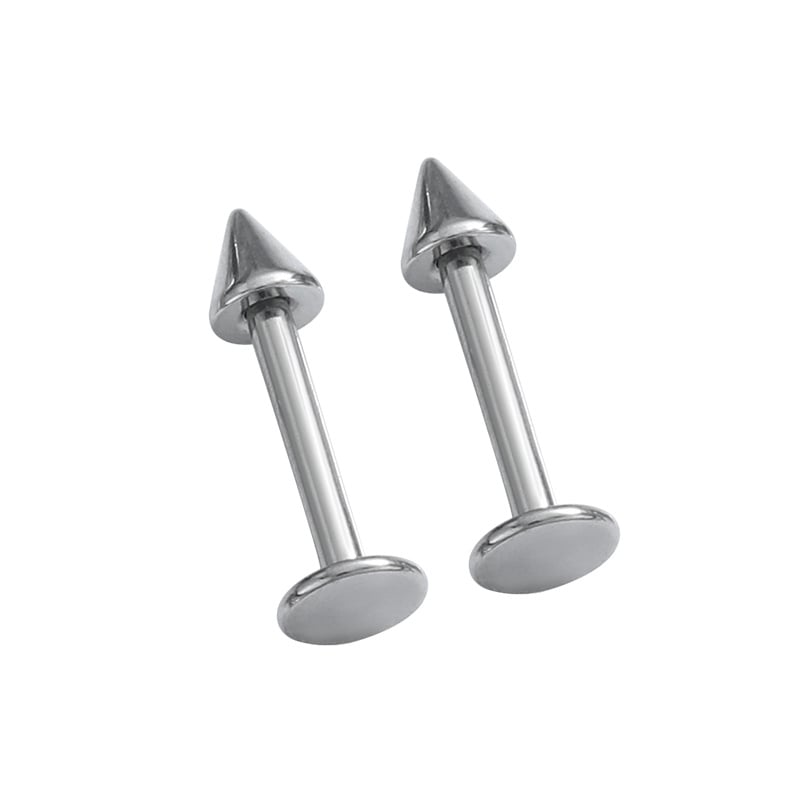
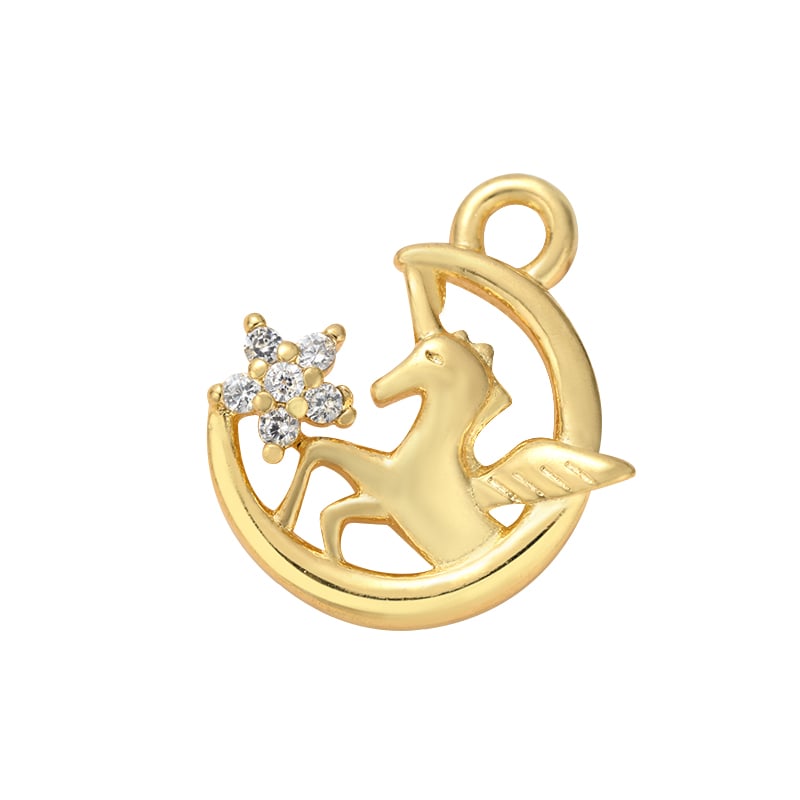
Hypoallergenic jewelry is increasingly sought after in the B2B marketplace, especially among retailers and distributors catering to consumers with sensitive skin. This type of jewelry is crafted from materials that minimize the risk of allergic reactions, making it a preferred choice for many customers. Buyers often have concerns about sourcing reliable products that meet quality standards while also ensuring timely delivery and competitive pricing, we will explore essential considerations for sourcing hypoallergenic stud earrings, evaluate product quality, discuss key specifications for bulk orders, compare material advantages, and address common problems along with their solutions.

Our Products

How to Evaluate the Quality of Hypoallergenic Jewelry Products

Quality evaluation of Kulana hypoallergenic jewelry is paramount to meet customer expectations and prevent returns due to allergic reactions. Start by examining the materials and their certifications. For instance, stud earrings for women made from 316 stainless steel should be verified for its low nickel content to ensure it meets hypoallergenic standards. 

Next, assess the craftsmanship. Look for smooth finishes and secure clasps, as these indicate attention to detail. A well-made piece will not only look appealing but also perform reliably over time. Request samples to conduct physical inspections, checking for durability and overall aesthetic appeal. 

Conducting quality control checks during different production stages is also crucial. This may involve random sampling of finished products to ensure they meet predetermined specifications. Establish clear criteria for acceptance and rejection to streamline your quality assurance process.

Key Specifications for Hypoallergenic Jewelry in Bulk Orders

When placing bulk orders for Kulana hypoallergenic jewelry, certain specifications must be confirmed to ensure the final products align with your needs. Key aspects include: 

Material Composition: Specify the exact materials, such as 316 stainless steel or brass, and confirm their hypoallergenic properties. 

Dimensions: Provide precise measurements for each jewelry type—earrings, bracelets, necklaces, or rings—to maintain consistency across orders. 

Weight: The weight of the jewelry can affect comfort and wearability. Ensure that the supplier can meet your specified weight requirements. 

Finish and Coating: The surface finish is important for aesthetic and performance characteristics. Discuss options such as polished, matte, or textured finishes, and confirm the durability of any coatings used. 

Packaging Requirements: Detail how you want the products packaged. This can include individual packaging for each piece or bulk packing, depending on your retail strategy. 

Confirming these specifications in advance can help mitigate issues during production and ensure that the final products meet your retail standards.

Comparing Material Advantages of Hypoallergenic Jewelry Options

The choice of materials in hypoallergenic jewelry significantly impacts product performance and customer satisfaction. Here’s a comparison of common materials used: 

316 Stainless Steel: This is one of the most popular choices for hypoallergenic jewelry due to its resistance to corrosion and tarnishing. It contains minimal nickel, which reduces the likelihood of allergic reactions. Additionally, it offers a modern look that appeals to a wide audience. 

Eco-Friendly Brass: Brass can also be hypoallergenic, depending on its composition. Eco-friendly options often use lower levels of harmful metals, making them suitable for those with sensitivities. However, brass can tarnish over time if not properly cared for. 

Resin and Silicone: These materials are often used in dangler earrings and can be hypoallergenic if manufactured correctly. They are lightweight and flexible, appealing to consumers looking for comfort. However, ensure that the resin and silicone do not contain harmful additives. 

Understanding the advantages and limitations of each material allows buyers to make informed decisions based on their target market’s preferences and needs.

Common Problems with Hypoallergenic Jewelry and Their Solutions

Even high-quality hypoallergenic jewelry can present challenges. Recognizing common issues and their solutions can help ensure customer satisfaction: 

Allergic Reactions: Despite being labeled Kulana hypoallergenic, some individuals may still react to specific materials. To mitigate this risk, it’s crucial to provide clear information about the materials used in each piece and conduct thorough testing on samples before mass production.  

Durability Concerns: Over time, even hypoallergenic materials can show signs of wear. Buyers should inquire about the durability of finishes and coatings. Suggest that suppliers provide warranty options or maintenance guidelines to reassure customers about product longevity. 

Quality Inconsistencies: Variations in craftsmanship can occur, especially in bulk orders. Establishing a robust quality control process and conducting routine inspections can help identify defects early on. Additionally, requesting samples from various production batches can help ensure consistent quality. 

By addressing these common problems proactively, buyers can enhance their brand reputation and foster customer loyalty.

What to Consider When Sourcing Hypoallergenic Jewelry Wholesale

When sourcing hypoallergenic jewelry wholesale, several factors come into play. First, consider the materials used in production. Hypoallergenic jewelry typically employs metals such as 316 stainless steel, which is known for its corrosion resistance and low nickel content, or eco-friendly brass that is less likely to irritate sensitive skin. Buyers should ensure that materials comply with relevant regulations, such as REACH and RoHS certifications, to verify that they are free from harmful substances. 

Another critical factor is the supplier’s manufacturing capabilities. Evaluate whether the supplier, such as Dongguan Rongsheng Jewelry Co., Ltd. with its self-operated factory, can provide a full chain of in-house production. This not only ensures better quality control but also allows for quicker turnarounds on orders. Additionally, inquire about minimum order quantities (MOQs) and lead times, as these can significantly impact your inventory management and cash flow. 

Lastly, consider the supplier's experience and track record. A manufacturer with many years in the industry, like Rongsheng with 17 years of experience, is likely to have refined processes and a deeper understanding of market demands.

Get a Free Quote

Our representative will contact you soon.
Email
Mobile
Name
Company Name
Message
0/1000

Related product categories