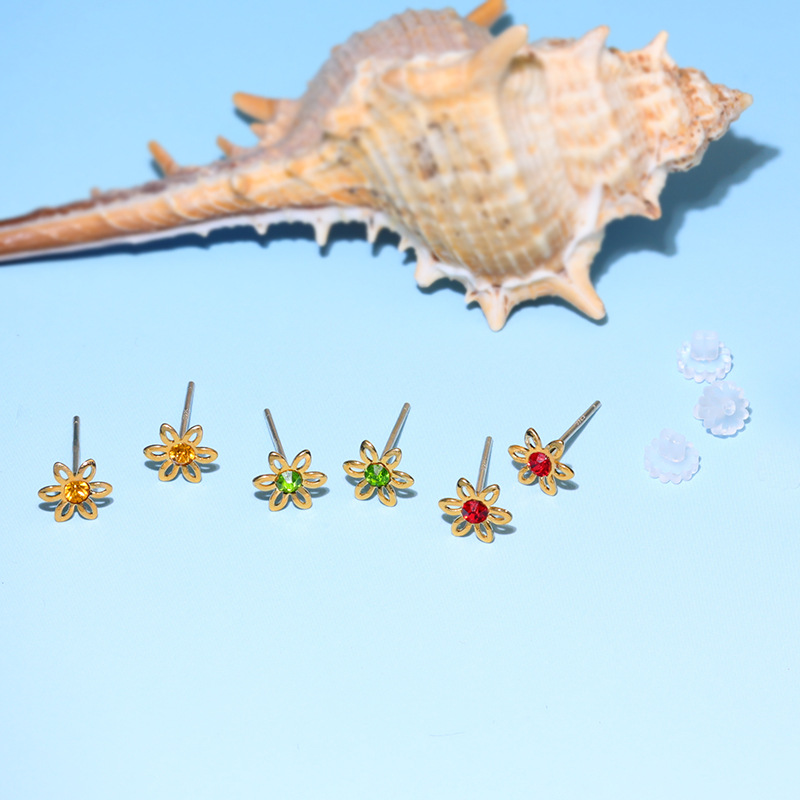
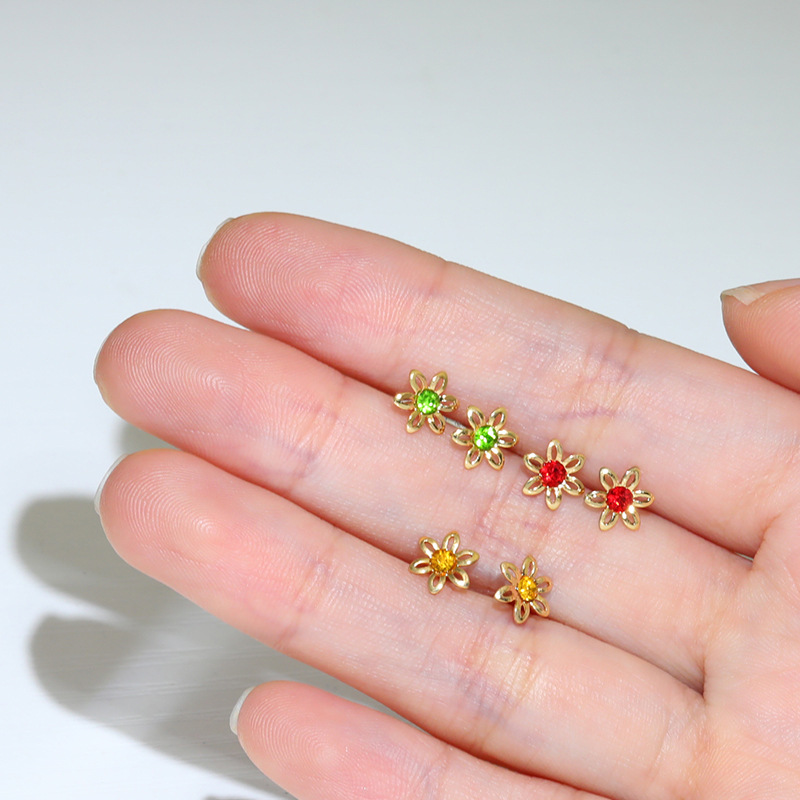
Tiny ear studs are a popular choice in the jewelry market, appealing to a wide range of consumers due to their minimalist design and versatility. For B2B buyers such as purchasing managers, distributors, and retailers, the decision to stock tiny ear studs involves careful consideration of various factors, including quality, material, and supplier reliability. This article will guide you through essential considerations for choosing tiny ear studs for wholesale orders, common issues, best practices for buyers, cost factors, and the versatile options available for your clients.
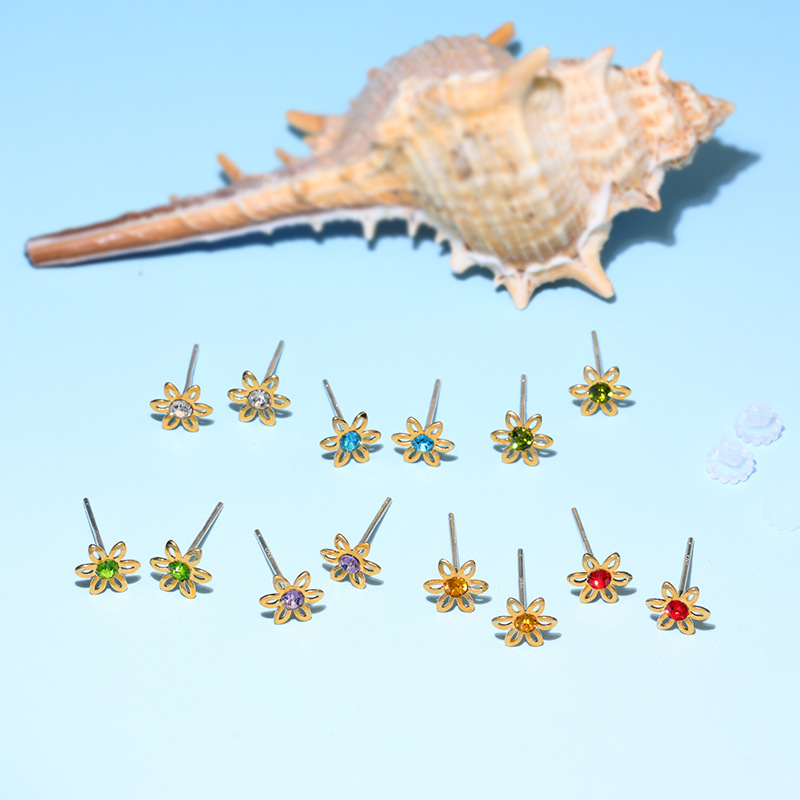
Common Problems with Tiny Ear Studs and Effective Solutions
B2B buyers may encounter several common issues when dealing with tiny ear studs:
Quality Inconsistencies: Variability in quality can arise from different manufacturing processes or suppliers. To mitigate this risk, buyers should conduct thorough quality inspections of samples before placing bulk orders. Ensuring that the supplier has robust quality control processes in place is also crucial.
Material Sensitivity: Some consumers may experience allergic reactions to certain materials. Offering hypoallergenic options, such as titanium or high-quality stainless steel, can address this concern. Additionally, providing clear material specifications can help consumers make informed choices.
Design Flaws: As with any jewelry, design flaws can affect the product's appeal and functionality. Buyers should ensure that prototypes are tested for comfort and durability before mass production. It is advisable to examine the finished product for uniformity in design and craftsmanship.
Packaging Issues: Proper packaging is essential to prevent damage during shipping. Buyers should discuss packaging options with suppliers, ensuring that the tiny ear studs are well-protected and presented attractively to end consumers.