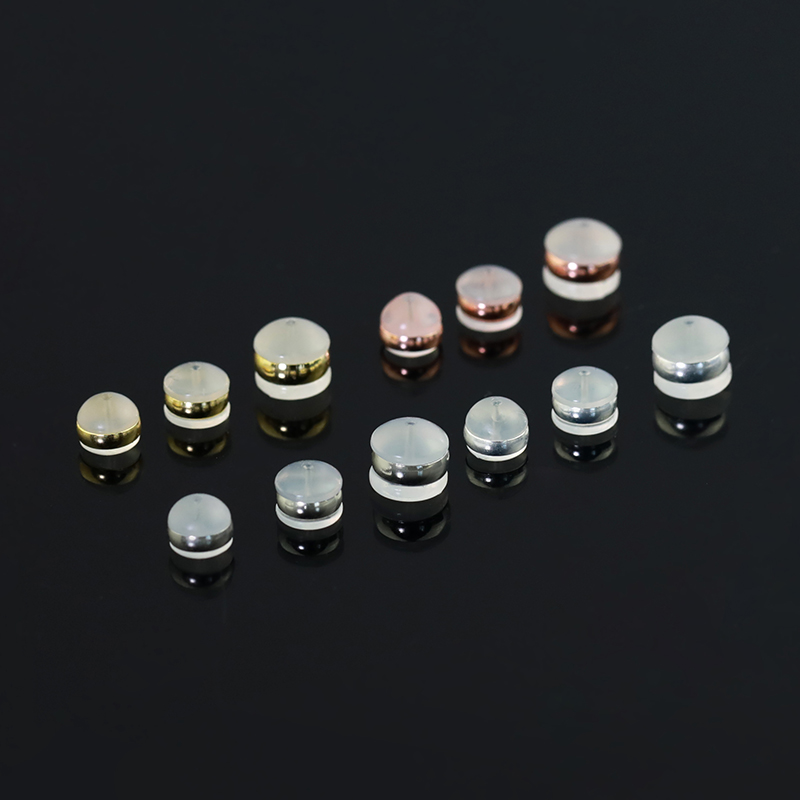
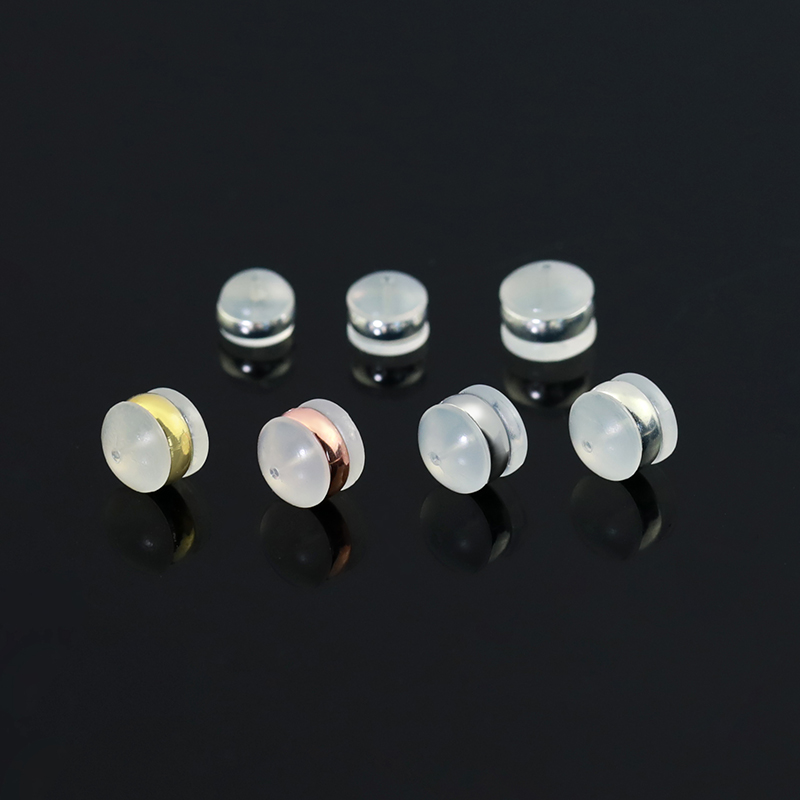
Hypoallergenic earring backs are essential components for ensuring comfort and safety in jewelry, particularly for individuals with sensitive skin or metal allergies. As a B2B buyer, your main concerns likely include material quality, manufacturing processes, and the overall suitability of these components for various applications. This article will help you understand the key specifications of hypoallergenic earring backs, the benefits of different materials, installation guidance, cost factors to consider, and their applications in jewelry manufacturing. You can find more about various types of earrings in our Earring Accessories section.
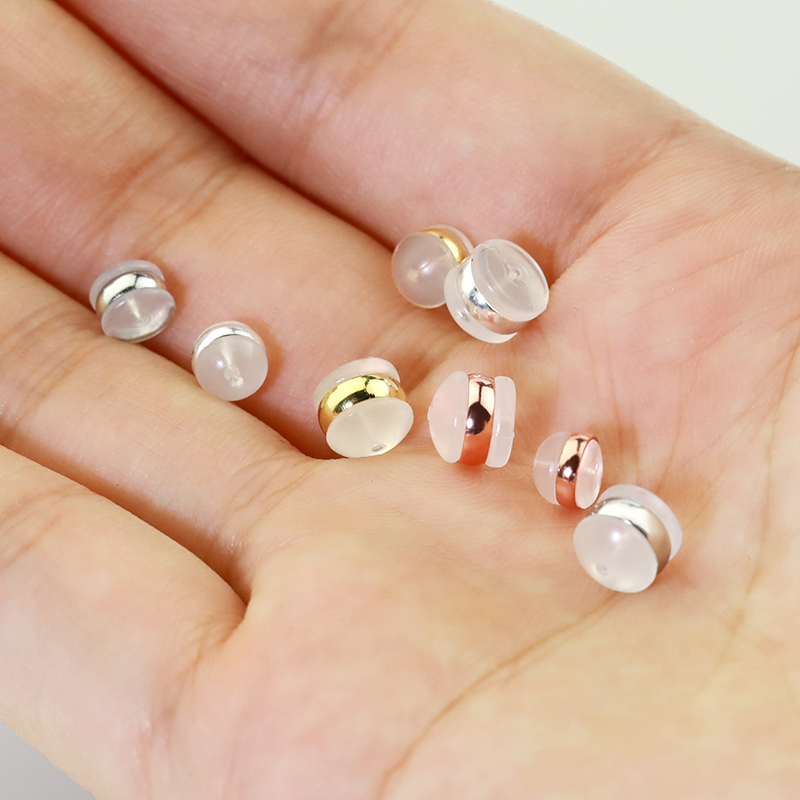
Compare the Benefits of Different Materials for Earring Backs
Selecting the right material for hypoallergenic earring backs can significantly affect user experience. Here’s a comparison of common materials:
316 Stainless Steel: Known for its excellent corrosion resistance and strength, 316 stainless steel is ideal for hypoallergenic applications. It is less likely to cause allergic reactions compared to other metals, making it a preferred choice in high-quality jewelry.
Eco-Friendly Brass: While brass can sometimes cause allergic reactions in sensitive individuals, eco-friendly options are treated to minimize such risks. It also offers a warm, golden hue that many consumers find appealing.
Silicone: Silicone earring backs are soft and flexible, providing a comfortable fit. They are also waterproof and can be easily cleaned, making them suitable for everyday wear.
Resin: Resin backs can be molded into various shapes and colors, allowing for creative designs. However, their durability may vary, so quality checks are essential.
Each material has its advantages and drawbacks, so buyers should consider the specific application and consumer preferences when making a selection.