
Get a Free Quote

Our representative will contact you soon.
Email
Mobile
Name
Company Name
Message
0/1000
dress pins-0

Home > 

dress pins

Dress pins are essential fasteners in  various applications,  primarily in the fashion  and textile industries. These small yet crucial  items help  secure  fabrics together, making them indispensable for tailors, designers,  and manufacturers. When purchasing dress pins in bulk, B2B buyers often  face challenges  such as ensuring the  right  specifications, verifying quality,  and understanding supplier  reliability. This article will guide you  through  key  considerations when  selecting dress pins  for wholesale orders, helping you make  informed  purchasing decisions.
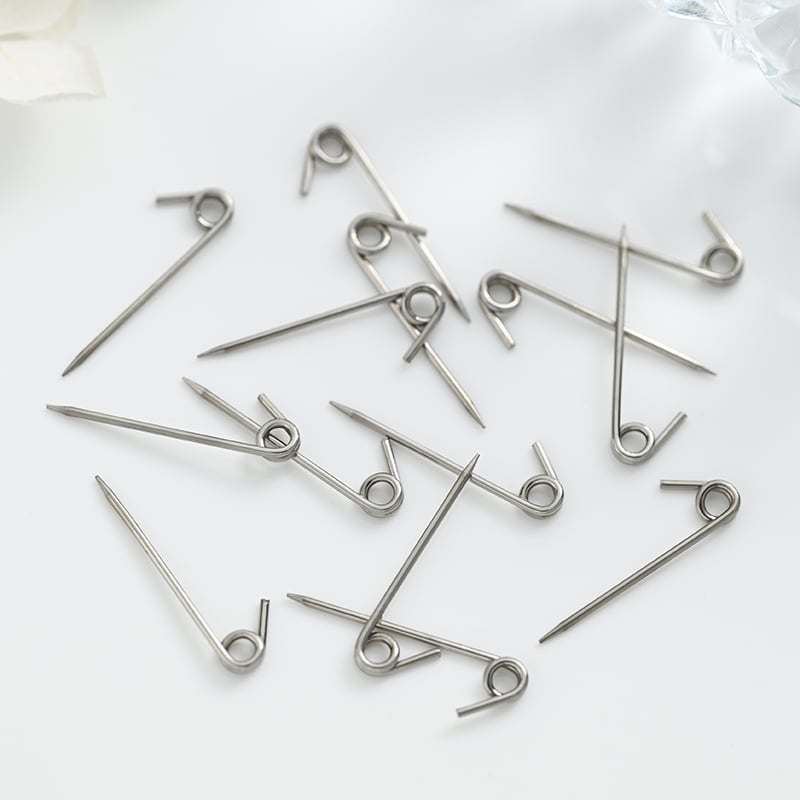
Comparing Dress Pin Specifications for Bulk Purchases

Comparing Dress Pin Specifications for Bulk Purchases

When assessing  specifications for  bulk purchases of dress pins, focus on the following key aspects:


Material: Common materials  include stainless steel, brass, and plastic. Stainless steel is  known for its  strength and corrosion  resistance, while brass has anti-rust properties. The choice  of material  affects not only  durability but  also  the  overall cost.

Dimensions: Pay attention to  the  pin’s length and thickness. The dimensions should align with the intended fabric and use case; for example, thicker pins may be required for  heavier  fabrics.

Coating: Some  pins  have additional coatings for enhanced performance, such  as a nickel coating for rust resistance. Verify if the coating meets your application needs.

Understanding these specifications will help ensure that the dress pins you order are suitable for their intended use and will perform consistently during application.
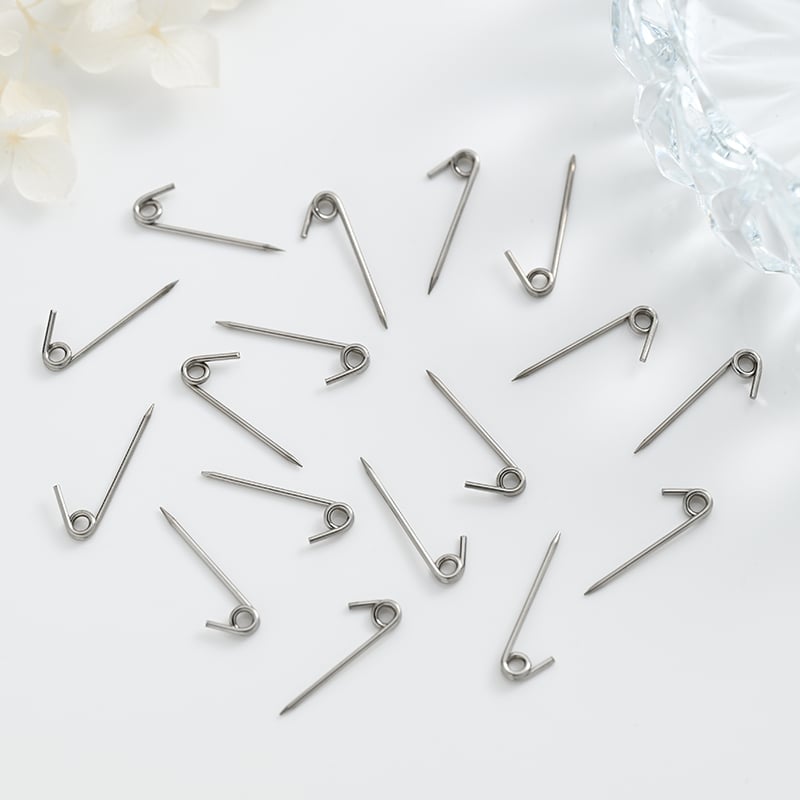
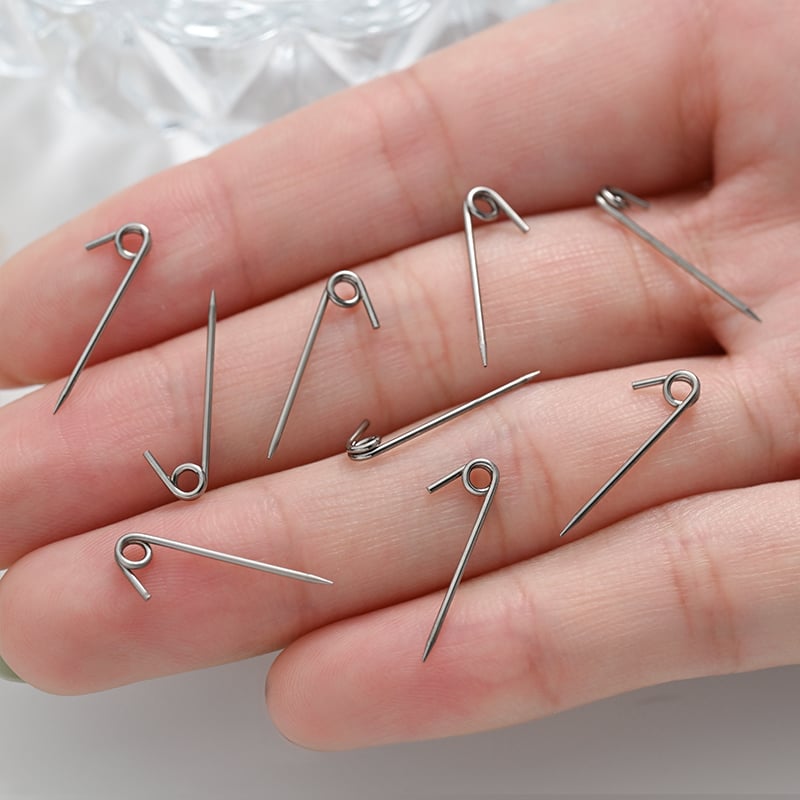
Installation Guidance for Different Types of Dress Pins

Installation Guidance for Different Types of Dress Pins

Installing  dress pins correctly can affect the overall outcome  of  a project. Here are some  tips for different  types of dress pins:

Standard Dress  Pins: Use a pin cushion to keep pins organized and accessible. When inserting a standard pin,  ensure it  goes through multiple layers  of fabric to secure them firmly. Avoid placing pins too close to the edge to prevent  them from slipping out during handling.

Long Dress Pins: When working with  heavier fabrics, long  dress pins  are more effective. Insert them at a slight angle to add stability, especially  when  layering multiple fabrics.


Decorative  Pins: For decorative pins, consider their placement carefully, as they are often used to enhance the visual appeal of garments. Ensure they are  placed where they will not compromise the fabric’s integrity.

Proper installation techniques not only improve the functionality of dress pins but also  contribute to the overall quality  of the finished product.

Evaluating Dress Pin Quality and Supplier Reliability

Evaluating Dress Pin Quality and Supplier Reliability

Quality evaluation is critical when sourcing dress  pins. Here are some  key aspects to consider:

Material Quality: Inspect the material used for the pins. High-quality  stainless steel, for  example,  should feel sturdy and have  a  smooth  finish without any rough  edges. Conducting a  simple bend test can help assess durability.

Consistency: Ensure that all pins in  a batch are uniform in size and  shape. Variations can lead to issues  during application, especially  in mass production settings.

Supplier Certifications:  Verify if the supplier  holds relevant certifications such as ISO9001. These certifications indicate a commitment to quality management and can provide assurance regarding the reliability  of  the  supplier.

Engaging in thorough quality checks and selecting reputable suppliers can significantly reduce the risk of  complications during production.

Common Problems with Dress Pins and Effective Solutions

Several issues can arise when using dress pins, but many can be effectively addressed:

Bending or Breaking: If pins frequently bend or break, it may indicate that the material is inferior or not suited  for the fabric type. Consider switching to a stronger  material or adjusting the pin size according to the fabric’s weight.

Rusting: Dress  pins made from uncoated  metals  can rust, especially in  humid environments.  To mitigate this, opt for stainless steel pins or those with protective coatings.

Puncturing  Fabric: In some cases, dress pins can puncture  or damage delicate  fabrics. To avoid this,  use finer pins designed for lightweight materials, and ensure proper insertion angles.

By being aware of these  common  issues and their solutions, buyers can enhance their experience with dress pins, leading to better overall  product outcomes.


Sourcing the right dress pins requires  careful consideration of specifications, supplier reliability, and potential issues. By following the guidelines outlined, B2B  buyers  can streamline their procurement process and ensure  they select dress pins that meet their project needs effectively.

How to Choose the Right Dress Pins for Wholesale Orders

Selecting  the appropriate  dress  pins involves understanding your specific application requirements. Buyers  should consider factors such  as pin  length, thickness, and head  type. For instance, longer pins may be necessary for thicker fabrics, while finer pins work better with delicate materials. Additionally,  the head type—whether it’s a flat,  round, or decorative head—can influence usability and aesthetic appeal. To complement your designs, you could also explore Neckwear / Neck Jewelry options that enhance the overall style.

When placing wholesale  orders, it’s essential to  confirm  the minimum order quantities (MOQ) and  pricing structures with your supplier. Understanding the customization  options available can also aid  in tailoring the product  to  your specific needs.  For example, materials  used  for dress pins can include stainless steel for durability or eco-friendly options that align with sustainable practices. Additionally, consider looking into Jewelry Accessories that can complement your dress pins.

Frequently Asked Questions

What materials are used for your dress pins?

Our dress pins are made from 316 stainless steel, eco-friendly brass, resin and silicone options to ensure durability, hypoallergenic wear and varied finishes.
Yes. We provide flexible OEM and ODM services including custom design, logos, packaging and finishes tailored to your specifications.
Our production meets ISO9001 standards and relevant CE, REACH and RoHS certifications, ensuring material safety and consistent quality control.
We offer fast sampling and quick delivery. Typical sample lead time is short and production lead times depend on order size; contact us for precise timelines.
Yes. Our self-operated factory with advanced equipment and in-house production ensures scalable volume, consistent QC and the ability to handle high-volume orders.

Get a Free Quote

Our representative will contact you soon.
Email
Mobile
Name
Company Name
Message
0/1000

Related product categories