Get a Free Quote

Our representative will contact you soon.
Email
Mobile
Name
Company Name
Message
0/1000
bracelets-0

Home > 

bracelets

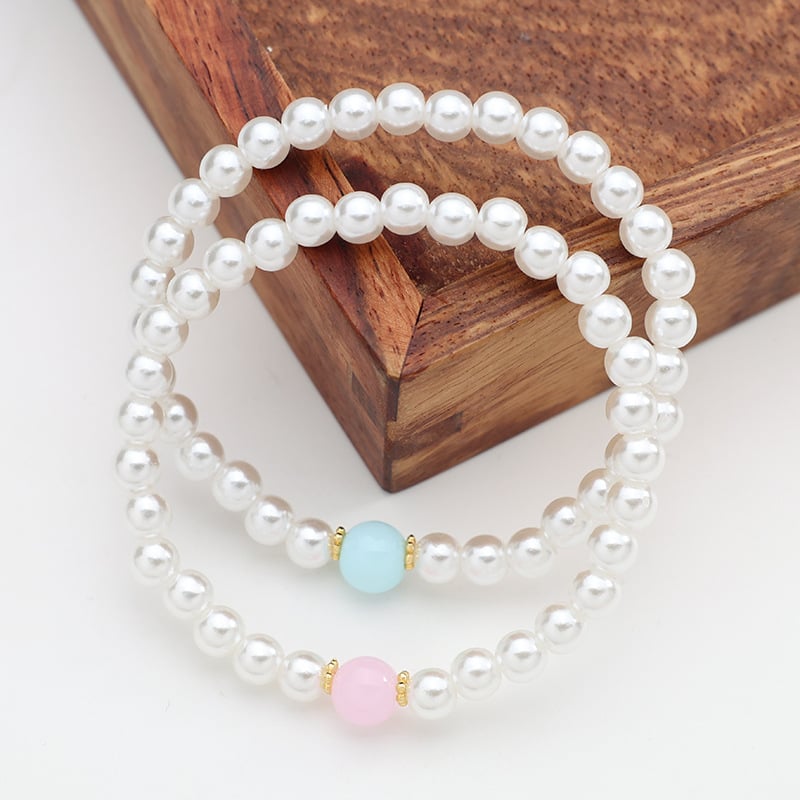
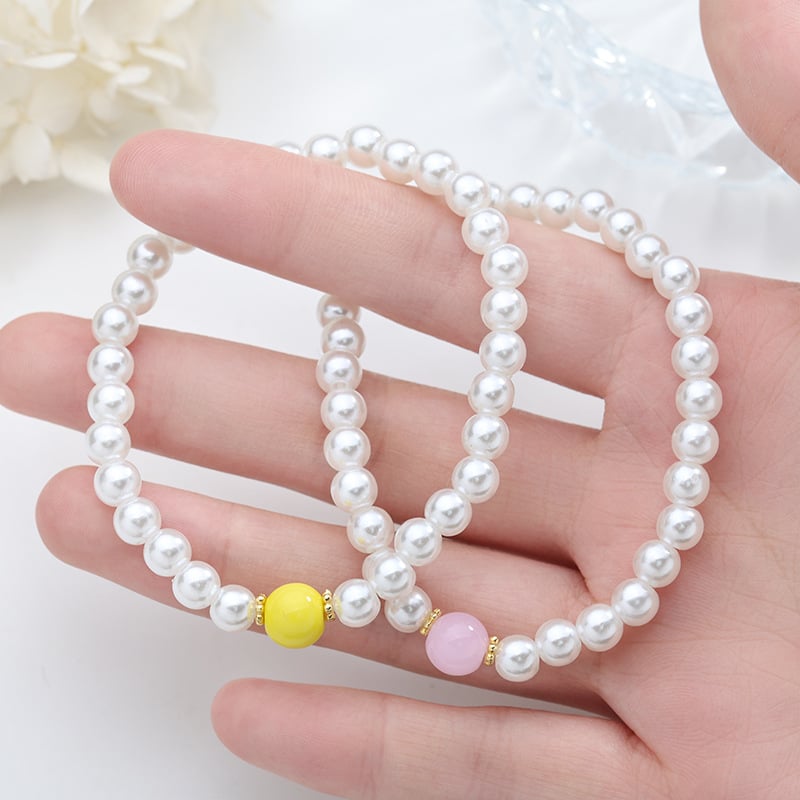
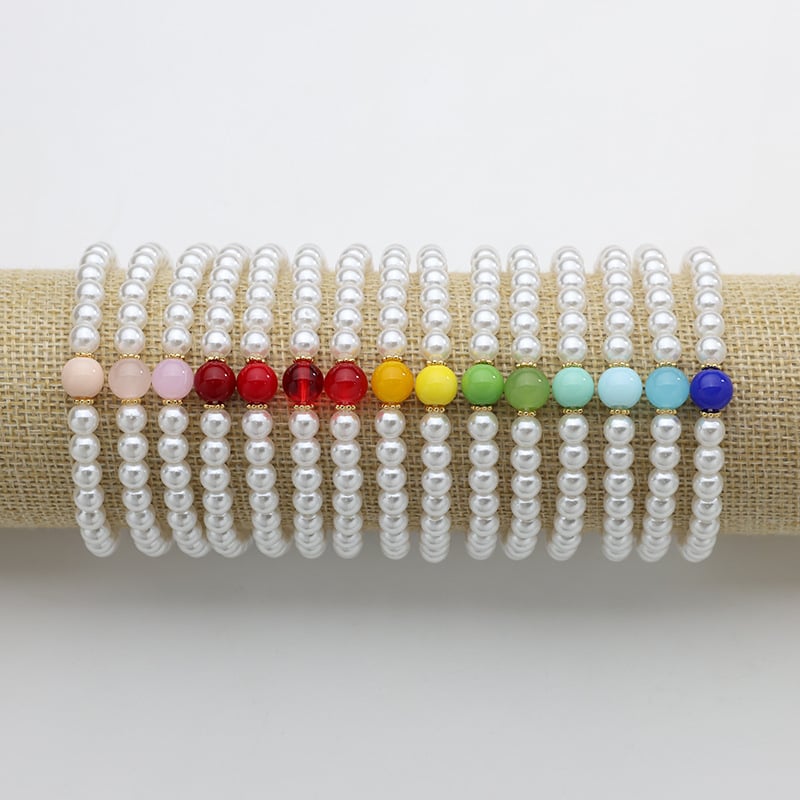
When considering the manufacturing and procurement of bracelets,  it’s essential to  understand both the technical specifications and the  broader  market  context. Bracelets are  not just fashion accessories; they are  versatile items used across various industries, from  retail to promotional products. Buyers  often  seek high-quality materials, reliable  suppliers, and  efficient  manufacturing  processes. This article will explore critical aspects of  bracelet manufacturing,  helping purchasing managers  and  distributors  make informed decisions.
 
Where to Find Reliable Suppliers for Bulk Bracelet Orders

Where to Find Reliable Suppliers for Bulk Bracelet Orders

Finding a  reliable supplier is  critical for ensuring  consistent quality and  timely delivery.  Here are a few strategies:


Industry Directories: Websites like Alibaba and  ThomasNet can connect you  with manufacturers specializing in bracelets. Look  for  suppliers with positive reviews and  a  solid track record  of customer satisfaction.


Trade Shows: Attending  industry-specific trade shows allows buyers to meet manufacturers face-to-face, assess  product quality, and discuss customization options directly.

Networking: Leveraging professional networks, such as LinkedIn  or industry associations, can lead to referrals for reputable suppliers. Personal recommendations often  provide insights into the reliability  and quality of potential vendors.

Factory Visits: Whenever possible, conducting site visits can help verify a manufacturer's capabilities, production processes, and quality control measures. This step is essential for building trust  and establishing a long-term partnership.
Common Installation Challenges with Bracelets and Solutions

Common Installation Challenges with Bracelets and Solutions

While installing or using bracelets, buyers may face  several challenges:

Sizing Issues:  A common  challenge is ensuring the bracelet fits well. To mitigate this, buyers  should provide precise measurements and  consider  offering adjustable  designs or multiple size options  to accommodate a broader audience.


Material Reactions: Some  users  may have sensitivities to certain materials. It’s important to clearly communicate the materials used and offer alternatives for those  with specific allergies or preferences.

Durability Concerns: Depending  on the application, bracelets may need to  withstand different environmental factors. For outdoor or active use, durable materials and secure clasps  are crucial. Buyers should  specify intended use cases when discussing design and material options with suppliers.

Quality Control: Implementing a robust quality inspection process before mass production  can help identify potential issues  early.  Buyers should consider requesting samples to evaluate fit, finish, and overall  quality.

Applications of Bracelets Across Various Industries

Applications of Bracelets Across Various Industries

Bracelets have  diverse applications  across multiple sectors:

Fashion Retail: In the fashion industry, bracelets  are popular  accessories that enhance  product lines. Brands often seek unique designs and customizable options to differentiate their offerings.

Promotional  Products: Companies frequently use bracelets as promotional items. Custom-branded silicone or resin  bracelets can serve  as effective marketing tools  at events or as giveaways.

Medical and Safety: In healthcare, medical alert bracelets are  crucial  for patient safety,  containing vital information  about allergies or medical conditions. These require durable materials and clear, legible  engraving.

Sports and Fitness: Fitness trackers are often  designed  as bracelets. These products need to combine functionality with comfort  and  style,  appealing to  health-conscious consumers.

The Benefits of Choosing Eco-Friendly Materials for Bracelets

In recent  years, the  demand for eco-friendly products has grown  significantly. Here are the benefits of  selecting sustainable materials for bracelets:

Environmental Impact: Materials  like eco-friendly brass and  recycled plastics reduce the ecological footprint associated with traditional manufacturing processes.  This appeal  can attract environmentally conscious consumers.

Market Differentiation: Offering eco-friendly options  can  set your brand apart in a crowded market. As consumers increasingly prioritize sustainability, businesses can  leverage this trend for marketing advantages.

Compliance with Regulations: Many regions are imposing stricter regulations on materials used in consumer products. By choosing eco-friendly  materials, manufacturers can ensure compliance and avoid potential legal issues.

Consumer  Trust: Brands that  prioritize  sustainability often  build stronger relationships with  their customers. Transparency about material sourcing and production processes can enhance trust and loyalty among consumers.</p>

By understanding these aspects  of bracelet manufacturing and procurement, B2B buyers can make informed decisions that align with their business needs and  market trends. The combination of quality materials, reliable suppliers, and sustainable practices will not only enhance product offerings but also strengthen brand reputation in the long run.


Key Specifications for High-Quality Bracelet Manufacturing

When evaluating bracelets for bulk orders, several key specifications must  be taken into account:

Material Selection: Common materials include 316 stainless steel, eco-friendly brass, resin, and silicone. Each material has distinct properties influencing durability, appearance, and comfort.  For instance, 316 stainless steel is highly resistant to corrosion and tarnishing, making it suitable for both fashion and functional applications. Additionally, incorporating  Jewelry Accessories can enhance the overall design and appeal of the bracelets.

Dimensions and  Weight: Dimensions should be specified according to target  demographics and intended usage.  The weight of the  bracelet  can affect user comfort, especially for larger designs. Custom sizing is  often necessary, and buyers should communicate specific size requirements  to ensure  a perfect fit.

Surface Treatment: The finish of the  bracelet can enhance its  aesthetic  appeal and durability. Options include polishing, plating, or anodization, each offering different benefits in terms of appearance and protection against  scratches or wear.

Certifications: High-quality manufacturers,  such as Dongguan  Rongsheng Jewelry  Co., Ltd, often hold certifications  like ISO9001, CE, REACH, and RoHS. These certifications indicate  compliance with international quality and safety standards, offering additional assurance to buyers.


Frequently Asked Questions

What materials are used to make these bracelets?

Our bracelets are made from 316 stainless steel, eco-friendly brass, resin, and silicone, chosen for durability, hypoallergenic properties, and modern finishes.
Yes. We provide flexible OEM and ODM services including custom designs, logos, packaging, and finishes, supported by our in-house full production chain.
We hold ISO9001, CE, REACH, and RoHS certifications and maintain quality control across production, backed by over 30 design and utility patents.
We offer fast sampling and quick delivery; lead times vary by order size and customization but are optimized by our advanced in-house equipment and production process.
Yes. Using 316 stainless steel and tested materials helps reduce allergic reactions; we also follow strict quality and safety standards to ensure skin-friendly products.

Get a Free Quote

Our representative will contact you soon.
Email
Mobile
Name
Company Name
Message
0/1000

Related product categories