
Get a Free Quote

Our representative will contact you soon.
Email
Mobile
Name
Company Name
Message
0/1000
small earrings-0

Home > 

small earrings

When sourcing  small earrings for your  wholesale business,  it's essential  to  consider not  only the design  and aesthetic value but  also the quality  and  manufacturing process behind them. Small  earrings, often made from  materials like stainless steel, eco-friendly  brass, and resin, can greatly influence purchasing decisions. This article will guide  you through the  critical  factors  to evaluate when selecting small earrings, helping you make  informed  decisions that align with your business needs.
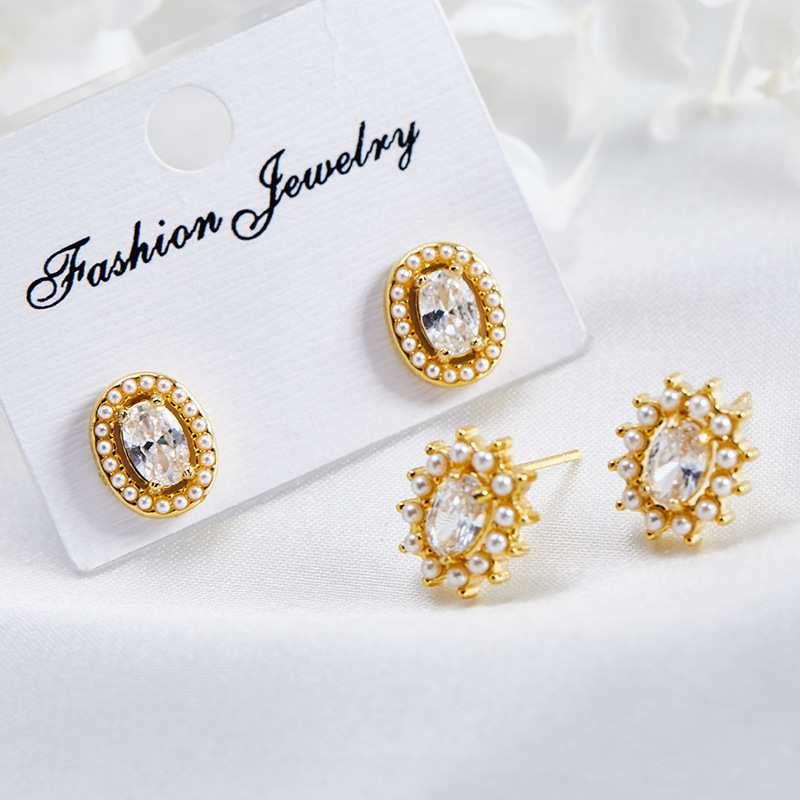
 
Specifications to Consider When Sourcing Small Earrings

Specifications to Consider When Sourcing Small Earrings

When sourcing small earrings, specific specifications play a critical role in the  overall product quality. Here are some key  specifications to consider:

Material  Thickness: The thickness of the metal used can impact durability and comfort. A  standard thickness for stainless steel earrings  is around 0.8mm to 1.2mm, which provides a balance between sturdiness and  weight.

Dimensions:  The size of the earrings should be aligned with  your target market's preferences. Common dimensions for small earrings range from 10mm to 30mm in diameter. Ensure you have a  clear understanding of what size your customers prefer.

Surface Finish: Different finishes,  such as polished,  matte, or brushed, can affect the aesthetic appeal. A polished finish may  enhance  the shine, while a matte  finish can offer a modern look.

Clasp Type: The type of clasp used (e.g., stud, hook, or  lever-back) can influence the ease of use  and security of the  earrings. Ensure the clasp mechanism is reliable and easy for customers to operate.


Weight: Light-weight earrings are often preferred for comfort. Aim for a total weight of 2 to 5 grams  for small  earrings to ensure they are comfortable for extended wear.

Confirming these specifications with suppliers before placing orders can prevent potential issues during production and enhance customer satisfaction.
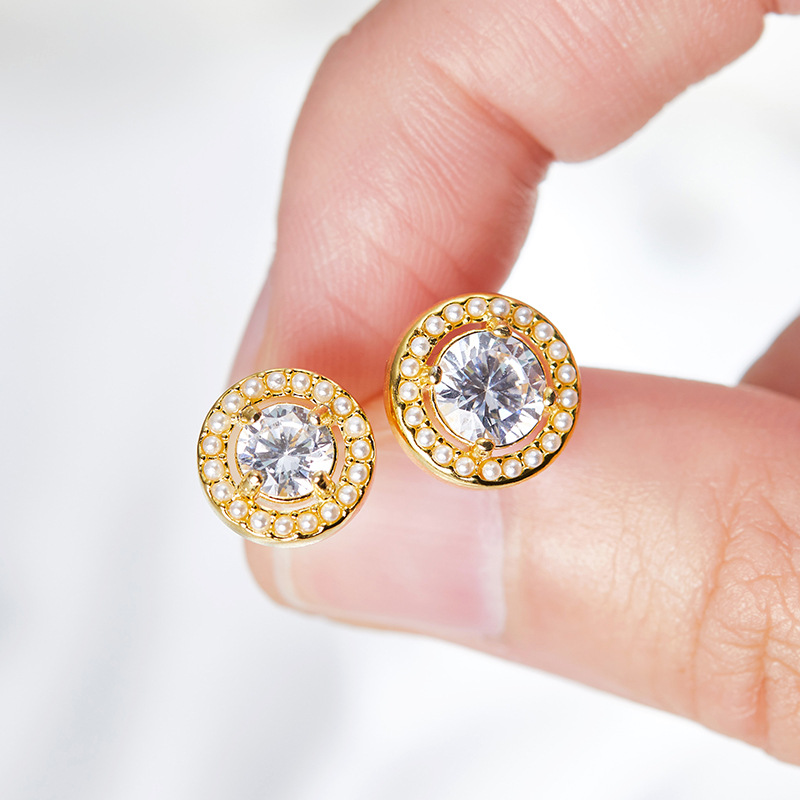
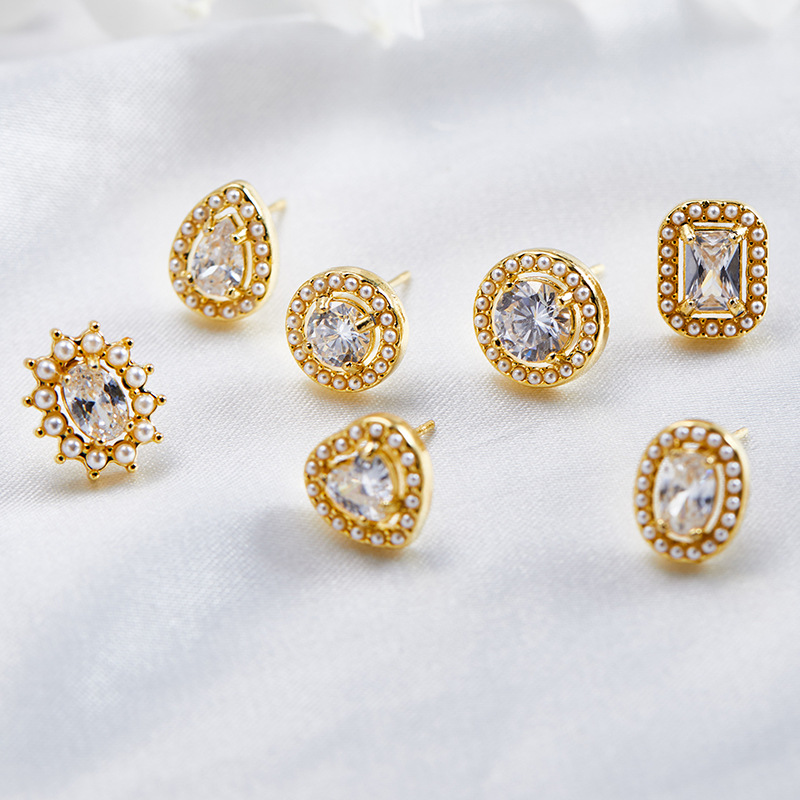
Cost Factors to Consider When Purchasing Small Earrings in Bulk

Cost Factors to Consider When Purchasing Small Earrings in Bulk

Understanding cost factors is essential for  effective budgeting when purchasing small earrings  in bulk. Here are the primary elements that  can  influence pricing:

Material Costs: The  choice of  materials significantly affects the unit price. For example, 316 stainless steel may have  a higher upfront cost compared to lower-quality metals, but it offers better durability  and  corrosion resistance.

Manufacturing Process: Different manufacturing methods, such as casting or stamping, will have varying production costs. Suppliers like  Dongguan Rongsheng Jewelry Co., Ltd., which use advanced equipment, may offer better pricing  due to  higher efficiency.

Order Quantity: Bulk purchasing often leads to discounts. Be aware of the minimum order quantities  (MOQs)  required by suppliers, as ordering more can reduce the per-unit cost.

Customization Options: Custom designs or branding on earrings can increase the cost. Discuss any customization  requirements upfront to ensure accurate pricing and avoid surprises later.

Shipping and Handling: Factor in shipping costs when calculating your total expense. Bulk orders may  qualify  for reduced shipping rates, so inquire about  these options.

By carefully analyzing these cost factors,  you can better manage your budget and  maximize profit margins.

The Manufacturing Process of Small Earrings

The Manufacturing Process of Small Earrings

Understanding the manufacturing process of small earrings can provide insights into product quality and lead times. The typical process includes the following steps:

Design  and Prototyping: Initial designs are created using CAD software. Prototypes are often developed for approval before mass production begins. This  step is crucial for confirming dimensions and aesthetics.

Material Preparation: Selected materials, such as  316 stainless steel or eco-friendly brass, are prepared  for production. This may involve cutting, shaping, and finishing the raw materials to meet specifications.

Production: Depending on  the design, earrings  may be manufactured through various methods like stamping, casting, or laser  cutting. Advanced machinery ensures precision and consistency throughout the production run.

Finishing: Once the  earrings  are  shaped,  they undergo  finishing processes such as polishing, coating, and quality inspection to  ensure they meet the required standards.

Quality Control: Rigorous quality control checks  are conducted at various stages  of production. This  includes checking for defects, ensuring dimensions are accurate, and confirming that each piece  meets  safety standards.

Understanding this process helps  you assess the supplier's capabilities and the expected timeline for receiving your  order.

Benefits of Eco-Friendly Materials in Small Earrings Production

Using eco-friendly materials in the production of small earrings offers several advantages that can appeal to today's environmentally conscious consumers:

Sustainability: Eco-friendly  materials, such as recycled metals  and non-toxic finishes, reduce the environmental impact of jewelry production. This  aligns with the growing consumer demand for sustainable products.

Health and Safety: Eco-friendly  materials often contain fewer harmful chemicals, making them safer for wearers, particularly those  with sensitive skin. Stainless steel,  for instance, is hypoallergenic and does not corrode, making it a preferred choice for many.

Market Differentiation: Offering eco-friendly jewelry can help  your brand stand out in  a competitive market. Consumers are increasingly willing to pay a premium for products that promote sustainability. For example, you could consider using Stainless Steel Huggie Hoop Earrings – Classic Round Design with Hand Polished Finish as a sustainable option.

Regulatory  Compliance: Using certified eco-friendly materials ensures compliance  with regulations such as REACH  and RoHS, reducing potential legal issues and enhancing your brand’s  reputation.

Consumer Trust: Brands that prioritize eco-friendly practices  often foster greater  trust and loyalty among consumers.  This can lead to repeated business  and positive word-of-mouth referrals.

By selecting suppliers who prioritize eco-friendly materials, you can enhance your product offering and  appeal to a broader customer base committed to  sustainability.

Understanding these aspects of small  earrings can empower you to make informed purchasing decisions that align with your  business goals and customer preferences.

How to Choose Quality Small Earrings for Your Wholesale Business

When selecting small earrings for wholesale,  focus on three primary factors: materials, craftsmanship, and design versatility. Quality materials, such as 316 stainless steel and eco-friendly brass, are crucial for durability  and hypoallergenic properties. Look for suppliers that provide detailed information about the material composition, as this can affect  both the longevity of  the  product and  the comfort for end users.

Craftsmanship is another essential aspect. High-quality earrings  should exhibit excellent finishing, with smooth  edges and secure clasps. Inspecting product samples before  placing bulk orders can help ensure that the earrings  meet your  quality standards. Additionally, consider the design versatility. Small  earrings that can complement various outfits and occasions are more likely to  appeal  to a broader customer base. For example, you might explore options like the Copper Waterdrop Earring Clip – Hinged Converter for Non-Pierced Ears for versatile styling.

Lastly,  evaluate the supplier's experience and capabilities. Companies like Dongguan Rongsheng Jewelry  Co., Ltd., with over 17 years of experience and  multiple certifications,  can offer insights into the latest  trends and consumer preferences, helping you make better  product selections.

Frequently Asked Questions

What materials are used in your small earrings?

Our small earrings are made from 316 stainless steel, eco-friendly brass, resin, and silicone. Materials meet CE, REACH, and RoHS standards to ensure safety and durability.
Yes. We use 316 stainless steel and tested eco-friendly materials designed to minimize allergic reactions. Products follow ISO9001 quality controls.
Yes. We offer flexible ODM and OEM services with in-house design, prototyping, and production to meet custom specifications and branding needs.
We provide fast sampling and quick delivery. Sample lead times vary but are typically rapid due to our self-operated factory and advanced equipment.
Yes. Our factory holds ISO9001, CE, REACH, and RoHS certifications and we have over 30 patents covering designs and manufacturing methods.

Get a Free Quote

Our representative will contact you soon.
Email
Mobile
Name
Company Name
Message
0/1000

Related product categories