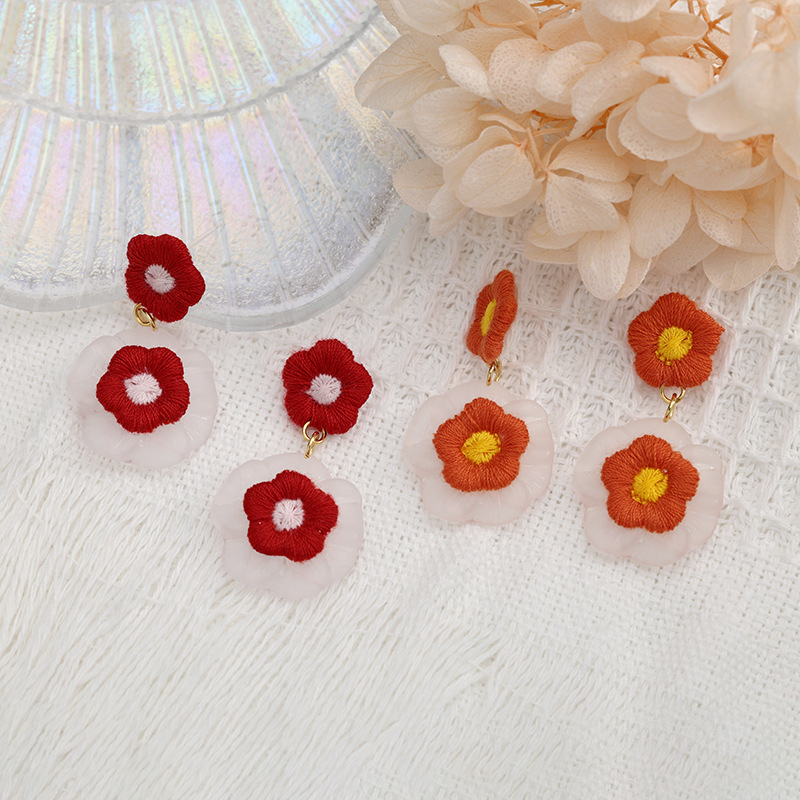
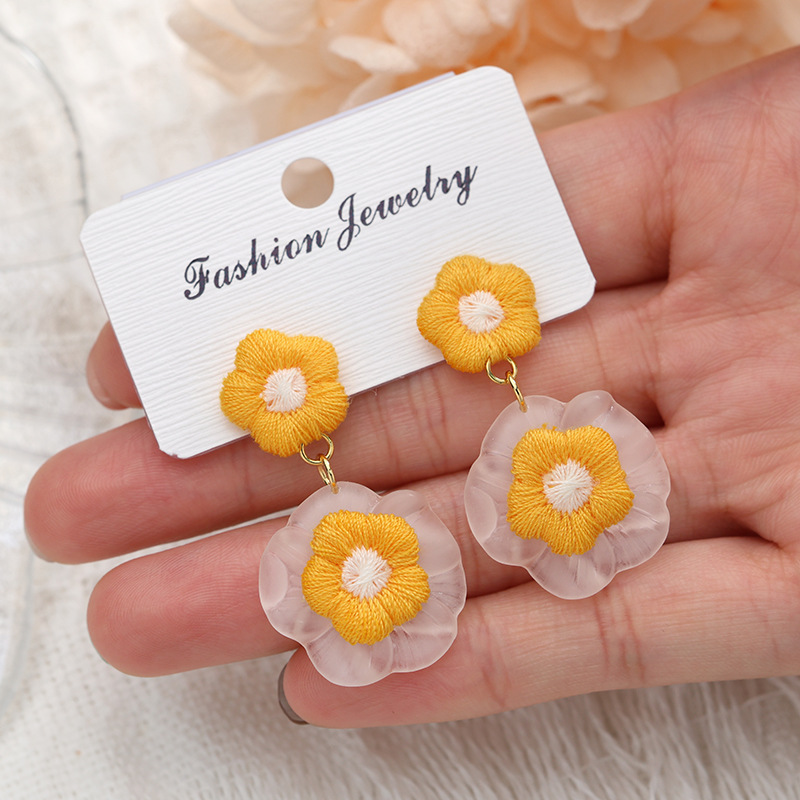
Flower earrings have become a popular accessory in the jewelry market, appealing to a wide range of consumers. For B2B buyers, such as purchasing managers and distributors, understanding the nuances of sourcing flower earrings is crucial for ensuring quality and meeting customer demands. This article will guide you through essential considerations in evaluating suppliers, the advantages of materials used in manufacturing, common sourcing challenges, insights from a manufacturer’s perspective, and the flexibility offered through ODM and OEM services for custom designs.
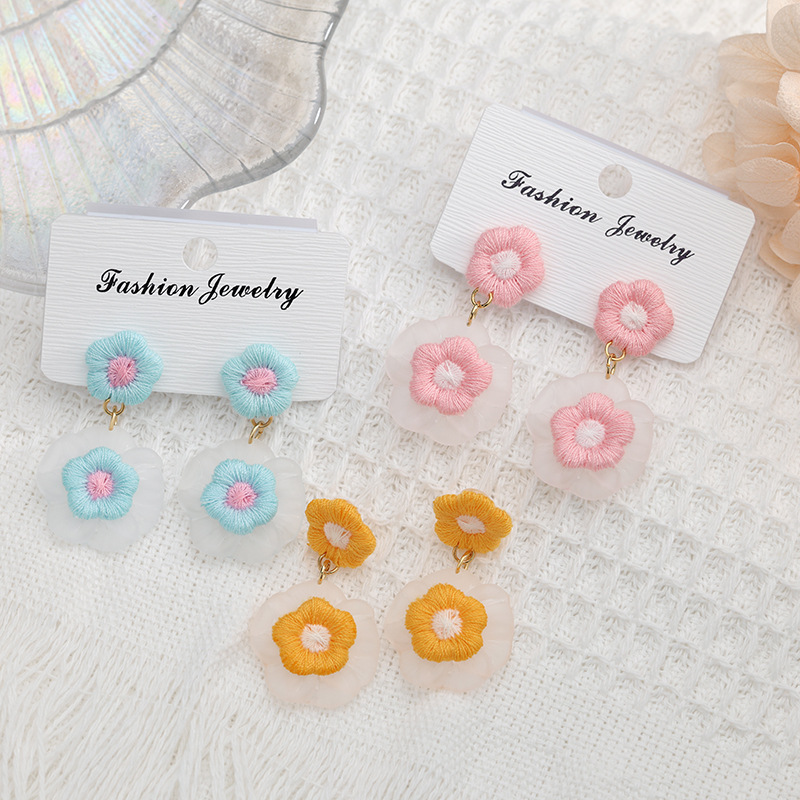
Understanding Material Advantages in Flower Earrings Manufacturing
The materials used in flower earrings significantly influence their appearance, durability, and customer satisfaction. Common materials include 316 stainless steel, eco-friendly brass, resin, and silicone. Each material has unique properties that cater to different market segments.
316 stainless steel is known for its corrosion resistance and durability, making it ideal for everyday wear. It is hypoallergenic, which appeals to consumers with sensitive skin. On the other hand, eco-friendly brass offers a classic look with a lower environmental impact, appealing to buyers focused on sustainability.
Resin allows for vibrant colors and intricate designs, making it suitable for fashion-forward consumers. Silicone can provide a lightweight feel and flexibility in designs, which can be attractive for casual or playful styles. Understanding the advantages and applications of these materials can help buyers make informed decisions that align with their customer preferences.