
Get a Free Quote

Our representative will contact you soon.
Email
Mobile
Name
Company Name
Message
0/1000
findings for jewelry making-0

Home > 

findings for jewelry making

When it comes  to jewelry making, the selection of findings is crucial as  they serve as the essential  components connecting various elements of a piece. Findings for jewelry making include clasps, jump rings, earring  hooks, and more, and they can  significantly influence the final product's functionality and  aesthetic  appeal. B2B buyers often  seek durable materials,  reliable suppliers, and  efficient production processes when  sourcing these components.  This article will guide you through important considerations when  choosing  jewelry making materials,  evaluating quality,  sourcing reliable suppliers,  assessing cost factors, and understanding the  applications of  eco-friendly materials in jewelry design.
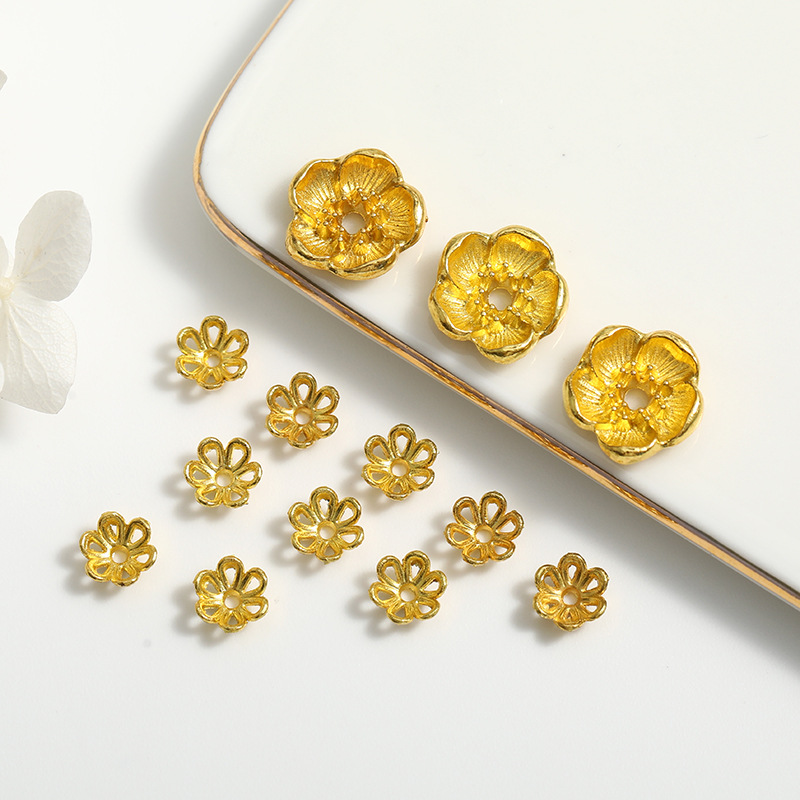
 
How to Evaluate Quality in Wholesale Jewelry Products

How to Evaluate Quality in Wholesale Jewelry Products

Quality evaluation of wholesale  jewelry products  involves a multi-faceted approach:

Material  Inspection:  Assess  the quality of materials used.  For  instance, verify that stainless steel is of 316 grade, which ensures high  resistance to corrosion. You  can  often request material certification from suppliers.


Workmanship: Examine the craftsmanship of the findings. Look for smooth edges, secure fittings, and overall precision in construction. Poor workmanship can lead  to product failures and dissatisfied customers.

Sample Approval:  Before committing to a bulk order, always request samples. This allows you to  inspect  the product quality firsthand and test the  materials under actual use conditions, ensuring they meet your standards.

Feedback from  Other Buyers: Research reviews and testimonials from other buyers who have sourced  from the same supplier. This can provide insights into  the reliability and consistency of product quality.

Quality Control Processes: Inquire about the supplier's quality control  measures. A reputable manufacturer should have established quality checks throughout the production process to ensure high standards are maintained.
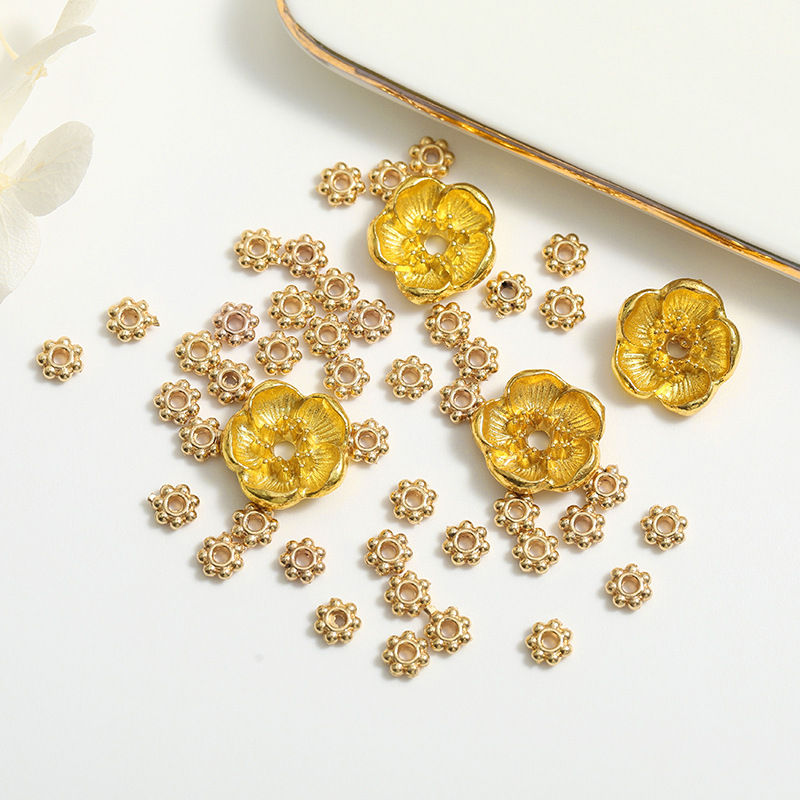
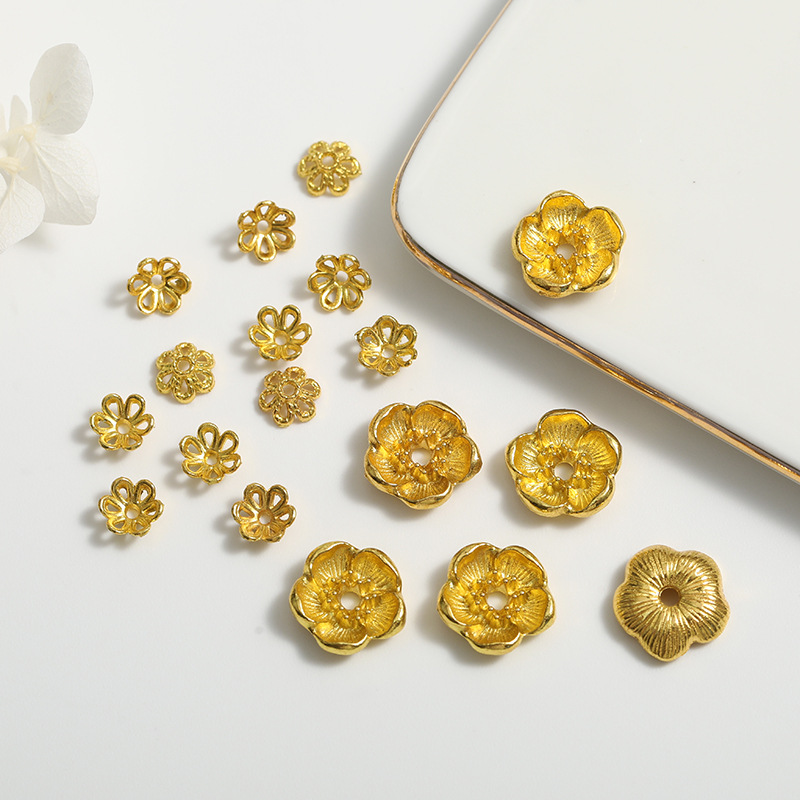
Where to Source Reliable Suppliers for Jewelry Manufacturing

Where to Source Reliable Suppliers for Jewelry Manufacturing

Finding reliable suppliers is  crucial for successful jewelry manufacturing. Here are steps to identify trustworthy sources:


Industry Directories: Utilize online industry  directories  or trade platforms where verified suppliers list their offerings.  This can include platforms that specialize in jewelry components and findings.

Trade Shows: Attend jewelry  trade shows and  exhibitions to meet suppliers face-to-face. This allows for direct interaction and can help establish relationships with potential partners.

Local Manufacturers:  Consider sourcing from local manufacturers  like Dongguan  Rongsheng Jewelry Co., Ltd, known  for their in-house production capabilities. Such suppliers often provide faster lead times and personalized service. Additionally, look into their offerings of products such as Gold Plated Decorative Earring Backs – 19 Flower Heart Butterfly Styles.


Certifications and Compliance: Verify that potential suppliers hold  relevant certifications, which can be  an indicator of their commitment to  quality. Look for ISO9001, CE,  and other relevant certifications.

Flexibility in  ODM  and OEM  Services: Choose suppliers that offer flexible Original Design Manufacturer (ODM) and Original Equipment Manufacturer (OEM) services. This allows  for customization according to your specific design needs.

Cost Factors to Assess for Bulk Jewelry Orders

Cost Factors to Assess for Bulk Jewelry Orders

Understanding the cost structure is essential when  placing  bulk orders for jewelry findings. Here are the main  factors to consider:

Material Costs: The type of material significantly impacts the overall cost. For example, 316 stainless steel may be more expensive than brass, but its  durability can justify the higher price in the long term.

Production Volume: Many suppliers offer tiered pricing based on  order quantity. Higher volumes often lead to lower  per-unit costs, so it's crucial to assess your demand accurately.

Customization Fees: If you require customized findings, be aware  of potential additional costs. Some manufacturers may charge setup fees for molding or tooling for specific designs, such as those for Stainless Steel Huggie Hoop Earrings – Classic Round Design with Hand Polished Finish.

Shipping and Handling: Include shipping  costs  in your overall budget. Depending  on the supplier's location, shipping can  significantly  affect the total expenditure, especially for international  orders.


Lead Time Considerations:  Longer lead times  can impact your cash flow  and inventory management.  Ensure that the supplier's production schedule aligns  with your delivery  requirements to avoid unexpected costs.

Applications of Eco-Friendly Materials in Jewelry Design

The trend towards  sustainability is influencing the jewelry  industry, leading to a rise in the use of eco-friendly materials. Here’s  how these materials can be applied:

Sustainable Sourcing: Eco-friendly brass and  recycled materials reduce environmental impact. Using these materials not only appeals to consumers concerned about sustainability but also aligns with increasing regulatory pressures on  manufacturers.

Innovative Designs: Eco-friendly materials like resin and silicone can be molded  into unique  shapes and designs, offering creative opportunities that traditional materials may not.

Market Demand: There is a growing demand for sustainable jewelry. Highlighting the use of eco-friendly materials in  marketing can attract environmentally conscious consumers and differentiate your brand in the market.

Regulatory Compliance:  Utilizing eco-friendly materials  can help  meet stringent regulations such as REACH  and RoHS, which limit hazardous substances in products. This can mitigate risks associated with compliance issues.

Brand Loyalty: Companies  that prioritize sustainability often enjoy enhanced  customer loyalty. By committing  to eco-friendly practices, businesses can build a positive brand image that resonates with a growing segment of consumers.

By  understanding the considerations for selecting findings for jewelry making, evaluating quality, sourcing reliable  suppliers, assessing costs, and  embracing eco-friendly materials, B2B  buyers can make informed decisions that enhance  their product offerings and satisfy market demands.

What to Consider When Choosing Jewelry Making Materials

Selecting the right materials for jewelry making is vital for both functionality and aesthetics. Here are key factors  to consider:

Material Type:  Common  materials include 316 stainless steel,  eco-friendly brass, resin, and silicone. 316 stainless steel is highly resistant to corrosion and tarnishing, making it ideal for longevity. Eco-friendly brass offers a sustainable  alternative while providing a classic  look. For those looking for specific earring components, consider options like Copper Waterdrop Earring Clip – Hinged Converter for Non-Pierced Ears.

Durability: Consider the wear and  tear  the jewelry will encounter. For pieces intended for daily wear, opt for materials known for their strength and resistance to scratching or  breaking.

Finish and Appearance: The finish of a material  affects how it looks and feels. Smooth finishes can enhance comfort  and visual appeal, while  textured finishes can add  depth to designs.

Compatibility: Ensure that the materials  you choose are compatible with each other. For instance, specific adhesives may be required for resin,  while certain metals may react  adversely when paired.


Certifications: Look for certifications  like ISO9001, CE, REACH, and  RoHS, which indicate compliance with safety and quality standards.  This is particularly important when sourcing materials for export markets.

Frequently Asked Questions

What materials are used in findings for jewelry making?

Findings are made from 316 stainless steel, eco-friendly brass, resin and silicone to ensure durability, hypoallergenic performance and corrosion resistance.
Yes. We provide flexible ODM and OEM services with fast sampling and tailored design, leveraging in-house production and advanced equipment.
Yes. Our products comply with ISO9001 quality management and meet CE, REACH and RoHS requirements.
We offer quick sampling and efficient production. Lead times vary by quantity; contact us for exact timelines based on your order size.
Full chain in-house production ensures consistent quality control, faster turnaround, lower risk and easier communication throughout manufacturing.

Get a Free Quote

Our representative will contact you soon.
Email
Mobile
Name
Company Name
Message
0/1000

Related product categories