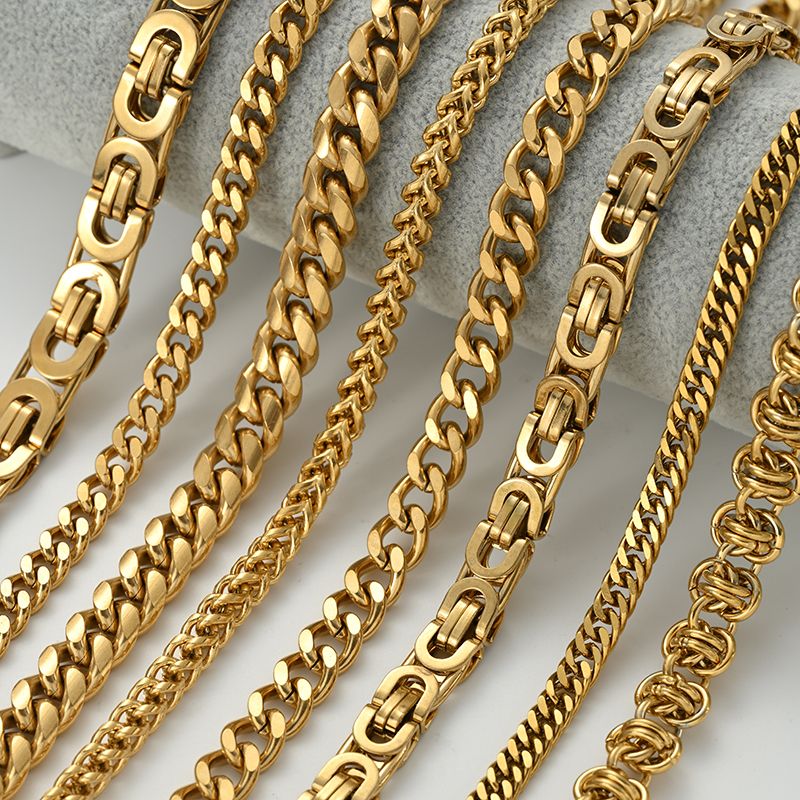
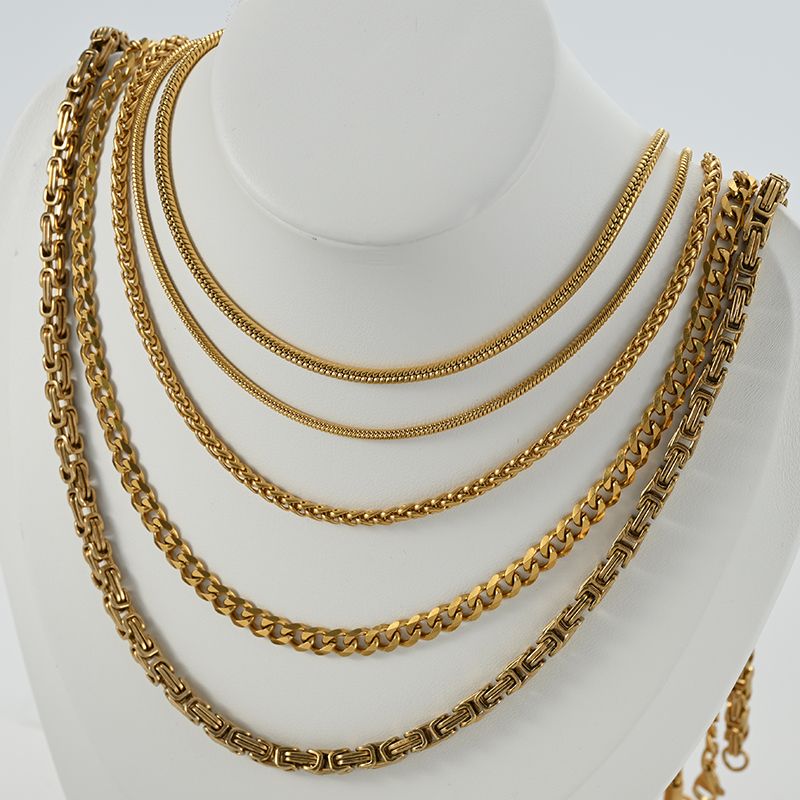
Custom chains play a crucial role in various applications, from fashion accessories to industrial machinery. In the world of B2B procurement, understanding the nuances of custom chains—including their specifications, materials, and manufacturing processes—is essential for purchasing managers, engineers, and product managers alike. This article will guide you through key considerations when selecting custom chains, ensuring you make informed decisions that meet your project requirements effectively.
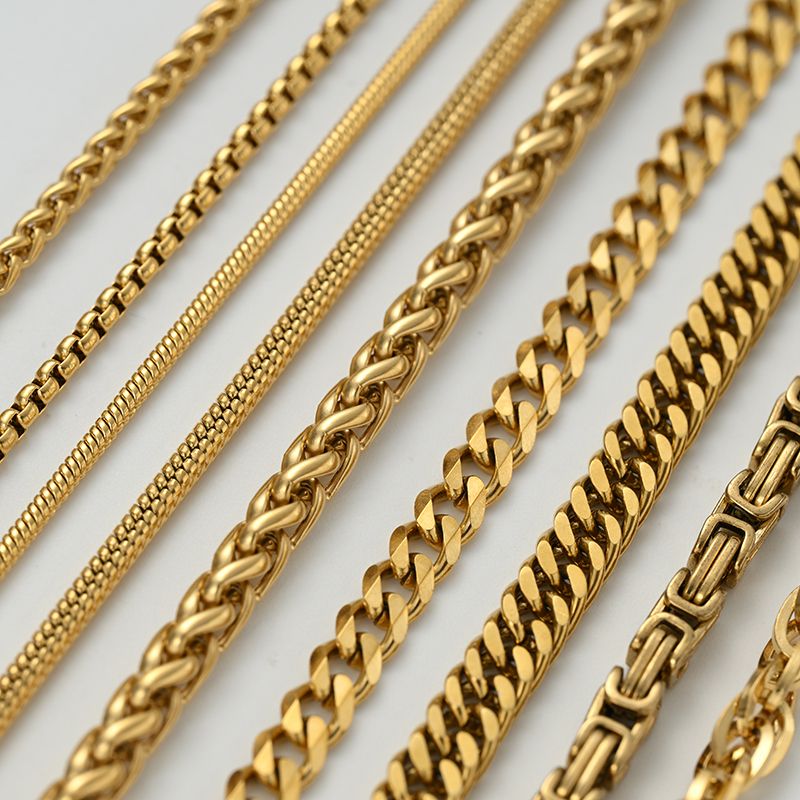
How to Evaluate the Quality of Custom Chains for Wholesale Orders
Quality evaluation is critical, especially for wholesale orders where consistency and reliability are paramount. Here are some key aspects to consider:
Material Verification: Request documentation confirming the material specifications. This should include details about the alloy composition, surface treatment, and any certifications related to material quality.
Manufacturing Process: Understand the production methods used by the manufacturer. Techniques such as forging, casting, or machining can significantly impact the final product's strength and durability.
Sample Approval: Before placing a large order, always request a sample. Assess the sample for dimension accuracy, surface finish, and overall aesthetics. This is crucial as a seemingly minor defect can lead to significant issues in large production runs.
Quality Control Processes: Inquire about the manufacturer’s quality control measures. A reliable supplier should have a robust QA process that includes inspections at various production stages.
Feedback and References: Seek references or reviews from other buyers. This can provide insight into the supplier's reliability, quality standards, and customer service.