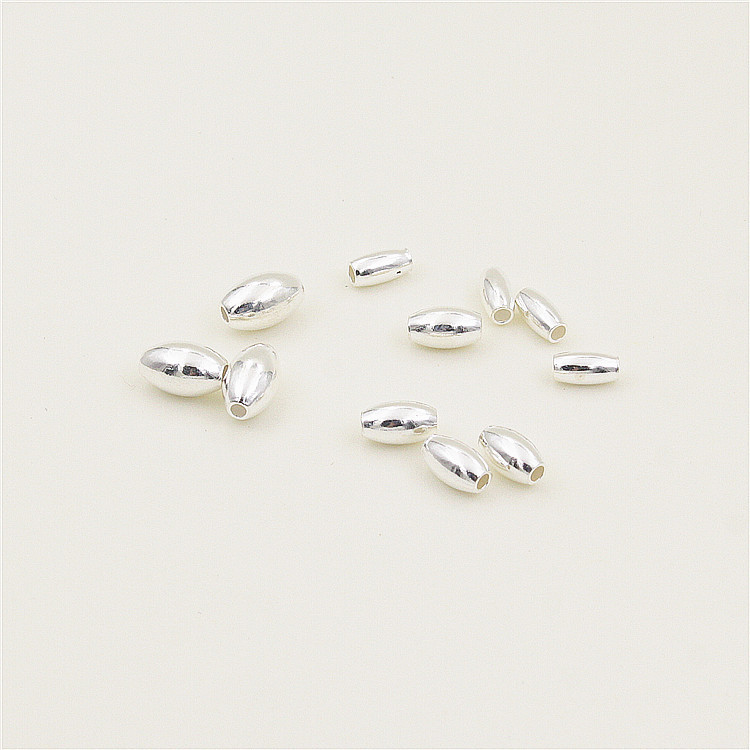
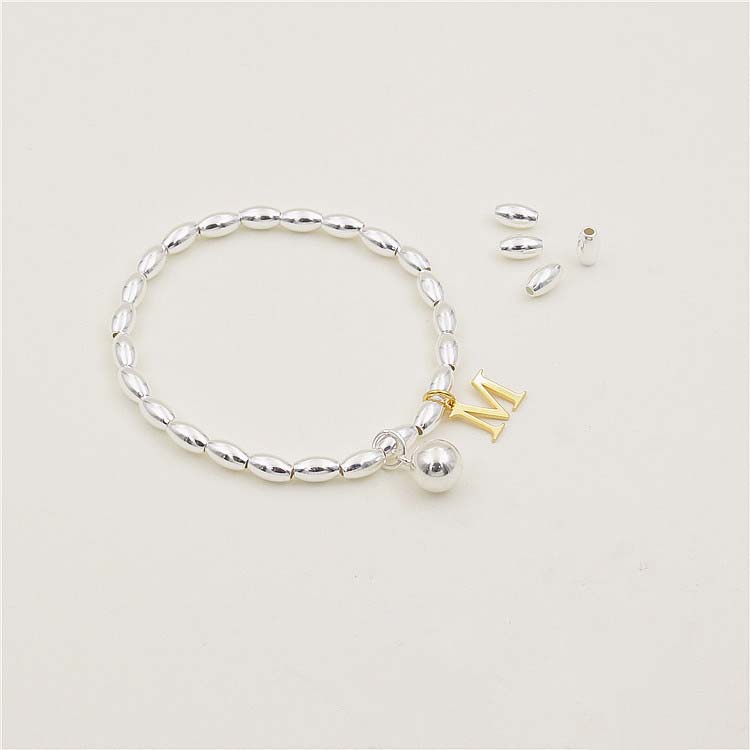
Sterling silver findings are essential components used in various jewelry-making applications, including earrings, bracelets, necklaces, and rings. For B2B buyers such as purchasing managers or product managers, sourcing high-quality sterling silver findings is crucial to ensure the finished products meet both aesthetic and durability standards. This article will guide you through essential considerations when sourcing sterling silver findings wholesale, evaluating their quality, understanding key specifications, cost factors, and common problems encountered in the industry.
How to Evaluate the Quality of Sterling Silver Findings for Your Projects
Quality evaluation of sterling silver findings involves several critical parameters. Start by examining the material composition. Genuine sterling silver consists of 92.5% silver and 7.5% other metals, typically copper, to enhance durability. Request certificates of authenticity or material safety data sheets from your supplier to verify compliance with these specifications.
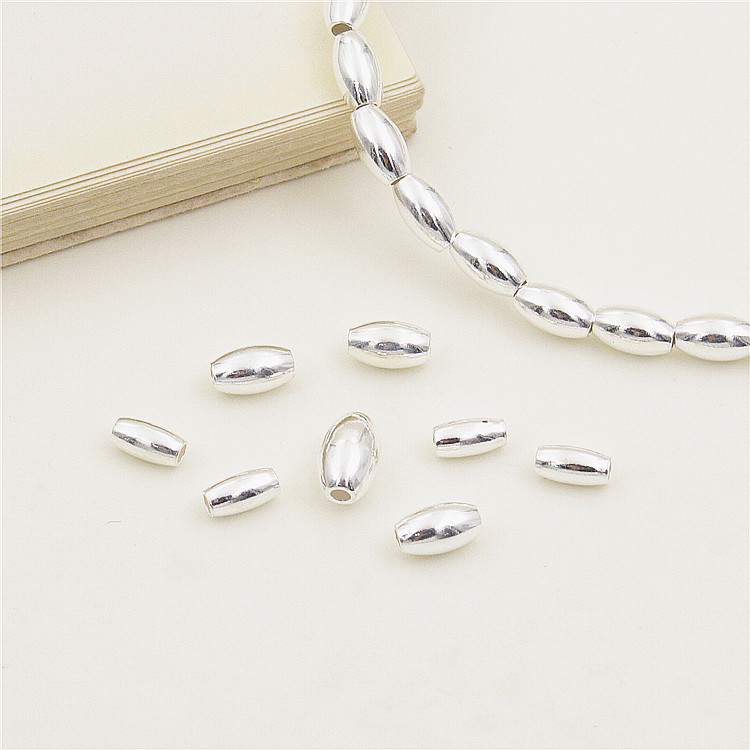
Next, focus on the craftsmanship of the findings. Inspect for uniformity in size and finish, as inconsistencies can affect the assembly process and overall product quality. A well-made finding should have smooth edges, no visible defects, and a polished surface to enhance the final appearance of the jewelry.
Conducting a physical inspection of samples is essential prior to mass production. Ensure that you assess the findings under actual working conditions, which may include evaluating their compatibility with other components such as beads, clasps, and chains. This step helps identify any potential issues that could arise during jewelry assembly and use.