
Stainless steel earring hooks are essential components in the jewelry manufacturing industry, particularly for businesses focusing on quality, durability, and aesthetic appeal. As a B2B buyer, you may have concerns about material specifications, manufacturing processes, and the overall compatibility of these components with your product line. This article aims to provide you with practical insights into selecting the right stainless steel earring hooks, installation guidance, common issues, and the technical advantages of 316 stainless steel, helping you make informed purchasing decisions. Learn more about Earring auxiliary accessories.
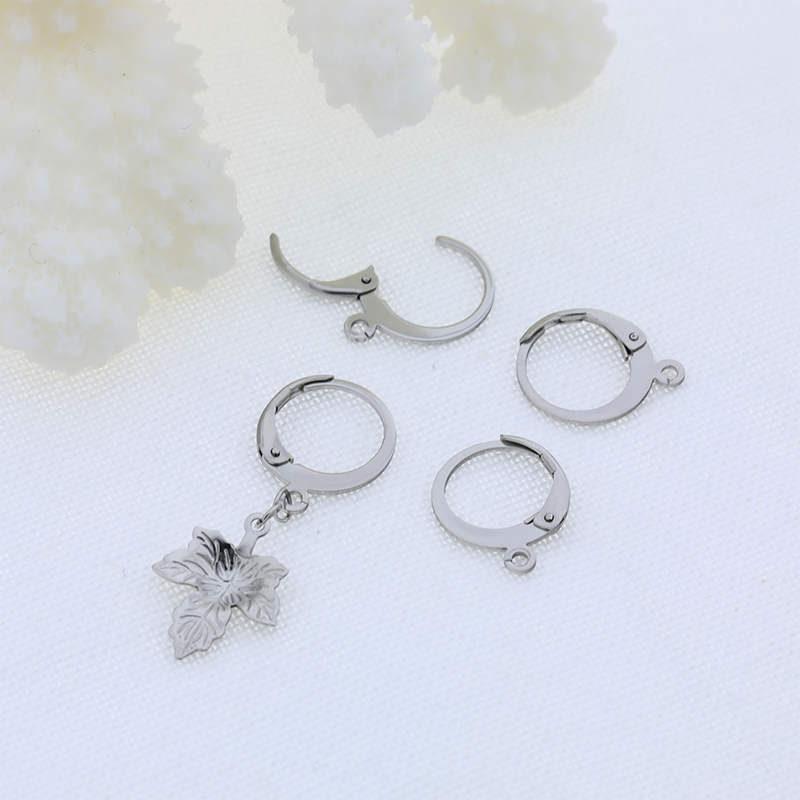
Installation Guidance for Stainless Steel Earring Hooks in Your Projects
Proper installation of stainless steel earring hooks is essential for ensuring product integrity and customer satisfaction. Here’s a step-by-step guide to assist you:
Assess Compatibility: Ensure that the earring hooks are compatible with the other components of your jewelry piece, such as beads or pendants. The hook should align with the design and weight of the overall earring.
Secure Attachment: Use appropriate tools to attach the hook securely. For fishhook styles, gently open the loop and slide the element onto it before closing it properly. Leverbacks require a simple push to attach, but ensure they click into place.
Quality Check: Before mass production, conduct quality checks on samples. Check for smooth edges and ensure that the hooks function correctly without excessive force. A common mistake is overlooking the need for a finished sample approval, which can prevent costly reworks later in production.
Packaging Considerations: Plan for how the final product will be packaged to protect the earring hooks during transit. Using cushioned materials can help prevent bending or breaking.