Get a Free Quote

Our representative will contact you soon.
Email
Mobile
Name
Company Name
Message
0/1000
piercing jewelry-0

Home > 

piercing jewelry

Choosing the right piercing jewelry for  wholesale orders is crucial for  B2B buyers, including purchasing  managers, distributors, and  retailers.  This  article will  explore essential  factors that buyers must consider, including  materials, manufacturing capabilities,  and common challenges.  By understanding these aspects, buyers  can make  informed decisions,  ensuring  the products  meet their  market's needs while  maintaining quality  and  regulatory compliance.
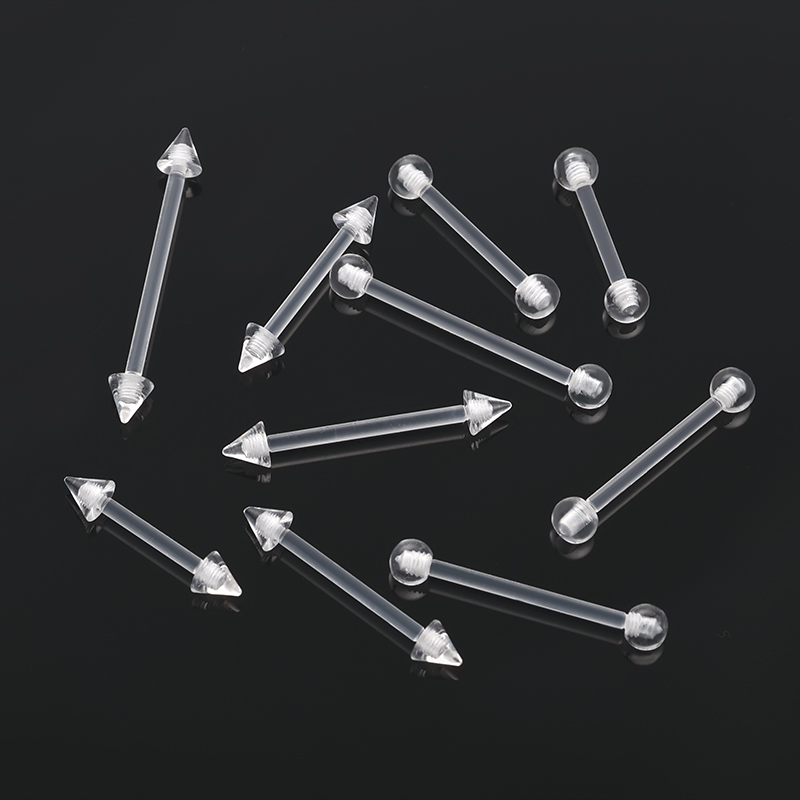
Key Technical Specifications for Quality Piercing Jewelry Products

Key Technical Specifications for Quality Piercing Jewelry Products

Buyers  must consider several technical specifications  when  evaluating piercing jewelry products. These include thickness, dimensions,  and surface treatment.

Thickness:  The thickness of the jewelry affects its durability and comfort. A thicker piece may provide greater strength  but could also be  heavier. Buyers  should  assess the appropriate thickness based on the intended use and  customer preferences.

Dimensions: Correct dimensions are crucial for ensuring  that the  jewelry fits comfortably and  securely. Buyers should verify that the dimensions align with standard sizing or  specific customer requirements. 

Surface Treatment: The surface finish impacts  both the aesthetic and functional  properties of the jewelry. Finishes such as polishing, plating, or  coating can enhance appearance and protect against tarnishing. Buyers  should inquire about the specific surface treatments used and their long-term  performance.
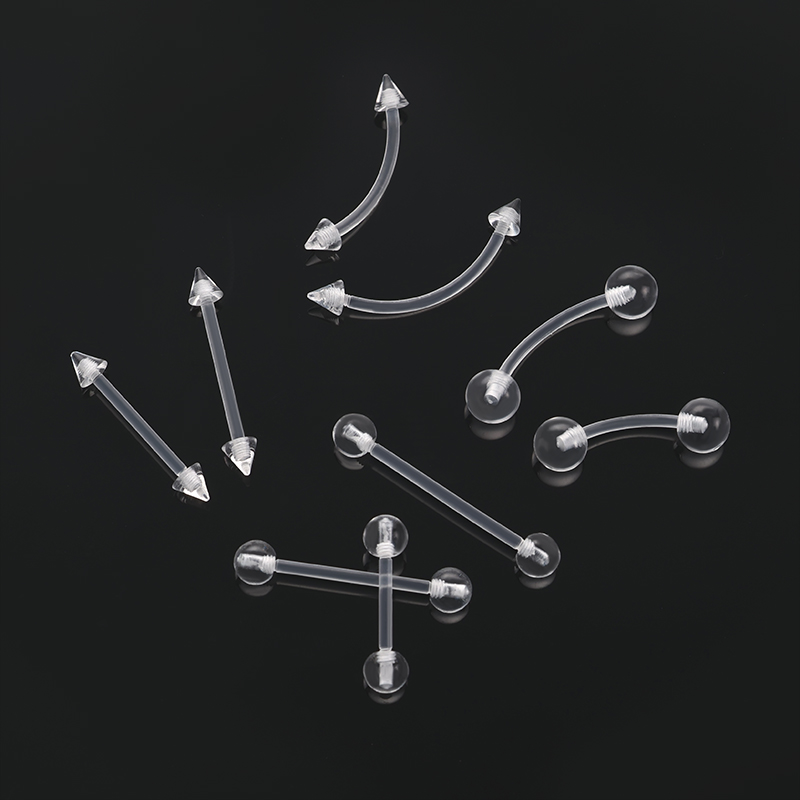
Installation Guidance for Different Types of Piercing Jewelry

Installation Guidance for Different Types of Piercing Jewelry

Different types of  piercing jewelry require varied installation approaches. Understanding these methods can ensure a smooth customer experience.

Studs  and Hoops: For traditional  studs and hoops, the installation is straightforward. Users typically need to  align the post  with the piercing and secure it with  a backing. It's  essential  to provide clear instructions on cleaning and care to  minimize  complications.

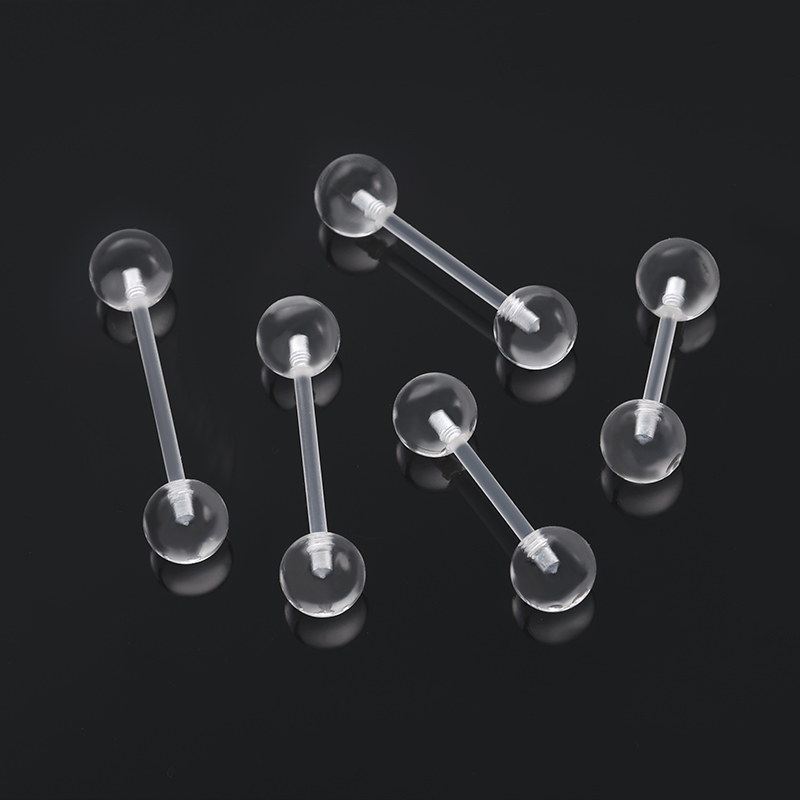
Barbells and  Captive  Bead Rings: Barbells may require a different approach; users must ensure they adequately screw in the balls  to prevent loss. Captive bead rings involve  squeezing the ring to release the bead,  which may require practice  for first-time users. Including detailed installation guides can  enhance customer satisfaction.

Specialty Pieces: For more complex designs, such as industrial  or surface piercings, buyers should ensure that the jewelry is  designed for easy installation without compromising safety. Providing instructional  videos or diagrams can significantly assist end-users.

Piercing Jewelry Options for Importers and Distributors

Piercing Jewelry Options for Importers and Distributors

Importers and distributors have a unique  set of requirements when sourcing piercing jewelry. They often look for reliability in supply, quality assurance, and  product diversity.

Reliable Supply Chains: Partners with a proven track record in reliable supply  chains are essential.  Companies  like Dongguan  Rongsheng Jewelry Co., Ltd., with 17 years of experience and multiple certifications, offer  assurances of consistent quality and timely delivery.

Quality Assurance: Implementing stringent quality  control processes is essential. Importers should  inquire about the  manufacturer’s inspection protocols during production. Regular  quality checks help  minimize defects and ensure that the products meet the expected  standards.

Diversity in Product Offering: Importers should seek suppliers that can provide a diverse catalog of products.  This includes various styles, materials,  and sizes to  cater to different customer  segments. Having the  ability to  offer bespoke options through ODM and  OEM services can also set distributors apart in a competitive market. For instance, options like Gold Plated CZ Pendant Charms – 30+ Designs for DIY Jewelry Making can attract a wider audience.

Common Problems with Piercing Jewelry and Their Effective Solutions

When dealing with piercing  jewelry, several common problems can arise, along with effective solutions to mitigate these issues.

Allergic Reactions: Some customers may experience allergic reactions  to certain metals. To address this, buyers should  ensure that the jewelry is made from hypoallergenic materials, such as 316 stainless steel or  nickel-free brass. Providing clear labeling regarding  materials can help customers make informed choices.

Durability Issues: Jewelry that  wears down quickly  is a common complaint. Buyers  should focus on products that undergo  rigorous quality testing before market  release. Ask  manufacturers about  their quality assurance processes and any tests conducted to ensure durability.

Maintenance and Care: Customers  may not  be aware of how  to care for their piercing jewelry, leading to  tarnishing or damage. Including care instructions with  each purchase can reduce complaints  and enhance customer satisfaction.

In summary, making informed decisions when sourcing piercing jewelry requires an understanding of materials, technical specifications, and potential  challenges. By focusing on quality, compliance, and customer needs, B2B buyers  can establish successful partnerships that benefit their business and end-users alike.

What to Consider When Choosing Piercing Jewelry for Wholesale Orders

When selecting piercing jewelry for wholesale, buyers should focus on several key factors: material quality, design variety, regulatory  compliance, and production capabilities. 

Material Quality: Piercing  jewelry is often made from various materials,  including 316 stainless steel, eco-friendly brass, resin, and silicone. Each material has  distinct  properties affecting durability,  wearability, and hypoallergenic qualities. For example, 316 stainless steel is known for its corrosion resistance and strength, making  it a popular choice for body jewelry. Buyers may also explore options such as Copper Waterdrop Earring Clip – Hinged Converter for Non-Pierced Ears for added versatility.


Design Variety: To appeal to  a broader customer  base, it's essential to offer  a range of designs, from classic studs  and hoops to more intricate pieces. Buyers should inquire about  the manufacturer’s ability to provide customization options, such as unique designs or specific colors, to cater to market  trends.

Regulatory Compliance: Ensuring that the jewelry complies with safety and health regulations, such as ISO9001, CE, REACH,  and RoHS certifications, is vital. These certifications guarantee that the products meet safety standards and are free from harmful substances.

Production Capabilities: Understanding the manufacturer’s  production capabilities is essential. Buyers should assess lead times, minimum order quantities  (MOQs), and the ability to handle large orders consistently. A  manufacturer with a self-operated factory, like Dongguan Rongsheng Jewelry Co., Ltd., often has  more control over quality and delivery schedules.

Frequently Asked Questions

What materials are used in your piercing jewelry?

We use 316 stainless steel, eco-friendly brass, resin, and silicone for durable, hypoallergenic piercing jewelry.
Yes. Many items use 316 stainless steel and are tested to meet RoHS and REACH standards for safety and low allergenicity.
Yes. We offer flexible ODM and OEM services with in-house design, sampling, and production to match your specifications.
Our factory holds ISO9001 quality management and complies with CE, REACH, and RoHS standards for materials and production.
We provide fast sampling and quick delivery; exact lead times depend on order size and customization—contact us for a specific timeline.

Get a Free Quote

Our representative will contact you soon.
Email
Mobile
Name
Company Name
Message
0/1000

Related product categories