Get a Free Quote

Our representative will contact you soon.
Email
Mobile
Name
Company Name
Message
0/1000
piercing earrings-0

Home > 

piercing earrings

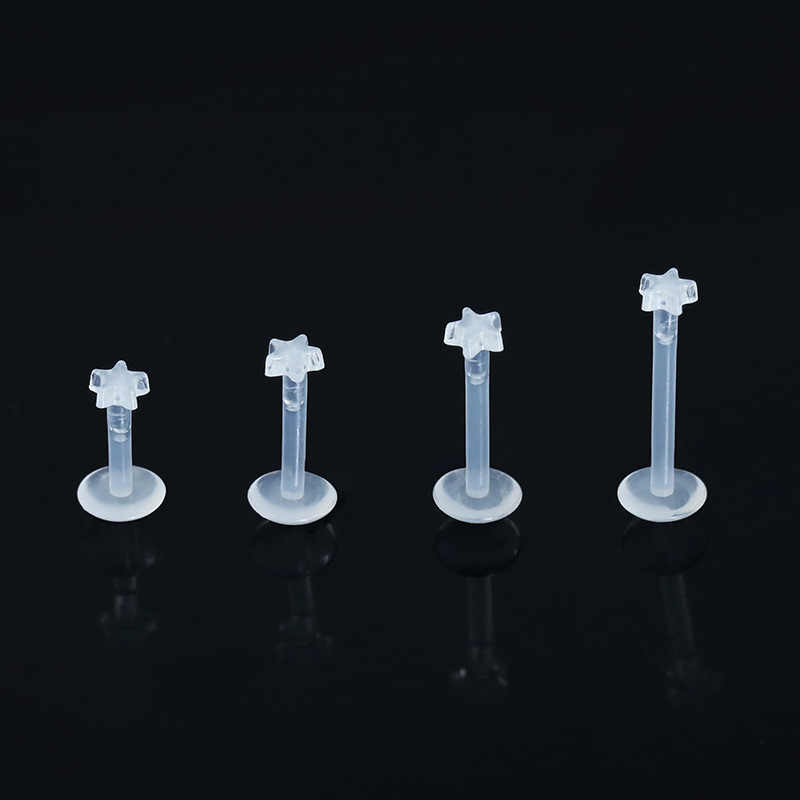
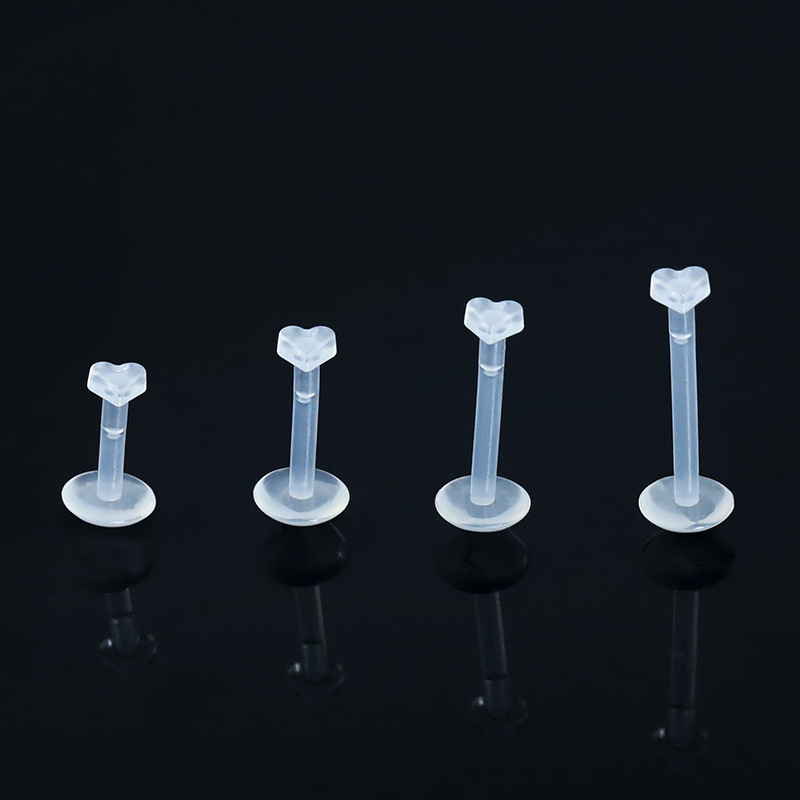
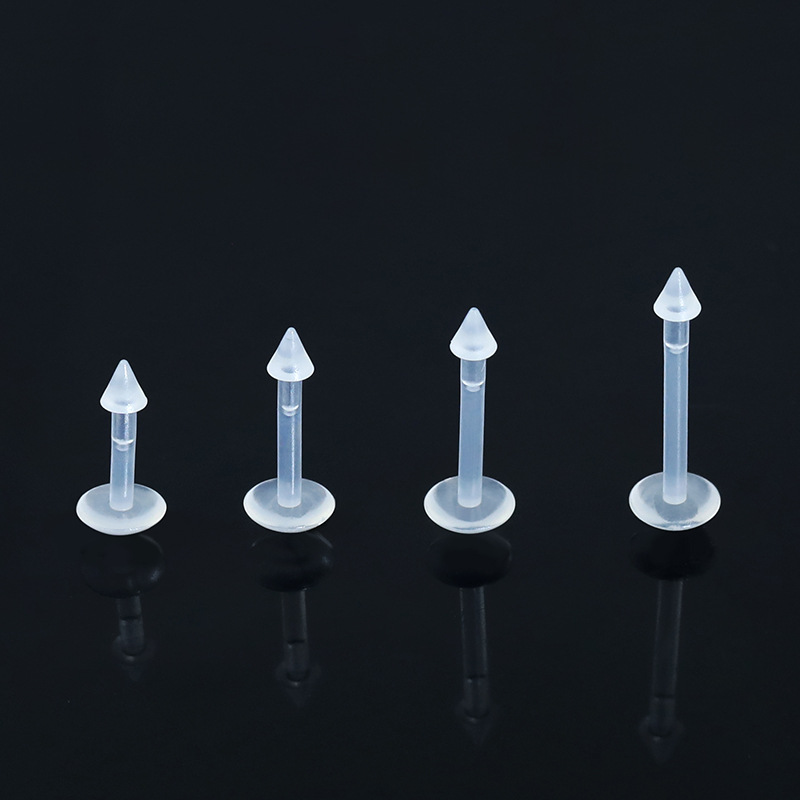
Piercing earrings are a popular  choice  in the jewelry market, appealing to  a wide  range of  customers from fashion enthusiasts  to those seeking unique accessories.  For B2B buyers such as distributors and purchasing managers,  understanding the nuances  of piercing earrings—particularly the materials  used, manufacturing processes, and quality control measures—is  essential for  making  informed  purchasing decisions. This article will  provide  insights into these aspects, guiding you to evaluate piercing earrings effectively for  your  business  needs. If you are looking for options, consider exploring Body-piercing Jewelry for a variety of styles.
 
Best Practices and Tips

Best Practices and Tips

When purchasing piercing earrings, there  are several best practices to follow  to ensure quality and  customer satisfaction:


Request Samples: Before placing a bulk order, request samples to  inspect the  quality, finish, and  comfort of the earrings. This  step can help identify any potential issues with size, design,  or material.

Check Certifications:  Ensure  that  the manufacturer has relevant certifications, such as ISO9001 and RoHS. These certifications indicate adherence to quality management systems and compliance  with safety standards.

Evaluate Customization Options: If you have specific design requirements, confirm the manufacturer’s capabilities for customization. Dongguan Rongsheng Jewelry Co.,  Ltd, for example, offers flexible ODM and OEM services that allow buyers to  tailor products to their needs.

Understand  Packaging and Shipping: Discuss packaging options and shipping logistics upfront. Proper packaging can prevent damage during transit and ensure that products  arrive in excellent condition.

Inspect Quality Control  Processes: Inquire about  the manufacturer’s quality control measures. A robust quality assurance process is crucial for maintaining  consistency and reliability in production.
Cost Factors to Evaluate When Buying Piercing Earrings Wholesale

Cost Factors to Evaluate When Buying Piercing Earrings Wholesale

Understanding the cost structure is vital  for making  informed purchasing decisions. Several key factors influence the pricing of piercing earrings:

Material Costs: The choice  of material directly  affects the base price. For instance, 316 stainless steel typically costs more than eco-friendly brass due to its superior properties.

Production Volume: Larger orders often benefit from volume discounts. However, consider  the  minimum order quantity (MOQ)  set by  the manufacturer, as this can  impact your purchasing strategy.


Customization Requirements: Custom designs or unique specifications may increase production costs. Be  clear about your design needs when requesting quotes.

Lead Time:  The time required to produce and deliver the earrings can also affect pricing. Rush  orders  may  incur additional fees, so it’s advisable to discuss timelines during the initial stages of your procurement process.


Shipping Costs: Factor in shipping expenses, which can vary based on the delivery location  and weight of the products.

By evaluating these cost factors, buyers can make more  strategic decisions that align with  their  budget and profitability goals.

Understanding Quality Control in Piercing Earrings Manufacturing

Understanding Quality Control in Piercing Earrings Manufacturing

Quality control is a critical component of the manufacturing  process for piercing earrings. Effective quality control ensures that products meet the required standards and specifications. Here are key aspects to consider:

Material Inspection: Before production begins, it’s essential to inspect the raw materials for consistency and quality. This step  can help prevent issues during  the manufacturing process and ensure that the final product meets customer expectations.

Production Process Monitoring: Throughout the manufacturing  process, monitoring is crucial. This includes checking dimensions, finishes, and assembly processes to ensure that  each earring adheres  to predefined specifications.

Final Product Testing: Before shipping, conduct  thorough testing on  a sample of the finished earrings. This  can include checking for durability, wearability, and  overall appearance. Identifying any defects  at this stage  can save time  and resources down the line.

Documentation and Traceability: A reliable quality management system should include comprehensive documentation of production batches and inspection results. This traceability  can be  invaluable in identifying and resolving  any potential issues.


By ensuring robust quality  control  measures, manufacturers  can build trust with their distributors and end customers, leading to repeat business and improved brand reputation.

Expert Insights on Sourcing Piercing Earrings for Your Projects

Sourcing piercing earrings effectively involves a strategic approach. Here are some expert insights to enhance your  sourcing process:

Identify Target Markets: Understand the  demographics and preferences of your target customers. This knowledge will guide your selection of  materials, designs, and pricing strategies.

Leverage Manufacturer Expertise: Engage with manufacturers who have extensive experience in the  jewelry  industry, such as Dongguan Rongsheng Jewelry  Co., Ltd. Their insights into trends and customer preferences can assist you in making informed decisions.

Assess Market Trends: Stay updated with  current fashion trends and consumer preferences. This information can  help you select piercing earrings that resonate with your audience and  enhance your  offering.

Build Relationships with Suppliers: Establishing strong, long-term relationships with reliable manufacturers can lead to better pricing, quality assurance, and collaboration  on new designs.

Prepare for Communication: When reaching out to suppliers, be prepared with specific details  about your needs,  including quantities,  material preferences, and any customization requests.  Clear communication will streamline  the quotation and ordering process.

By following these insights, buyers can navigate the sourcing landscape  more effectively and secure high-quality piercing earrings  that  meet  their business objectives.

Comparing Material Advantages in Piercing Earrings for Distributors

When sourcing piercing earrings, the choice of material  significantly impacts the product's quality, durability, and marketability. The most common materials for piercing  earrings  include 316 stainless  steel, eco-friendly brass, resin, and silicone.

316 Stainless Steel:  Known for  its corrosion resistance and hypoallergenic properties, 316 stainless steel is ideal for individuals with sensitive skin. It is durable  and can withstand everyday wear, making it a popular choice for mass-market earrings.

Eco-Friendly Brass: Brass offers an attractive gold-like appearance at a  lower cost. However, it can tarnish over time,  which  may require customers to consider  regular maintenance.  Eco-friendly brass options are gaining traction, appealing to environmentally conscious consumers. Additionally, consider complementary items such as Jewelry Accessories to enhance your offerings.

Resin: This material allows for vibrant colors and unique designs, making it attractive for fashion-forward earrings. However, resin earrings may not be as durable as metal counterparts and may not hold up well in harsh environments. 


Silicone: Ideal  for those with metal allergies, silicone earrings are flexible and comfortable.  They are often used in children's earrings and can be  produced in various colors and styles.


Understanding these material properties allows distributors to align  their  product offerings  with customer preferences and market trends.

Frequently Asked Questions

What materials are used for your piercing earrings?

We use 316 stainless steel, eco-friendly brass, resin and silicone. Materials are chosen for durability, hypoallergenic properties and corrosion resistance.
Many styles use 316 stainless steel and silicone which are hypoallergenic. We also offer options tested for biocompatibility; check specific product details for confirmation.
Yes. Our self-operated factory offers flexible ODM and OEM services, with full in-house production to support custom designs, logos and packaging.
We hold ISO9001, CE, REACH and RoHS certifications and maintain in-house quality control across production with advanced equipment and over 30 patents.
We offer fast sampling and quick delivery. Exact lead times depend on order size and customization; contact us with requirements for a precise timeline.

Get a Free Quote

Our representative will contact you soon.
Email
Mobile
Name
Company Name
Message
0/1000

Related product categories