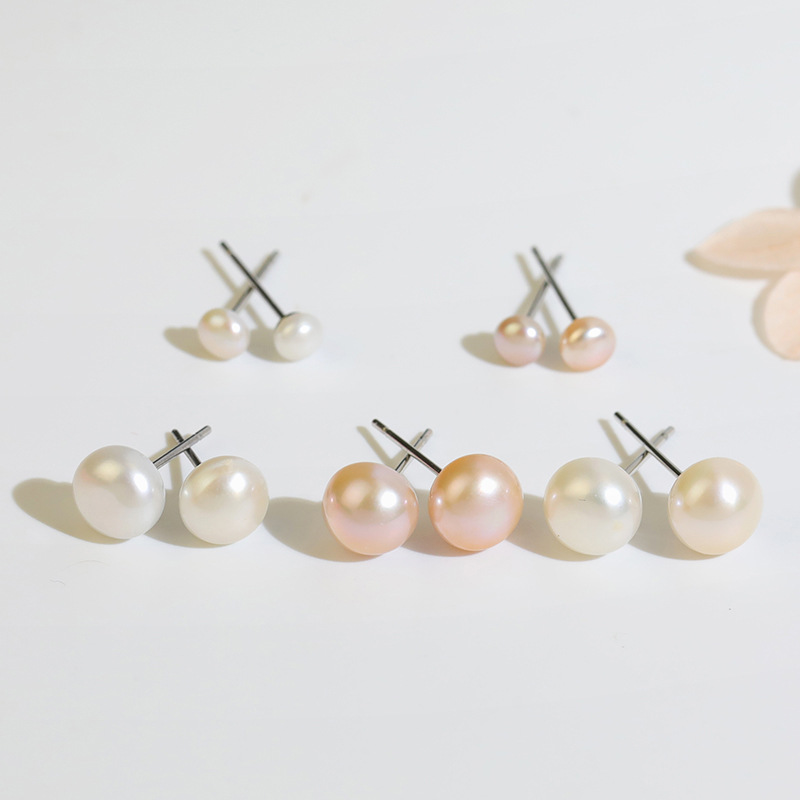
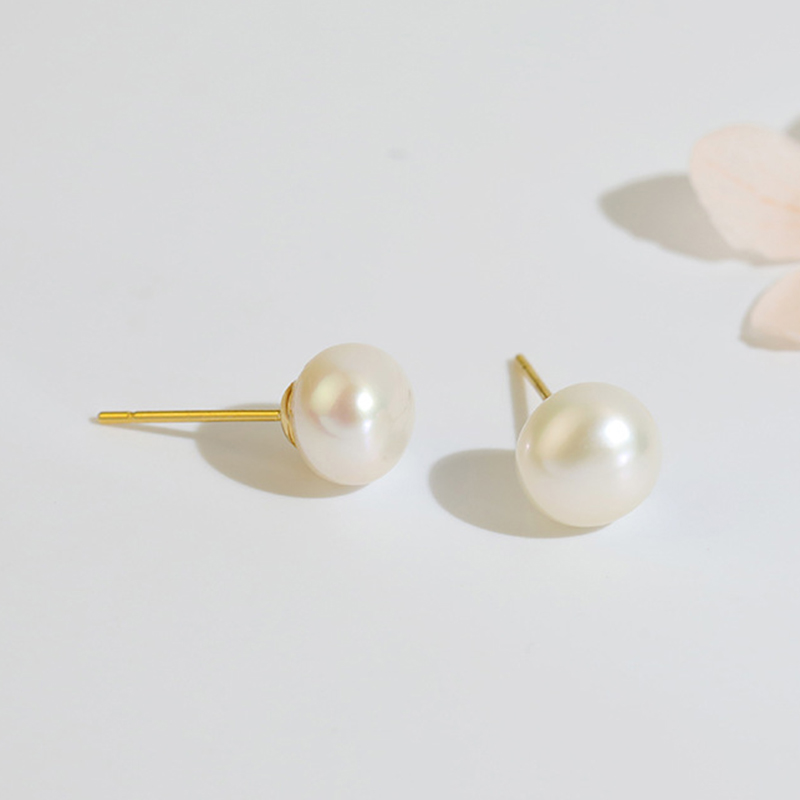
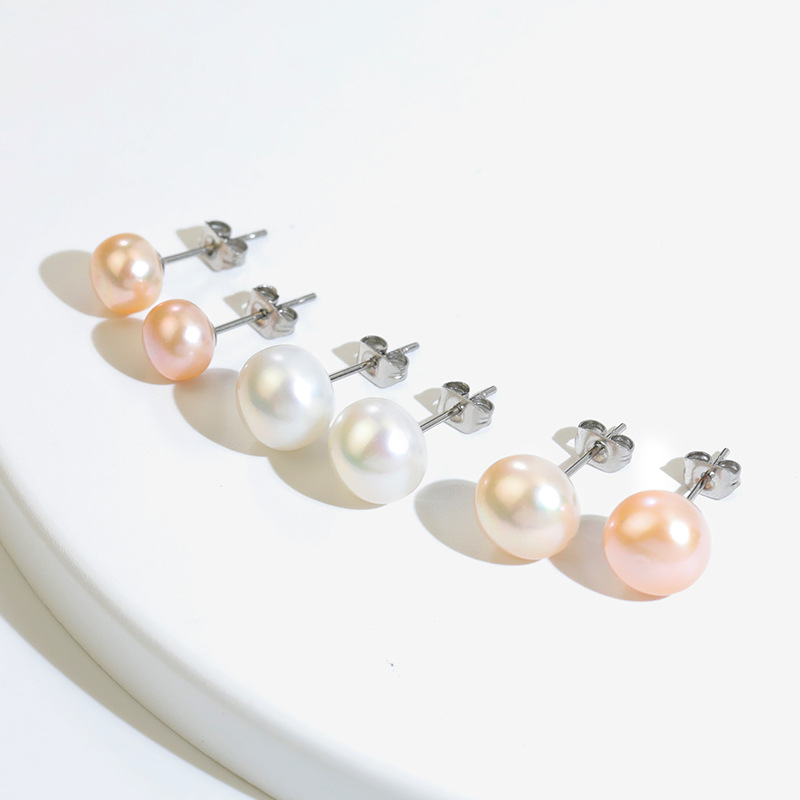
Freshwater pearl earrings are a timeless accessory that combines elegance with versatility, making them a popular choice for a variety of markets. For B2B buyers, including purchasing managers and distributors, understanding the quality, specifications, and sourcing of these earrings is crucial. This article will cover essential aspects of freshwater pearl earrings, focusing on key specifications, evaluation criteria for bulk orders, installation guidance for retail displays, supplier sourcing, and their applications across different market segments.
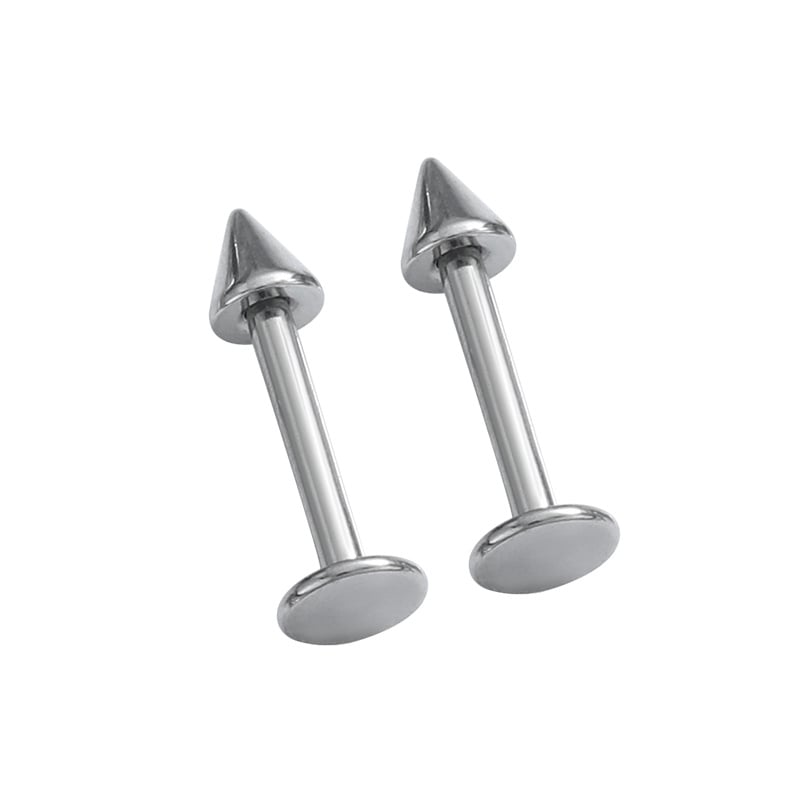
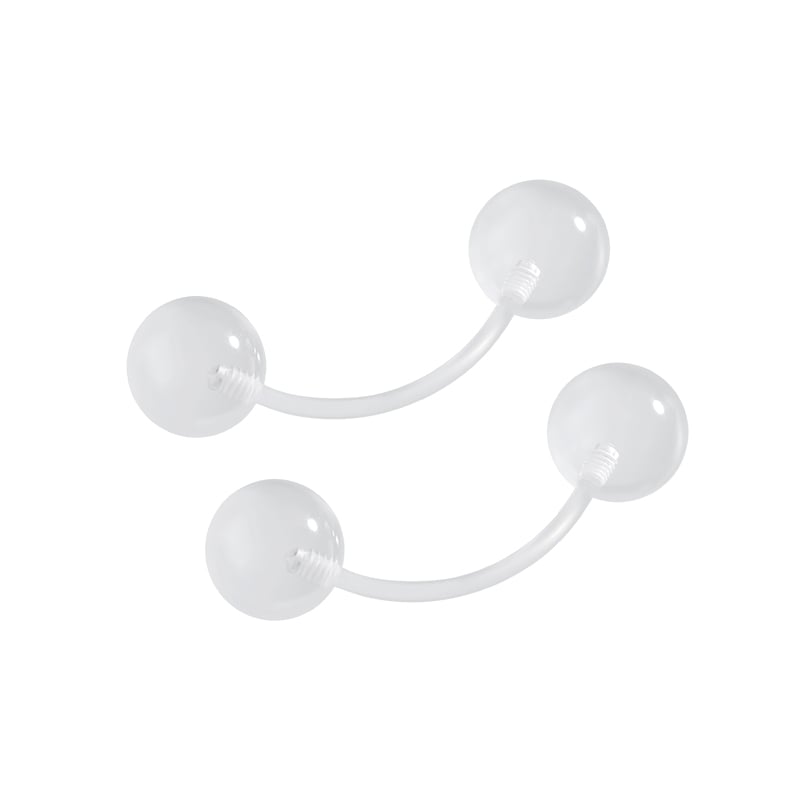
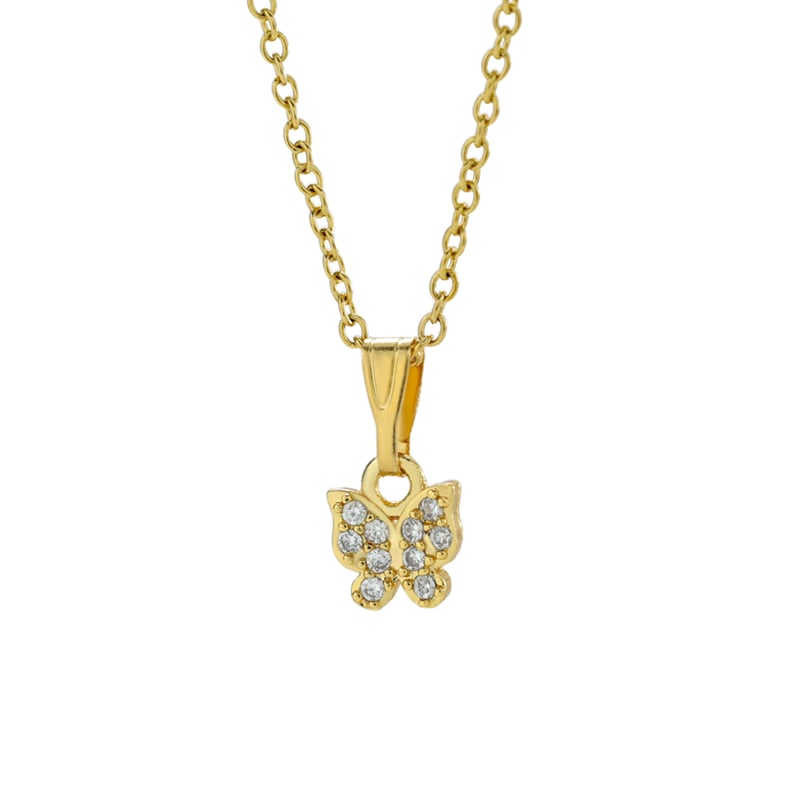
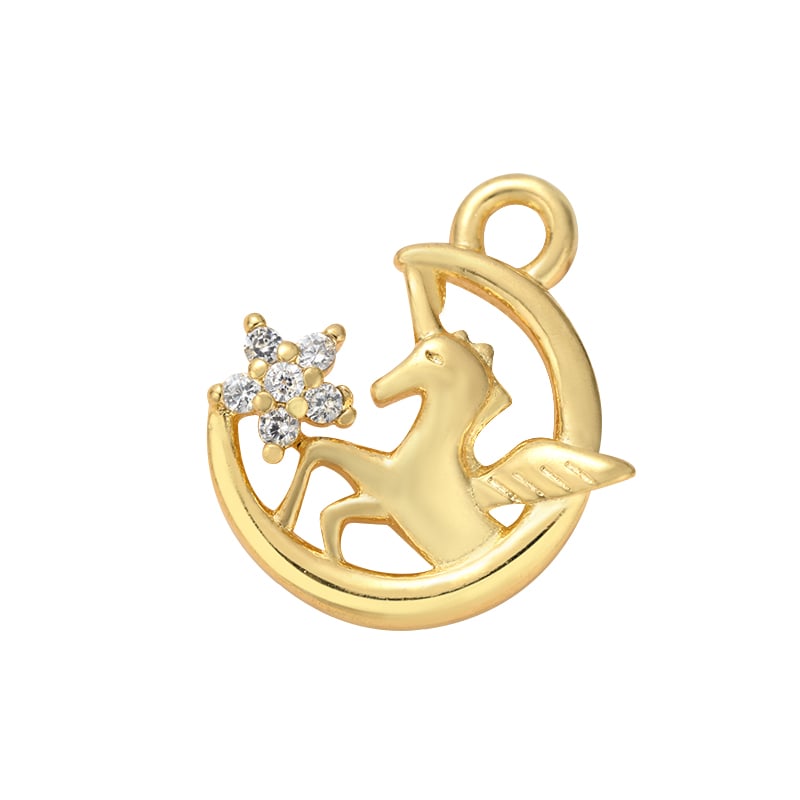
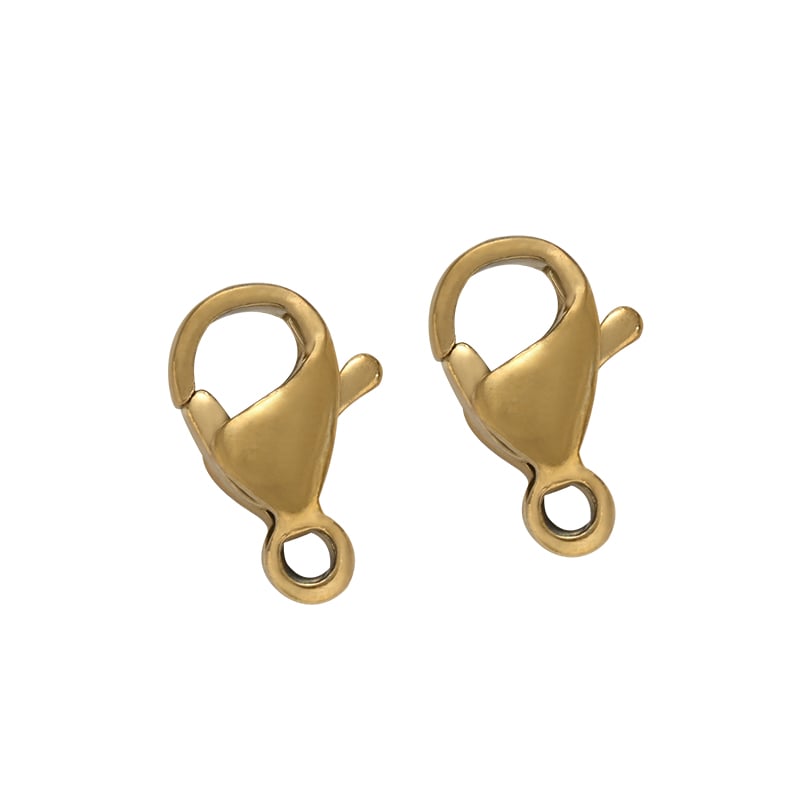
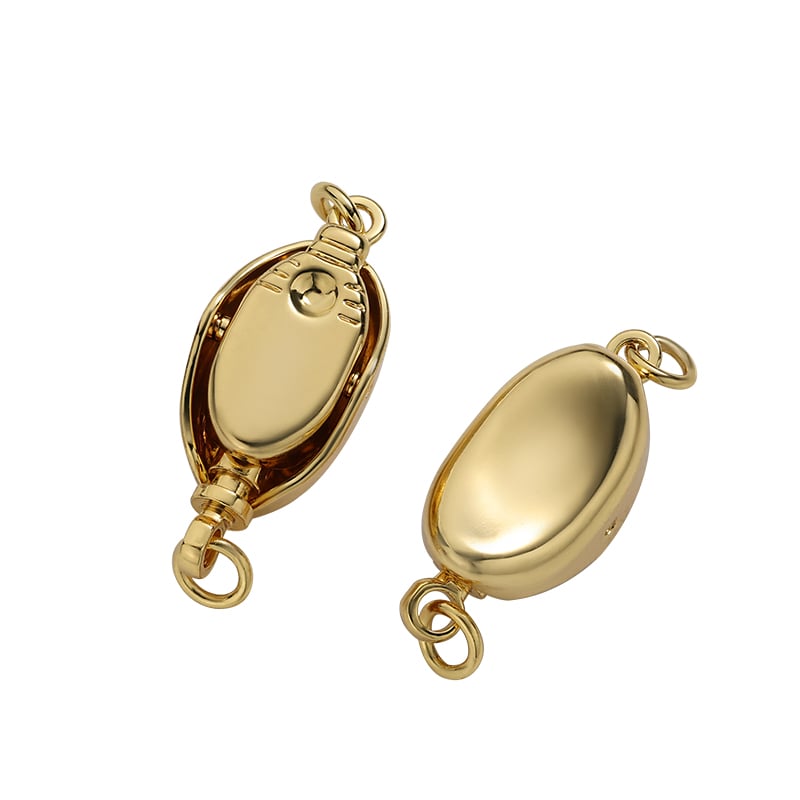
How to Evaluate the Quality of Freshwater Pearl Earrings for Bulk Orders
Evaluating the quality of freshwater pearl earrings, especially for bulk orders, requires a systematic approach. Here are some critical considerations:
Sample Inspection: Before committing to a bulk order, it is advisable to request samples. Inspect these samples thoroughly for the specifications mentioned above—size, shape, luster, and surface quality. This step is crucial in ensuring that the products meet your quality standards.
Quality Control Procedures: Verify the supplier's quality control processes. A reliable manufacturer, such as Dongguan Rongsheng Jewelry Co., Ltd, will have established procedures to ensure consistent quality across their products. Look for certifications such as ISO9001, which indicates adherence to quality management standards.
Customization Options: Depending on your market needs, consider whether the supplier offers customization options, such as different metal finishes or pearl sizes. This can greatly enhance your product line and cater to specific customer preferences, including unique Jewelry Accessories.
Lead Time and Production Capacity: Understand the supplier's lead time for bulk orders and their production capacity. This is especially important if you have tight deadlines or require a large quantity of earrings.
Pricing Structure: Evaluate the pricing structure based on order volume. Often, larger orders may qualify for discounts, but ensure that this does not compromise the quality of the product.
By following these evaluation criteria, buyers can make informed decisions that align with their business needs.