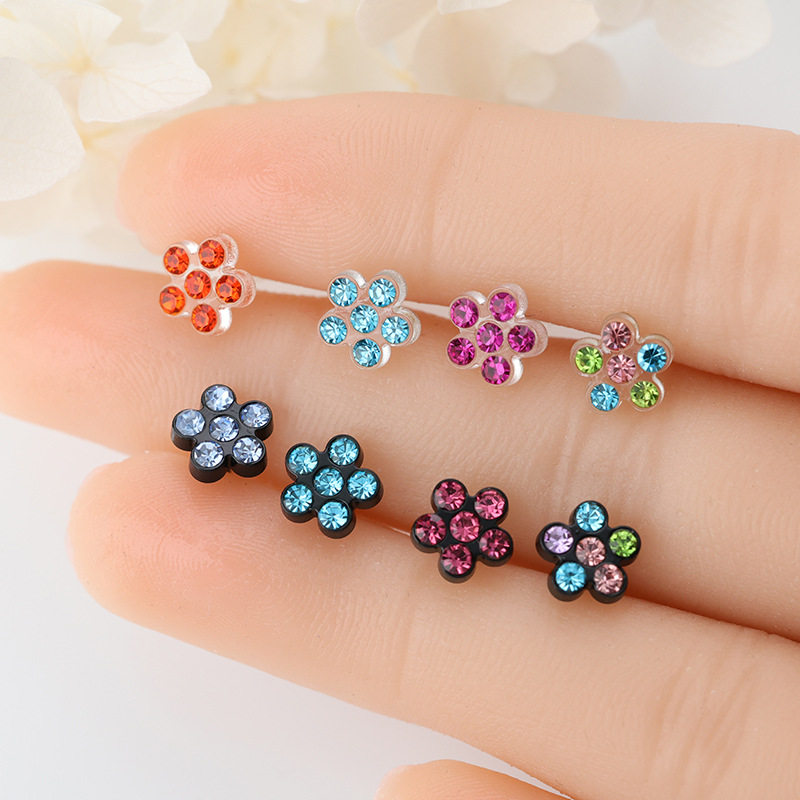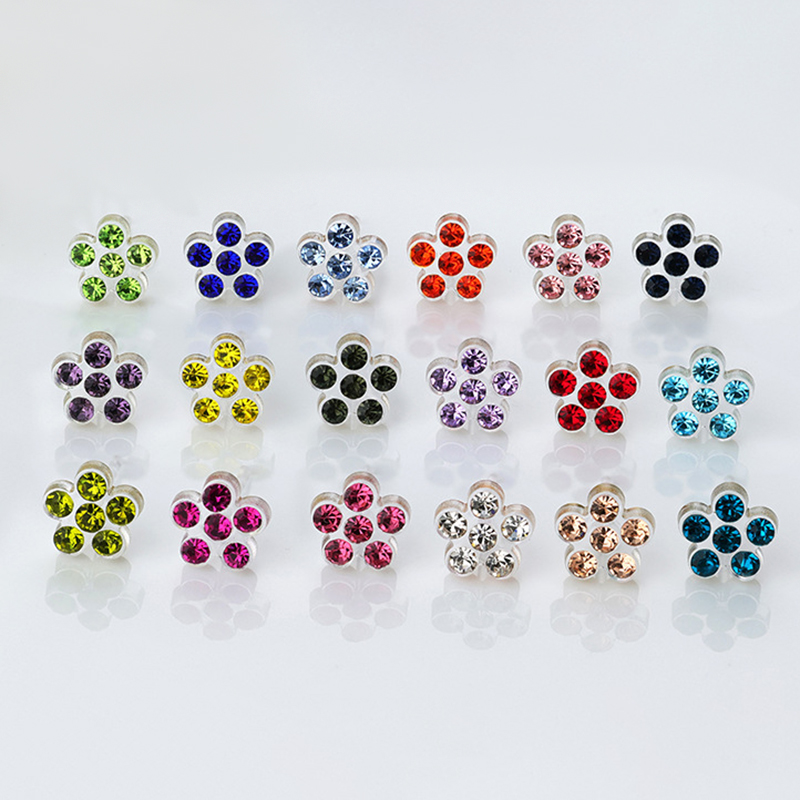
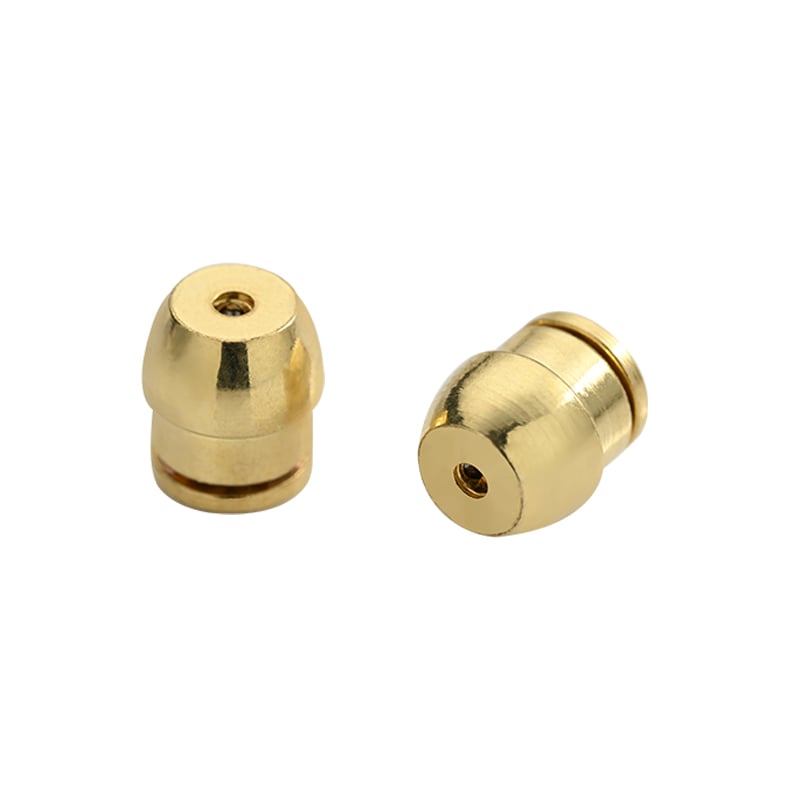
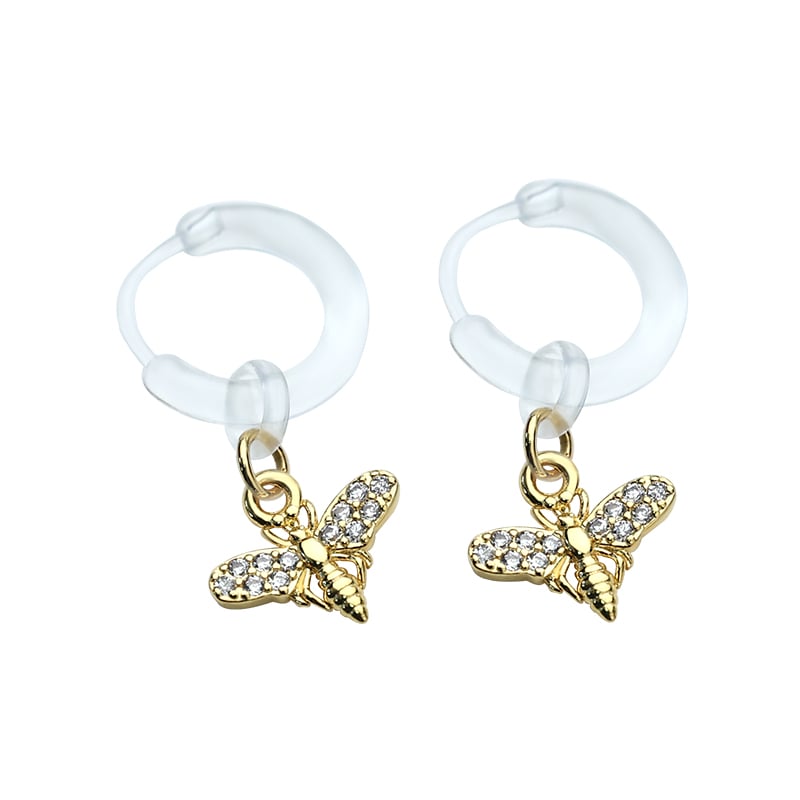
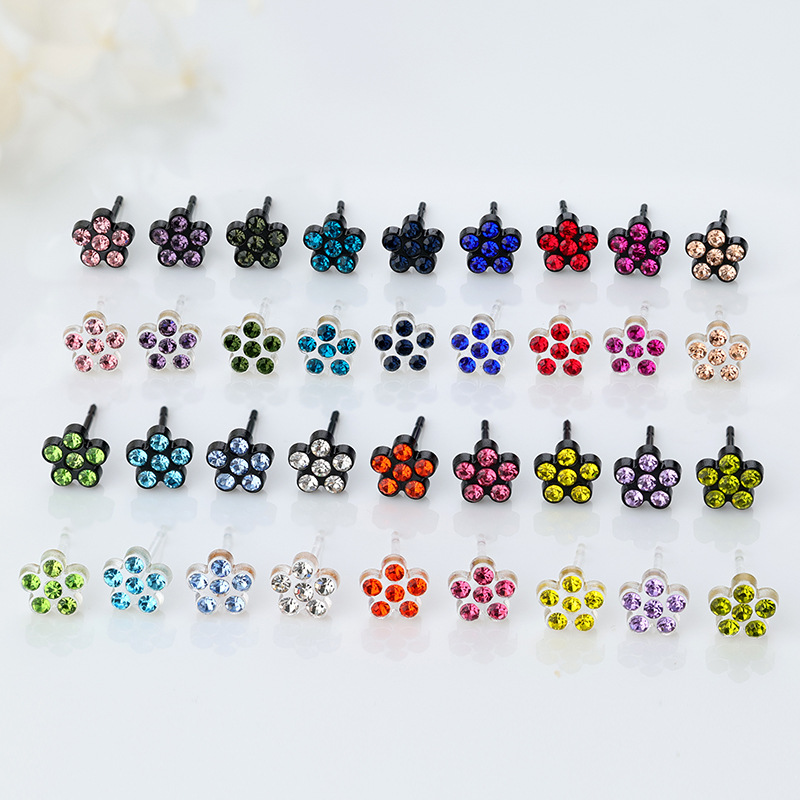
إن فهم الفروق الدقيقة المتعلقة بالأقراط المثبتة بالجملة أمرٌ ضروريٌّ لمُشتري الشركات مثل مدراء المشتريات والموزعين ومدراء المنتجات. وهذه وسادات راحة للأقراط ذات الإغلاق بالقرص وَتُعْتَبَرُ أَقْرَاطُ الْكُلِّيَةِ، وَالَّتِي تَتَمَيَّزُ عَادَةً بِتَصْمِيمِهَا الْبَسِيطِ وَاسْتِعْمَالَاتِهَا الْمُتَعَدِّدَةِ، مَوْضُوعًا لِعَدَّةِ مَشَاغِلٍ تَتَعَلَّقُ بِجَوْدَةِ الْمَوَادِّ وَالْأَسْعَارِ وَثِقَةِ الْمُوَرِّدِينَ. وَسَيَتَنَاوَلُ هَذَا الْمَقَالُ عَوَامِلَ التَّكْلِفَةِ الْمُرْتَبِطَةِ بِأَقْرَاطِ الْكُلِّيَةِ، وَالْمُشَاكِلِ الشَّائِعَةِ فِي مَرْحِلَةِ التَّوْرِيدِ، وَأَفْضَلِ الْمُمَارَسَاتِ لِلْمُشْتَرِينَ، وَالْمَجَالَاتِ الْمُتَعَدِّدَةِ لِاسْتِعْمَالِهَا فِي الْمَجَالَاتِ الصِّنَاعِيَّةِ، وَكَيْفِيَّةِ تَقْيِيمِ ثِقَةِ الْمُوَرِّدِينَ بِكَفَاءَةٍ.
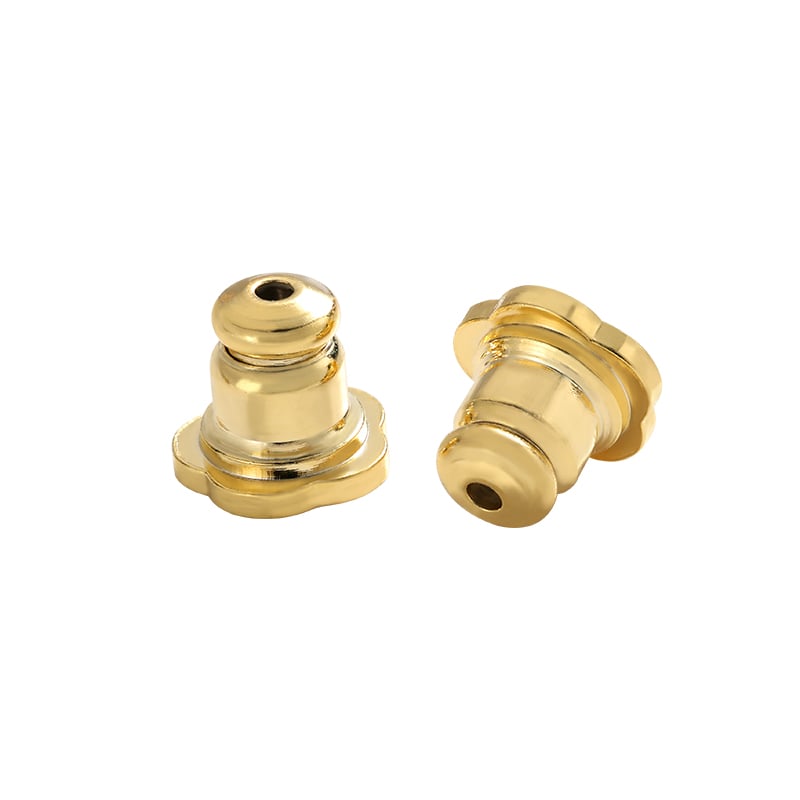
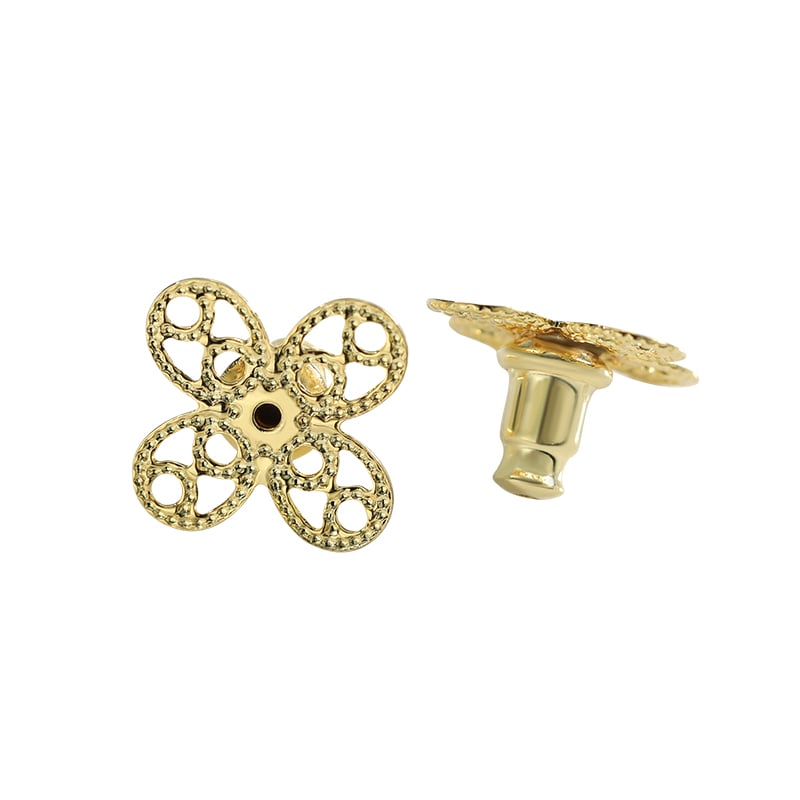
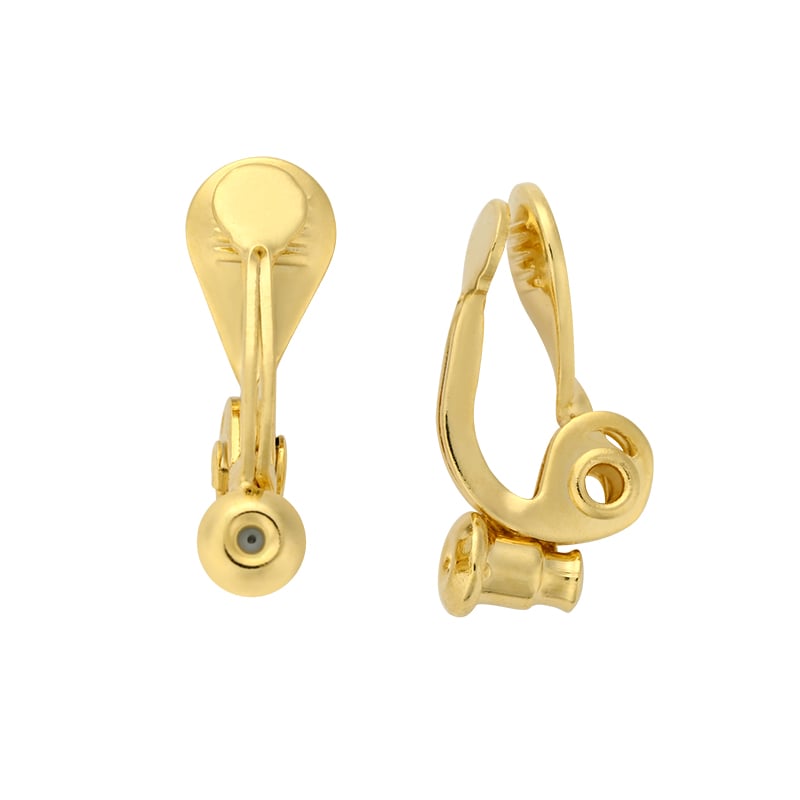
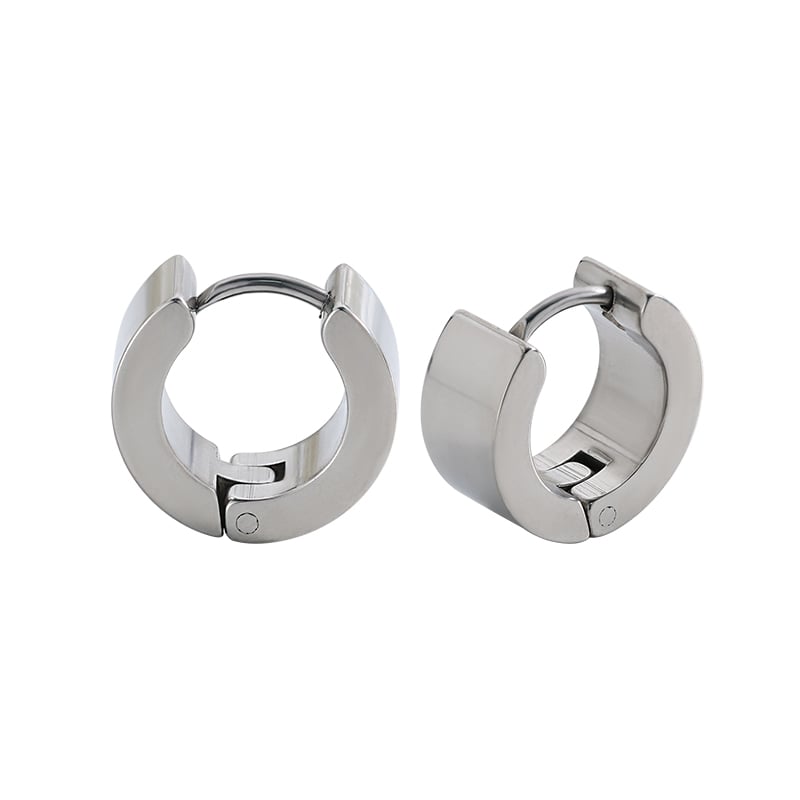
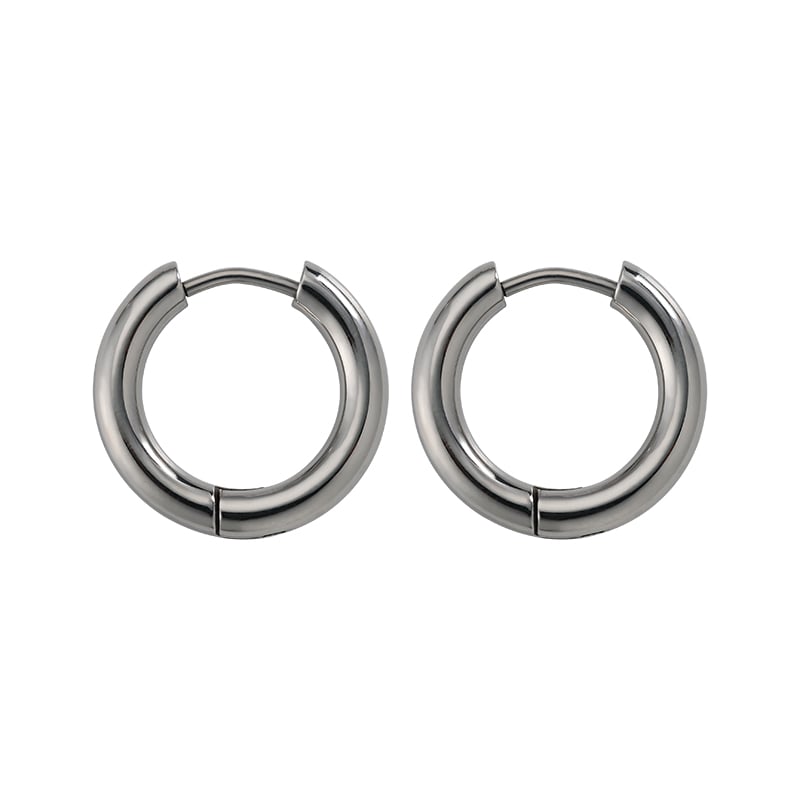
المشاكل الشائعة مع الأقراط المثبتة والحلول الفعالة لها
غالبًا ما يواجه المشترون مشاكل شائعة مع أقراط الدبابيس، مما قد يؤثر سلبًا على رضا العملاء ومعدلات الإرجاع. ومن بين هذه المشكلات:
الحساسية للمواد قد يعاني بعض العملاء من تفاعلات تحسسية تجاه معادن معينة. ولتقليل هذا الخطر، يُوصى بالحصول على مواد خالية من مسببات الحساسية مثل الفولاذ المقاوم للصدأ من النوع ٣١٦. كما أن التواصل الواضح مع المورِّدين بشأن مواصفات المواد يضمن تلبية احتياجات العملاء.
مشاكل المتانة قد تتعرض الأقراط للتآكل أو التلف، لا سيما إذا كانت مصنوعة من مواد ناعمة نسبيًّا. ومن الضروري التحقق من درجة صلادة المواد ومقاومتها أثناء فحوصات الجودة. كما أن طلب عينات أداء قبل الإنتاج الضخم يمكن أن يساعد في تقييم مدى متانتها.
عيوب التصميم يمكن أن تؤدي التصاميم المنفَّذة بشكل رديء إلى شعور بعدم الراحة أو مشكلات جمالية. ومن المهم جدًّا إجراء عملية اعتماد نماذج شاملة تتضمَّن تقييم مدى ملاءمة المنتج ونهايته النهائية قبل الموافقة على الإنتاج الضخم.
جودة غير متسقة قد تظهر تفاوتات في الجودة بسبب اختلاف دفعات الإنتاج. ويمكن أن يساعد تنفيذ عملية صارمة لمراقبة الجودة، تتضمَّن فحوصاتٍ دورية واختباراتٍ منتظمة، في الحفاظ على الاتساق. كما يمكن أن تُعتبر الشهادات مثل ISO9001 مؤشراتٍ على التزام المورِّد بالجودة.